Injured Your Lower Back? Here's What Happens Next
July 31, 2026
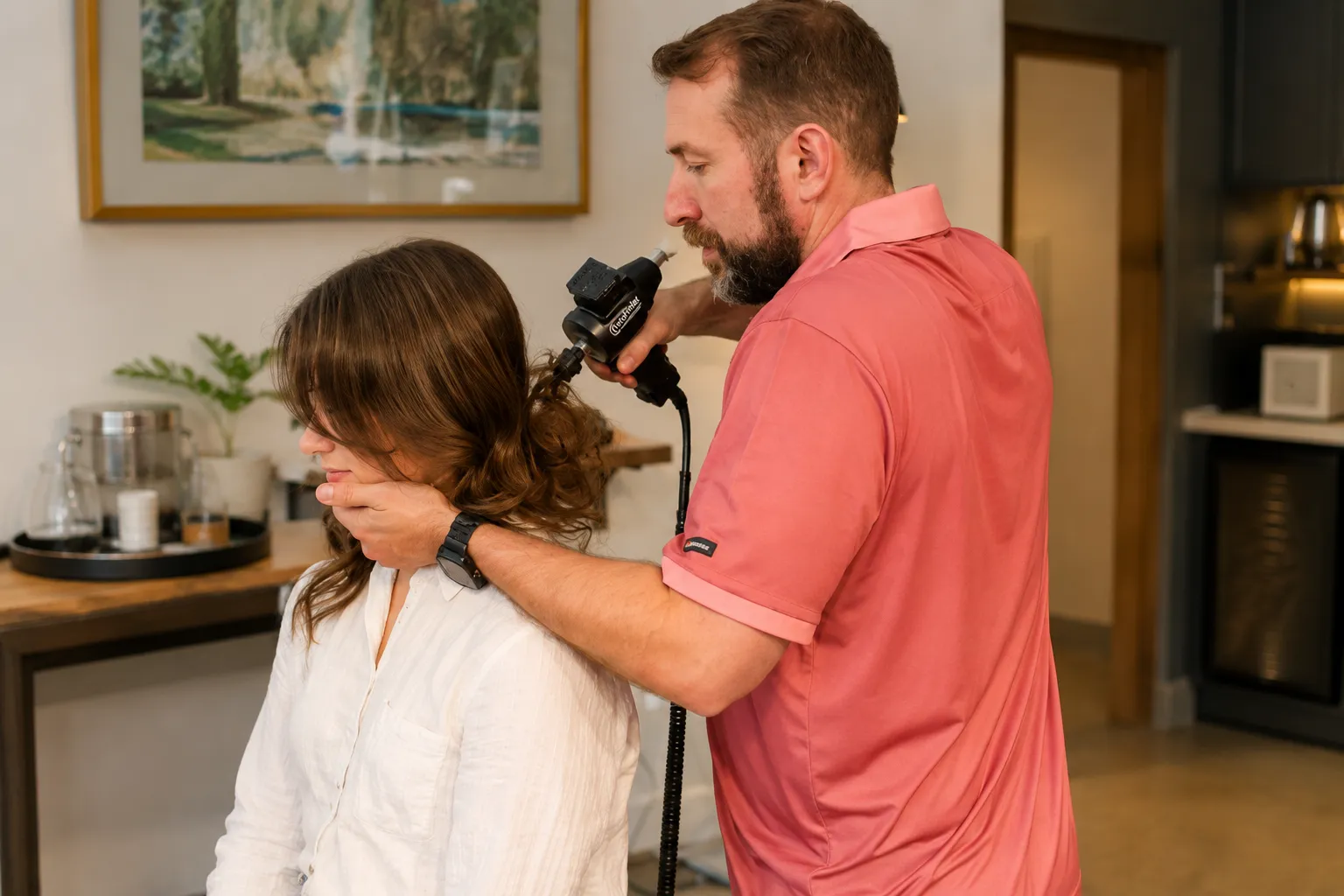
You bent down to pick something up. Maybe you twisted the wrong way, lifted something heavier than expected, or simply stood up and felt a sharp pain shoot through your lower back. Now you're wondering, Did I seriously injure something? Should I rest? Should I keep moving?
Most lower back injuries aren't serious and improve with the right care. But what you do over the next 24 to 48 hours, though, can make a big difference in how quickly you recover. Here's what to do first, what to avoid, and when it's time to have your back checked by a professional.
Key Takeaways
- Many minor lower back injuries heal independently; staying active accelerates recovery significantly.
- Lumbar strains damage tendons and muscles in the low back, causing spasms.
- Dr. Angela Santini, board-certified orthopedic surgeon, specializes in spinal injury treatment.
- Pushing and pulling sports like weightlifting increase lower back injury risk substantially.
What Should You Do Right After Hurting Your Back?
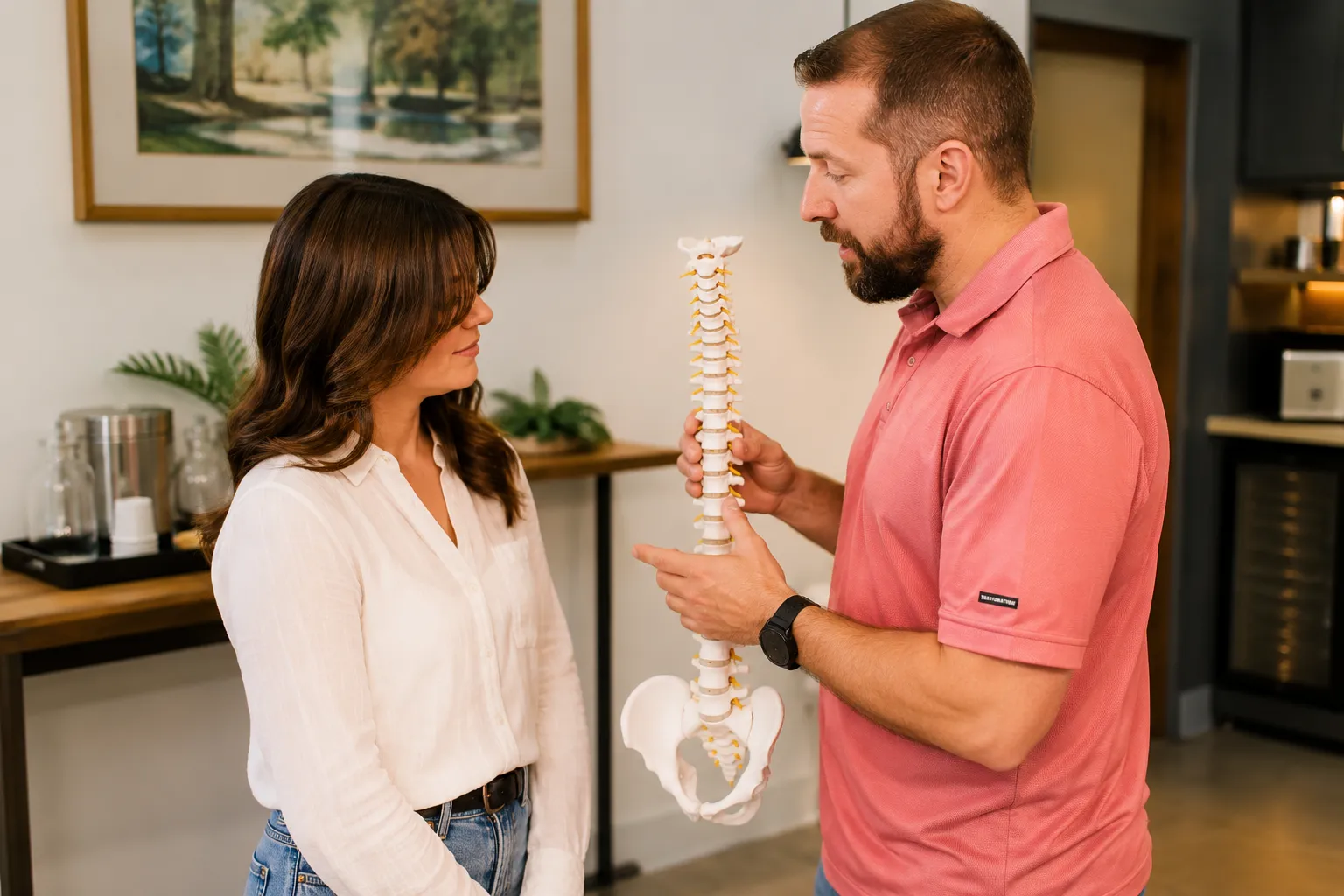
Your first instinct might be to stop moving altogether. While a little rest can help, staying in bed for days usually isn't the answer. Taking the right steps early can help reduce pain and get you back on your feet sooner.
Here is what to do after hurting your lower back:
- Think back to how the pain started - Did it happen while lifting something heavy, twisting awkwardly, or bending down? That kind of movement is more likely to cause a muscle strain than a more serious injury.
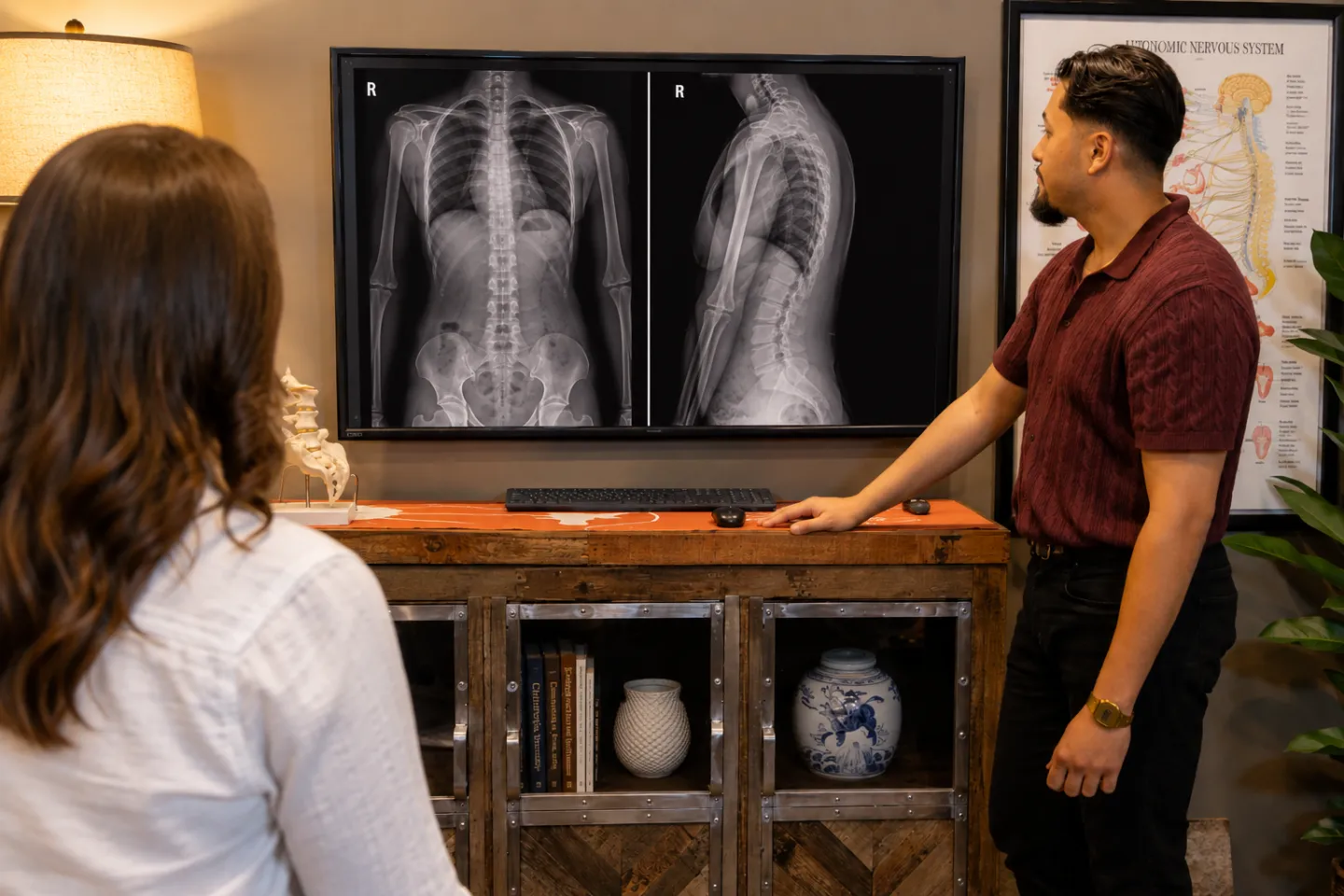
- Have your back properly evaluated - A thorough exam, including a consultation and X-rays if needed, can help identify what's causing your pain instead of relying on guesswork.
- Let your treatment match the cause - Before starting care, your provider should assess your posture and how your spine moves. That way, your treatment plan is based on what's actually going on, not just where it hurts.
- Ask questions before deciding on treatment - A good provider will explain what they found, walk you through your options, and make sure you feel comfortable before moving forward.
When Should You See a Doctor for Back Pain?
Around 8 out of 10 people will experience lower back pain at some point in their lives according to studies. For many, the pain starts to improve within a few days or weeks. If yours isn't following that pattern, it's time to pay attention.
We'd recommend booking an appointment if:
- Your pain is getting worse instead of better.
- You have muscle spasms that aren't settling down.
- The pain spreads into your buttock or down one or both legs.
- Standing, walking, or getting out of a chair becomes difficult.
- Your symptoms haven't started improving after a few days.
People are also more likely to develop lower back injuries than others. When you have poor posture, weak core muscles, tight hamstrings, or a pronounced curve in your lower back, your spine is under more stress during everyday movements like lifting, bending, or twisting. That doesn't mean an injury is inevitable, but it does mean it's worth taking new or persistent back pain seriously instead of hoping it will go away on its own.
What are the signs of a serious back injury?
The severity of a back injury isn't measured by pain alone. A simple muscle strain can be surprisingly painful, especially during the first 24 to 48 hours. What tells us more is what structure has been injured and how your symptoms change over time.
A strain affecting the muscles or ligaments usually improves with rest, gentle movement, and time. More serious injuries involving the discs, joints, nerves, or bones are less likely to follow that pattern and often need further investigation to determine the best course of treatment.
What happens during that first appointment?
Your first appointment is about understanding why your back hurts before deciding how to treat it. We'll ask how the injury happened, talk through your symptoms, and examine how your back moves. If needed, we'll also take digital X-rays to get a clearer picture of what's going on.
From there, we'll determine:
- How your injury happened and what's likely causing your pain.
- Whether posture, movement, or other factors are contributing.
- Whether your muscles, joints, or nerves are involved.
- The treatment plan that's most appropriate for your recovery.
How Long Does Lower Back Injury Recovery Take?
A simple muscle strain often starts feeling better within a few days, but don't expect your back to feel 100% overnight. While many lower back injuries heal within a few weeks, the exact timeline depends on what you've injured and how your body responds to treatment.
Staying active, within your comfort level, is one of the best things you can do for your recovery. While a day or two of rest may help immediately after the injury, spending too much time in bed can weaken the muscles that support your spine and slow your progress.
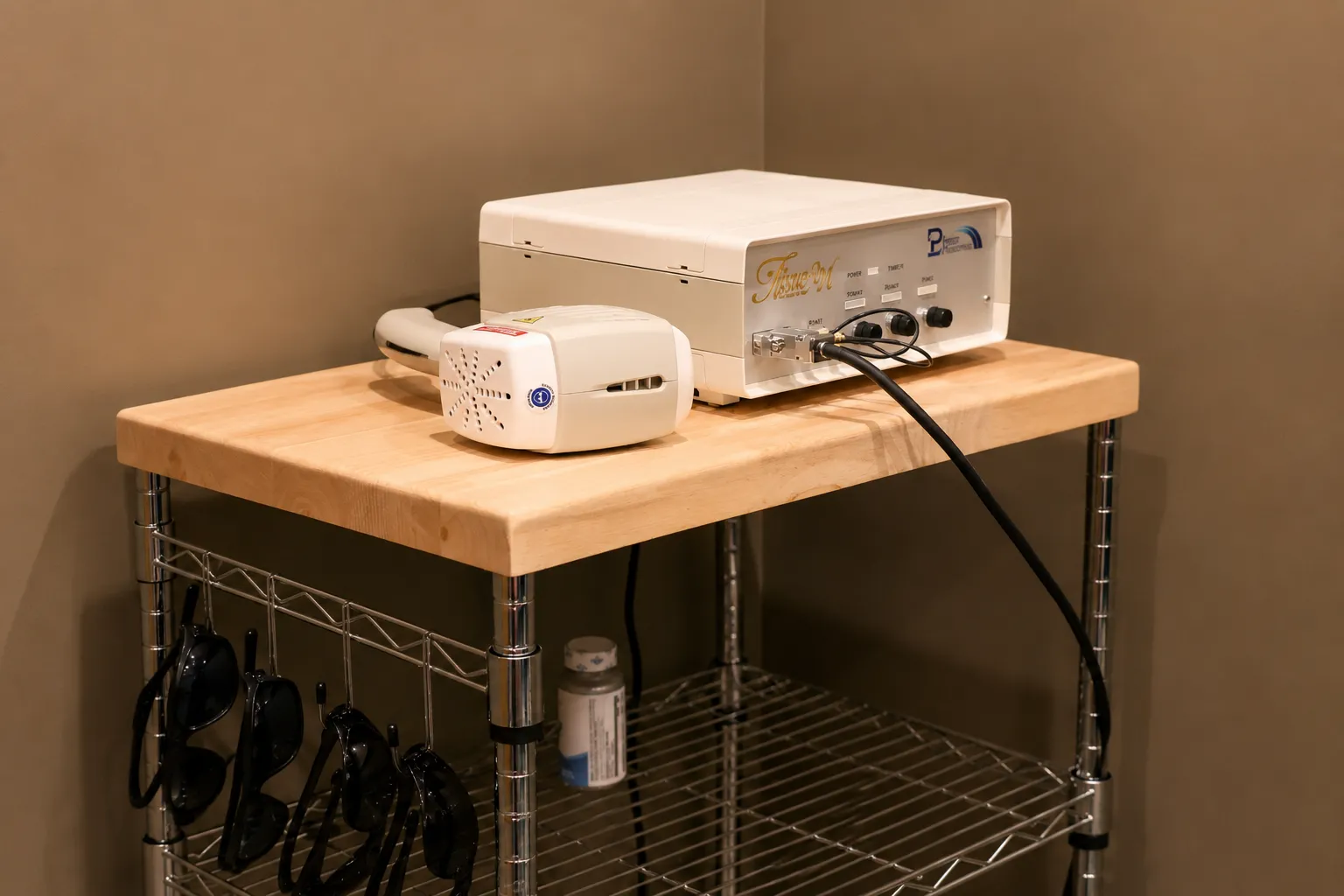
If your recovery isn't progressing as expected, we'll look at why. For some patients, spinal traction therapy can help relieve pressure on the spine by gently stretching the lower back. Sessions typically last 20 to 30 minutes and are designed to improve mobility, reduce pain, and help you get back to your normal routine. The goal isn't an overnight fix, but steady improvement with each stage of your recovery.
Which conditions respond well to spinal traction?
Spinal traction isn't the right treatment for every type of back pain. We typically recommend it for conditions where reducing pressure on the spine can make a real difference, such as herniated discs, pinched nerves, bone spurs, and degenerative disc disease. By gently stretching the spine, traction can help relieve pressure on irritated nerves, improve mobility, and make everyday movements more comfortable as your back heals.
When should recovery concerns prompt medical attention?
Your recovery should gradually move in the right direction, even if progress feels slow. If several weeks have passed and your pain isn't improving, or you're finding it harder rather than easier to move, it's time to come back in. We'll reassess what's causing your symptoms and decide whether your treatment plan needs to change or whether further investigation is needed.
FAQs
What are the first steps to take after hurting your lower back?
Take it easy for the first day or two, apply ice for 24 to 48 hours, and avoid heavy lifting or twisting. As your pain starts to settle, gentle movement is usually better than staying in bed, as it helps reduce stiffness and supports your recovery.
When does lower back pain require professional evaluation?
If your pain is getting worse, isn't improving after a few days, or starts spreading into your leg, it's a good idea to have it checked. At Thrive Wellness Center, we'll examine your back, discuss how the injury happened, and, if needed, take digital X-rays to understand what's causing your pain before recommending treatment.
What increases the risk of a lumbar strain?
Anyone can strain their lower back, but some people are more prone to these injuries than others. Poor posture, weak core muscles, tight hamstrings, and a pronounced curve in the lower back can all place extra stress on the spine during everyday movements. Activities that involve frequent lifting, pushing, or pulling, such as weightlifting, can also increase your risk.

Dr. Ben Ozanne
Chiropractor and Owner of Thrive Wellness Center
Latest from the Blog

Why Your Chronic Lower Back Pain Keeps Coming Back
Herniated Disc Lower Back Pain: Symptoms and Treatment
A herniated disc in your lower back can send pain, tingling, or weakness all the way into your leg and foot. Here is what the symptoms feel like, what helps in the first few days, and the warning signs that mean you should stop managing it at home.
Muscle Strain vs. Something Worse: Understanding Your Lower Back Pain
A strain usually stays put and eases day by day. Pain that travels into your leg, or comes with numbness, tingling, or weakness, is a different signal. Here is how to tell them apart and when to stop watching and get evaluated.