7 Common Causes of Lower Back Pain (and Which Ones Need Attention)
July 31, 2026
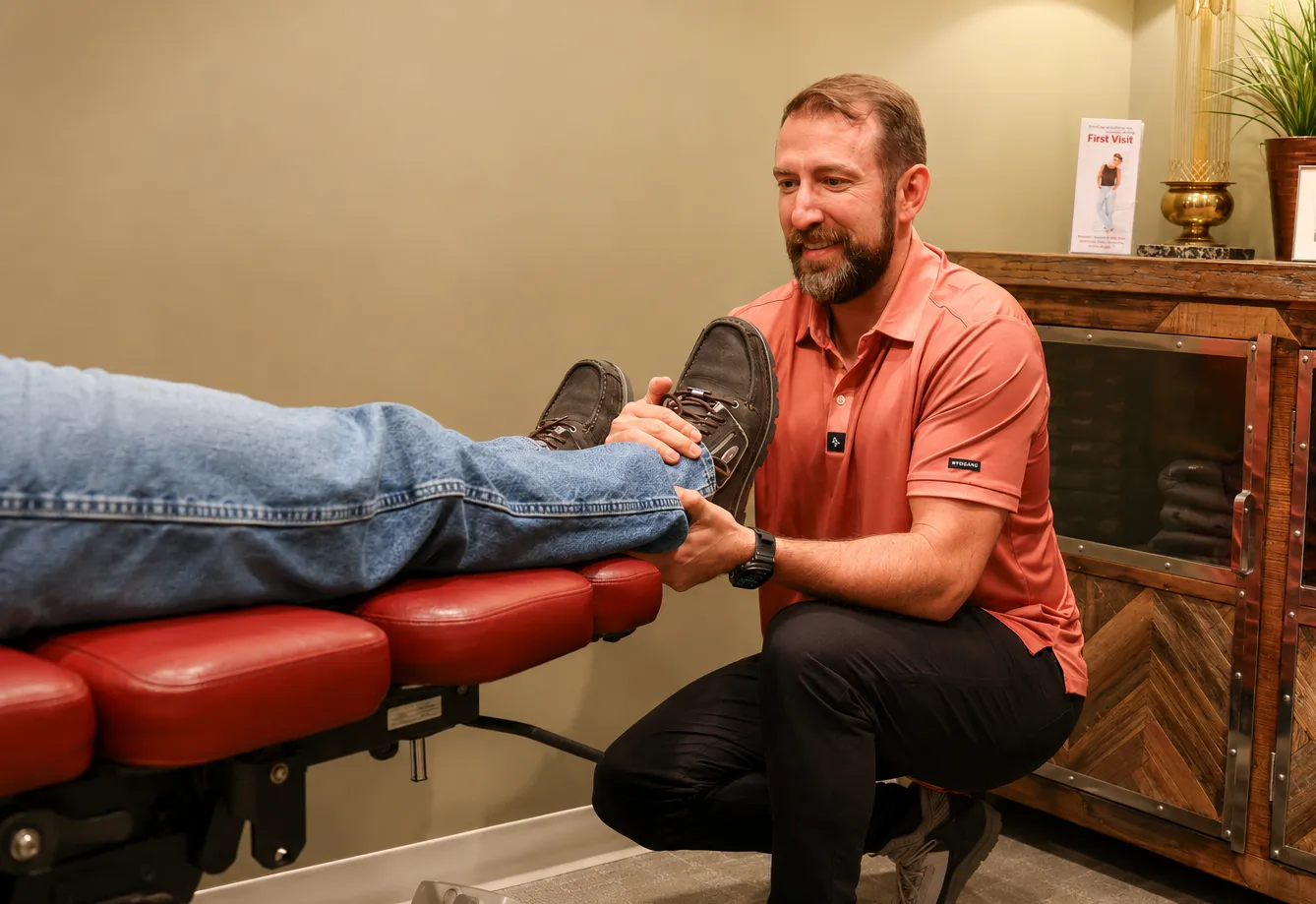
Roughly 80% of adults deal with lower back pain at some point, so if you're reading this while shifting around trying to get comfortable, you're in good company. The frustrating part is that different causes of lower back pain can feel surprisingly similar. A dull ache after a weekend of yard work and a bulging disc pressing on a nerve can both leave you wincing when you stand up. Knowing which one you're dealing with changes what you should do next.
Here are the seven we see most often at our Fayetteville clinic, plus the warning signs that mean you shouldn't just wait it out!
Key Takeways
- Muscle and ligament strains are the most common cause of lower back pain, but disc problems, sciatica, SI joint dysfunction, poor posture, and age-related changes can cause similar symptoms.
- The location and type of pain matter. Pain that shoots down your leg, stays on one side, or comes with numbness or tingling can help identify what's causing it.
- Not all back pain is an emergency, but symptoms like leg weakness, loss of bladder or bowel control, fever, or pain after a fall should be evaluated right away.
- Rest isn't always the answer. Gentle movement, improving your posture, and addressing the underlying cause often lead to better long-term results than simply waiting for the pain to go away.
- A proper evaluation helps you get the right treatment. At Thrive Wellness Center, Dr. Ben uses a detailed examination and digital X-rays, when needed, to identify what's driving your pain and create a treatment plan tailored to your spine.
1. You Pulled Something: Muscle and Ligament Strain
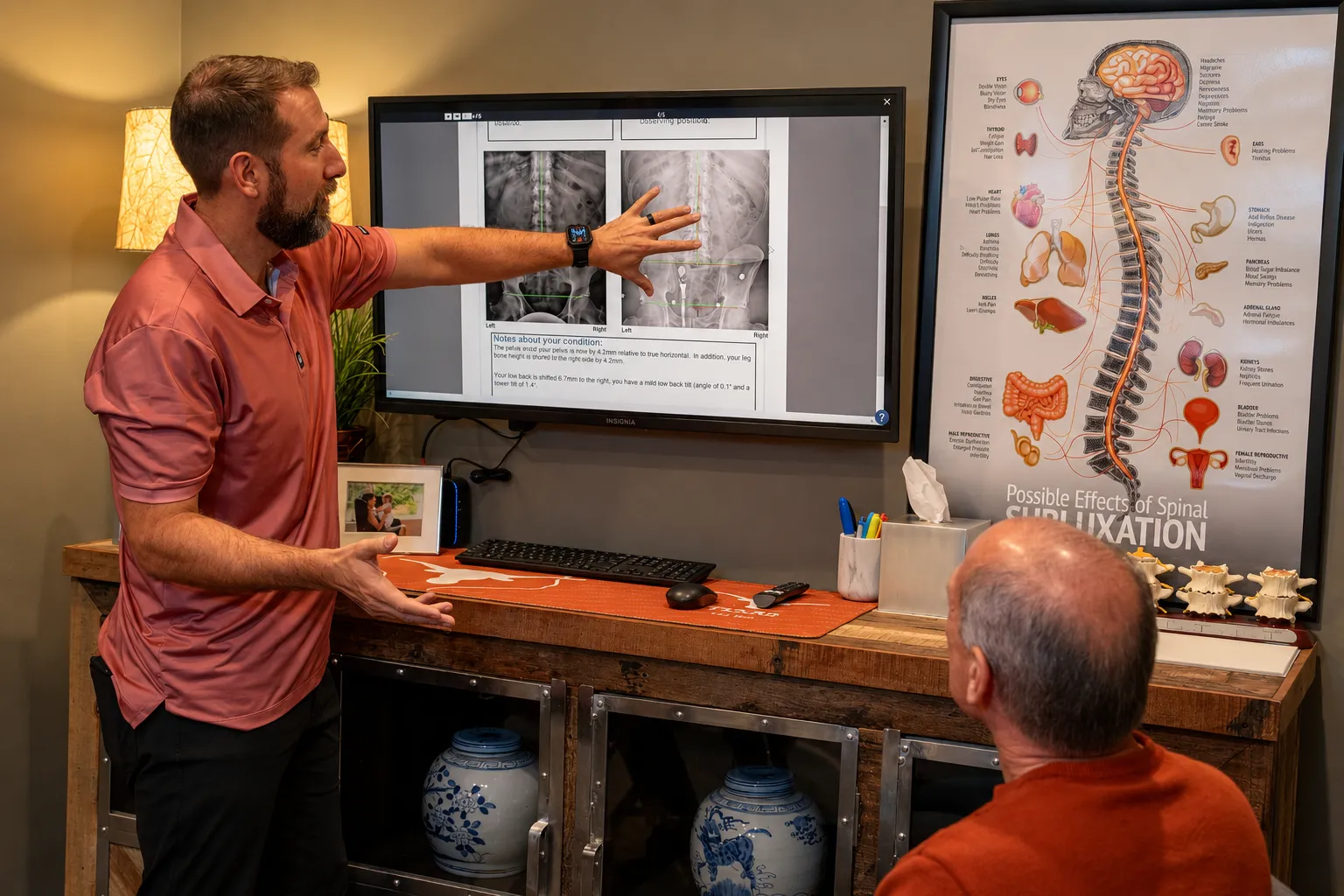
The most common cause of lower back pain is a simple strain of the muscles or ligaments that support your spine. It usually happens after lifting something the wrong way, twisting awkwardly, or overdoing a project around the house. The pain is usually a dull ache that spreads across your lower back and gets worse when you move.
Strains usually settle down within a few weeks. Keep moving gently, use ice for the first day or two before switching to heat, and ease back into your normal routine instead of spending days on the couch. Raking leaves, hauling furniture, or squeezing in one too many reps at the gym are some of the most common triggers.
If you're still hurting after three or four weeks, or the pain is getting worse instead of better, it's worth getting checked to see if something more than a simple strain is going on.
2. Too Many Hours at a Desk
Sitting hunched over a keyboard for eight or nine hours loads the discs in your lower back far more than standing does. Do that five days a week for months, and it's no surprise your back starts feeling stiff, achy, and never quite right.
We see this all the time with remote workers and students around the University of Arkansas. Your spine wasn't built to stay in one position all day. A better chair can help, but the real solution is movement. Get up every 30 to 45 minutes, and don't ignore the forward-head, rounded-shoulder posture often called tech neck. That same posture doesn't just strain your neck. It changes the way your entire spine moves and can contribute to lower back pain, too. Correct the posture, and the pain often starts to improve.
3. A Disc Pressing on a Nerve
Between each of your vertebrae sits a cushion called a disc. When the soft center pushes through a weak spot in the outer wall, it can press against a nearby nerve. That's a herniated disc, and it often sends pain from your back into your buttock or down your leg.
Bending, coughing, or sneezing tends to make it worse, and you might notice numbness or tingling along with the pain. A herniated disc doesn't automatically mean you'll need surgery. Spinal decompression therapy gently takes pressure off the disc, giving it more room to heal, and many disc problems improve with conservative care over the course of a few months.
4. Wear and Tear That Builds Up With Age
As you get older, the discs in your spine naturally lose some water and height, and the joints can start to develop arthritis. That's a normal part of aging. It can leave you with a deep, stiff ache that's often worse first thing in the morning or after you've been sitting for a while.
Degenerative changes get blamed for a lot of back pain, but they aren't automatically the cause. Plenty of people have arthritis show up on an X-ray and never develop symptoms. What matters more is how well your spine moves and functions. Regular movement and targeted strengthening help keep an aging spine moving well, while too much rest usually makes stiffness worse.
5. Pain That Shoots Down One Leg

Sciatica is nerve pain that travels from your lower back, through your buttock, and down the back of one leg, sometimes all the way to your foot. It happens when a disc or a tight muscle compresses the sciatic nerve. In many cases, the leg pain is actually worse than the pain in your lower back.
People describe it as sharp, burning, or almost electric. Sitting often makes it flare up, and it usually affects just one side. Sciatica isn't a diagnosis by itself. It's a symptom that tells you something is irritating the sciatic nerve. That's why stretching your leg may provide temporary relief, but it won't solve the problem if the pressure on the nerve is still there.
6. One-Sided Pain Near Your Belt Line
Your sacroiliac (SI) joints connect your spine to your pelvis, one on each side. When one becomes irritated or doesn't move properly, it can cause a sharp pain around your belt line that often feels like it's coming from your hip or lower back. It usually flares up when you stand from a seated position, climb stairs, or roll over in bed.
SI joint problems are often mistaken for other types of lower back pain because the symptoms overlap. They're especially common during and after pregnancy, and they can also develop after a hard fall onto your tailbone. The pain usually stays on one side and sits lower than people expect, which is one clue that the SI joint, not the spine itself, may be the source of the problem.
7. A Spine That's Drifted Out of Its Natural Curve
Your spine has natural curves that help spread pressure evenly as you move, stand, and lift. When those curves flatten or change over time because of old injuries, years of poor posture, or repetitive stress, some parts of your spine end up doing more work than they were designed to. That extra strain can lead to recurring back pain that keeps coming back, even after stretching or taking time to rest.
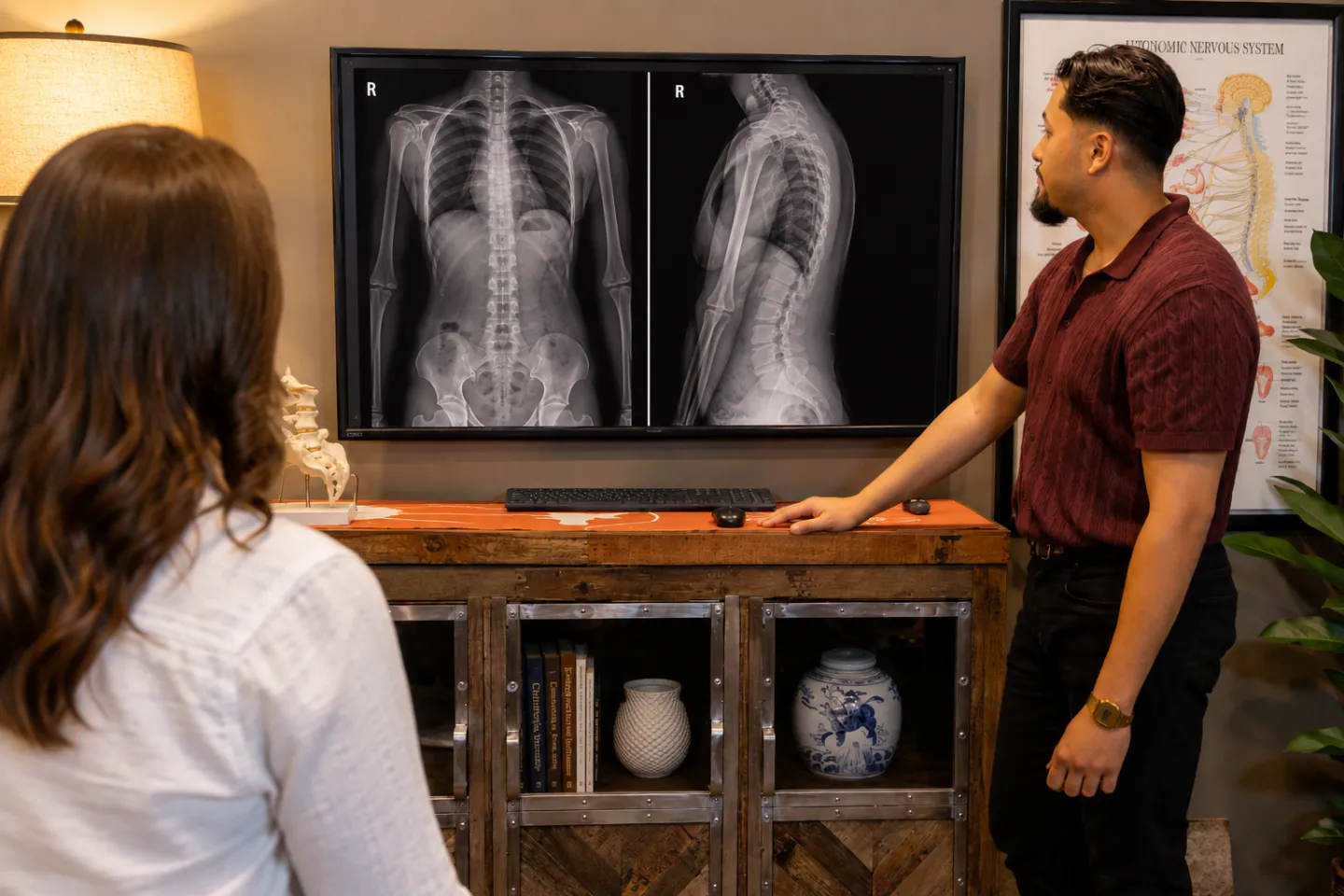
This is one area that's often overlooked because many treatments focus on easing the pain instead of finding out why it keeps returning. Dr. Ben Ozanne uses Chiropractic BioPhysics (CBP), one of the most researched corrective chiropractic approaches, to measure your spinal curves with digital X-rays and create a plan that's specific to your spine. As your spinal alignment improves, there's less stress on the structures causing your pain, making long-term relief much more achievable.
Which of These Need Attention Right Now
Most of the causes we've covered in this piece aren't medical emergencies. Muscle strains, postural problems, and age-related wear and tear often improve with the right care and don't usually require urgent treatment. However, symptoms caused by a herniated disc, sciatica, or significant nerve compression should be evaluated if they're severe, getting worse, or aren't improving. No matter what's causing your back pain, these warning signs mean you shouldn't wait to get checked:
- Numbness, tingling, or weakness in one or both legs
- Loss of bladder or bowel control (go to the emergency room immediately)
- Back pain that starts after a car accident, fall, or other significant injury
- Back pain with a fever, chills, or unexplained weight loss
- Pain that's severe enough to wake you from sleep or is consistently worse at night
- Pain that hasn't improved after three to four weeks despite home care
How We Track Down the Real Cause
At Thrive Wellness Center, our low back pain treatment starts with figuring out which of these seven causes is actually driving your pain. We take a full history, watch how you move, and use digital X-rays when it makes sense so we're not guessing. From there, we build a treatment plan around your spine, which may combine chiropractic adjustments, spinal decompression, and rehab exercises instead of a one-size-fits-all approach.
We've been helping Fayetteville families for more than 14 years, and we've seen the difference that treating the underlying cause can make. When you address why your pain keeps coming back instead of simply masking the symptoms, you're much more likely to experience lasting relief.
Frequently Asked Questions
What is the most common cause of lower back pain?
Muscle and ligament strain is the most common cause of lower back pain. It usually follows lifting, twisting, or overexertion and clears up within a few weeks with gentle movement. Pain that lasts longer than a month often points to a disc, joint, or postural problem instead.
Can lower back pain go away on its own?
Yes. Most simple strains improve on their own within two to four weeks. If your pain keeps returning, spreads into your leg, or hasn't improved after a month, it's worth getting evaluated to find out what's causing it.
How do I know if my back pain is serious?
Get checked as soon as possible if you have leg weakness or numbness, loss of bladder or bowel control, pain after a fall or accident, fever with back pain, or pain that regularly wakes you at night. These symptoms can point to a condition that needs prompt medical attention.
Does a herniated disc always need surgery?
No. Most herniated discs improve without surgery. Non-surgical treatments like spinal decompression therapy can relieve pressure on the disc and nearby nerve, and many people recover with conservative care over the following few months.
How long does chiropractic care for low back pain take?
Many people notice some relief within the first week or two, but correcting long-term structural problems takes longer. A typical care plan includes about 28 visits, with appointments becoming less frequent as your spine improves. Think of it like braces for your back.
Get to the Bottom of Your Back Pain
Your first visit at Thrive is $67 and includes a full exam, X-rays, and your first adjustment, so you leave knowing exactly what's causing your pain. Call (479) 439-8121 or book online to schedule your back pain evaluation.

Dr. Ben Ozanne
Chiropractor and Owner of Thrive Wellness Center
Latest from the Blog

Why Your Chronic Lower Back Pain Keeps Coming Back
Herniated Disc Lower Back Pain: Symptoms and Treatment
A herniated disc in your lower back can send pain, tingling, or weakness all the way into your leg and foot. Here is what the symptoms feel like, what helps in the first few days, and the warning signs that mean you should stop managing it at home.
Muscle Strain vs. Something Worse: Understanding Your Lower Back Pain
A strain usually stays put and eases day by day. Pain that travels into your leg, or comes with numbness, tingling, or weakness, is a different signal. Here is how to tell them apart and when to stop watching and get evaluated.