HIP PAIN TREATMENT IN FAYETTEVILLE, AR
When Knee Pain Changes How You Move
You might notice it when you take the stairs, get out of a chair, squat down, or try to get through a workout. What starts as an occasional knee ache can begin to affect how you move.
Why Knee & Joint Pain Can Develop
Your knee or another joint can start hurting when the way you move places more stress on the area. Repetitive activity, reduced mobility, muscle weakness, or a previous injury can all affect how a joint handles everyday movement.
One prospective study followed 1,597 Naval Academy participants for up to 2.5 years and found that several movement and strength factors were associated with developing patellofemoral pain. These included reduced knee flexion, increased hip internal rotation during landing, and lower quadriceps and hamstring strength.
That doesn't mean one movement pattern automatically causes knee pain. It does show why looking at how the knee, hip, and surrounding muscles work together can be useful when someone is dealing with recurring symptoms.
Common factors that may contribute to knee and joint pain include:
- Poor movement mechanics
- Repetitive strain
- Muscle weakness or imbalance
- Previous injury
- Postural stress
- Reduced joint mobility
When Joint Pain Keeps Coming Back
Pain can affect how the muscles around a joint work, even when your overall movement doesn't change. In a study of 21 people with patellofemoral pain (dull, aching pain in the front of the knee and around or under the kneecap), researchers found that increases in pain were accompanied by changes in quadriceps function during activities such as running, squatting, and stepping down.
The researchers didn't find changes in lower-limb biomechanics, but the changes in quadriceps function show how pain can affect the way the muscles supporting a painful joint work.
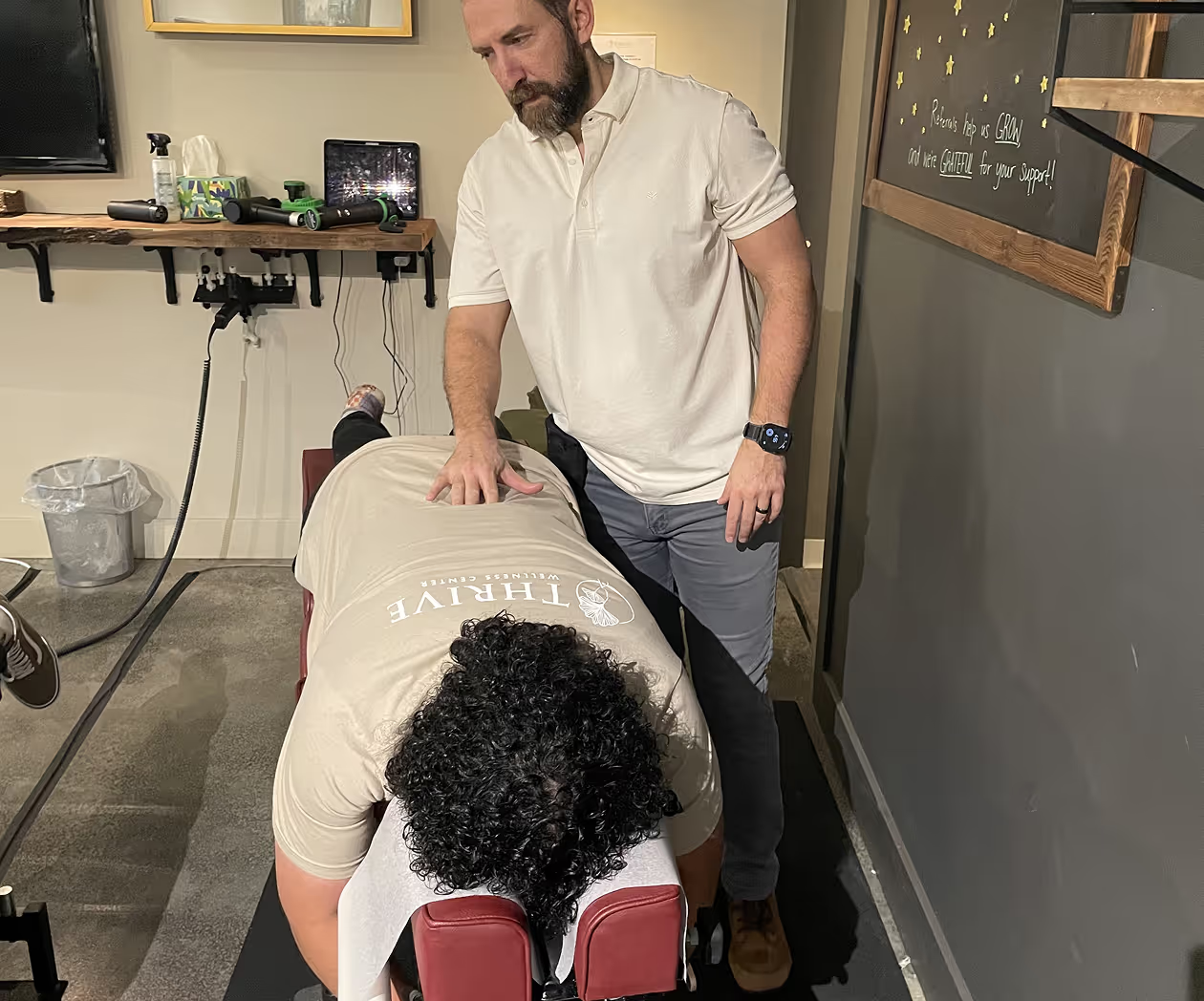
At Thrive, we look at your pain alongside your joint movement, strength, and the areas supporting it. That gives us a better picture of what may be contributing to the problem.
A Conservative, Whole-Person Approach to Joint Pain
Knee and joint pain care at Thrive Wellness Center is thoughtful, personalized, and never rushed.
Your treatment plan may include:
Detailed Health & Movement History
Understanding how pain started and how it affects daily life.
Movement & Stability Assessment
Evaluating how joints, muscles, and posture work together.
X-Ray Analysis (When Clinically Appropriate)
Assessing alignment and joint stress patterns.
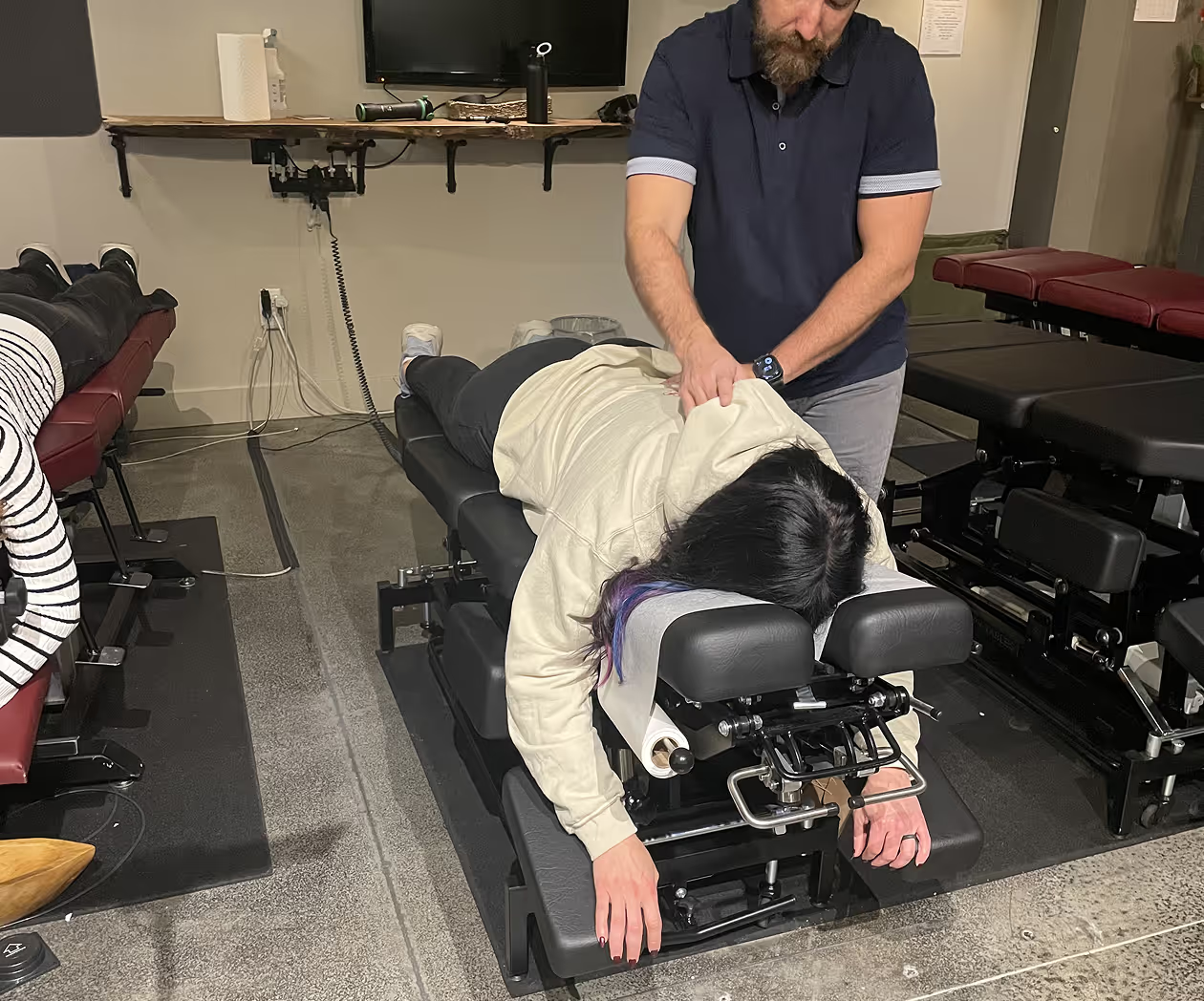
Chiropractic Adjustments
Restoring proper joint motion and reducing stress.
Physical Rehabilitation & Functional Movement
Strengthening and stabilizing joints for long-term support.
PEMF Therapy (When Appropriate)
Supporting recovery and reducing inflammation.
Where Joint Pain Shows Up
Joint problems aren't limited to the knees. We commonly work with pain or stiffness affecting the:
- Knees
- Hips
- Shoulders
- Ankles
- Wrists
- Elbows
Starting With Conservative Joint Pain Care
Knee and joint pain doesn't automatically mean you need an injection or surgery. Depending on what's causing the problem, care may start with improving how the joint moves, building strength around it, and addressing movement patterns that may be placing extra stress on the area.
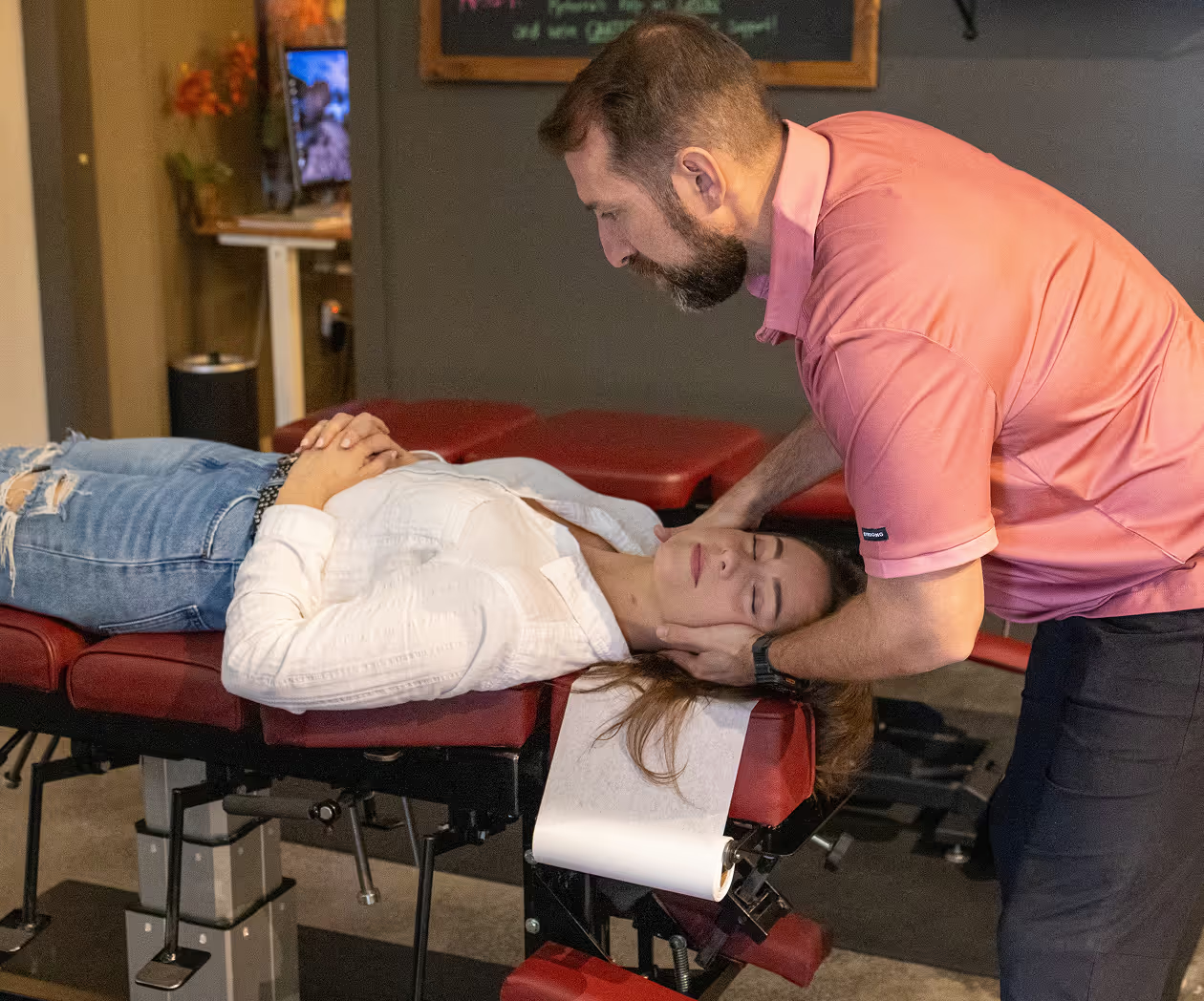
At Thrive, that can mean using chiropractic adjustments for restricted joint movement, rehabilitation to improve strength and stability, postural correction when alignment is relevant, or other supportive treatments based on your evaluation.
What that means for you:
- No injections as part of chiropractic care
- No prescription medication as part of chiropractic treatment
- No pressure to pursue surgery
- A plan based on your symptoms, movement, and evaluation
That doesn't mean surgery or other medical treatment is never appropriate. Some joint problems require medical or surgical care, and those decisions belong with the appropriate medical professional. Thrive's approach is to start with conservative chiropractic and rehabilitative options when they are appropriate.

Your Care Can Change as Your Needs Change
Joint pain isn't necessarily going to need the same approach at every stage. You may need more work on mobility early on, then shift toward strengthening and movement control as things improve.
Depending on your evaluation, care at Thrive may include:
Chiropractic Care
For assessing and addressing the way your spine and joints are moving.
Chiropractic Adjustments
For specific joints where restricted movement is identified.
Physical Rehabilitation & Functional Movement
To work on strength, stability, mobility, and control around the affected joint.
Chiropractic BioPhysics® (Postural Correction)
When posture and structural alignment are relevant to the way you're moving.
PEMF Therapy
When additional support for comfort or recovery is appropriate.
What Patients Say About Their Joint Pain Relief
“My knee pain had been limiting everything I did. Thrive helped me move better and feel confident again.”
— Jason P.
Knee & Joint Pain Treatment in Fayetteville, AR
Thrive Wellness Center helps patients with knee and joint pain throughout Fayetteville, Springdale, Johnson, Farmington, Prairie Grove, and across Northwest Arkansas.
If joint pain is holding you back, a personalized evaluation can help clarify what’s going on and what to do next.
Dealing With Knee or Joint Pain?
Knee pain, hip pain, stiffness, or a joint that keeps bothering you can make everyday movement frustrating. When the same problem keeps coming back, it’s worth looking at how the joint is moving and what may be contributing to the stress around it.
We work with patients throughout Fayetteville, Springdale, Johnson, Farmington, Prairie Grove, and the surrounding Northwest Arkansas area.
At Thrive Wellness Center, a joint pain evaluation (for $49) gives us a chance to look at your symptoms, movement, strength, and other relevant factors before deciding what type of care makes sense.