SCOLIOSIS TREATMENT IN FAYETTEVILLE, AR
Move Better With Scoliosis Care
Scoliosis can change how your spine moves and how your body feels. Thrive Wellness Center looks at your individual curve to guide your care.
What Is Scoliosis?
Scoliosis is more than a spine that bends from side to side. It is a three-dimensional spinal deformity, meaning the spine can curve sideways and the vertebrae can rotate as well. On an X-ray, a scoliosis curve is generally defined as a Cobb angle greater than 10 degrees.
The most common form is idiopathic scoliosis, which usually develops during childhood or adolescence, particularly during periods of rapid growth. Research shows that the exact cause of adolescent idiopathic scoliosis remains unclear, although genetic factors appear to play a role.
Adults can have scoliosis, too. Some have a curve that began when they were younger, while others develop degenerative scoliosis as changes in the spine occur with age. A systematic review found that adult degenerative scoliosis becomes more common with increasing age, although estimates vary considerably between studies.
Scoliosis does not always cause pain. In adolescents, it is often identified through changes such as uneven shoulders, a prominent shoulder blade, an uneven waist, or a shift of the trunk. The curve itself, its size, location, and whether it changes over time are important factors when assessing the condition.

Why Scoliosis Deserves Attention, Even Without Pain
Pain isn’t the only reason scoliosis can affect your day-to-day life. Changes in the spine can also alter your posture and movement, putting extra strain on certain muscles and joints.
Over time, that may show up as:
- Postural imbalance
- Muscle tension or fatigue
- Uneven stress on the joints
- Back or neck discomfort
- Reduced mobility
Scoliosis care isn’t simply about chasing pain but about how the curve is affecting your body and supporting better spinal balance and function over time.
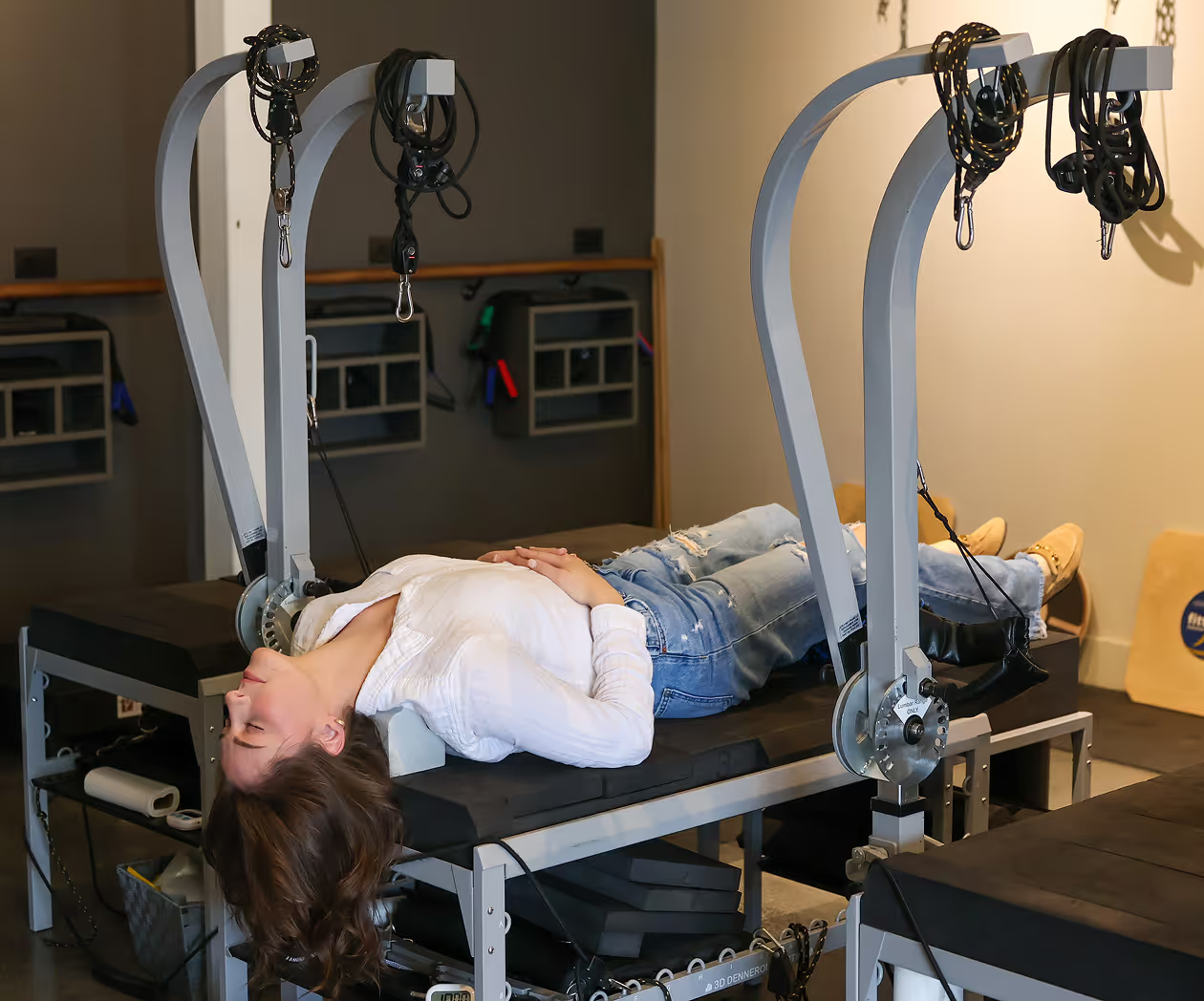
Your Personalized Scoliosis Approach
Scoliosis doesn’t look the same on every spine, so care shouldn’t follow a one-size-fits-all plan. At Thrive, the focus is on looking at your symptoms, movement, posture, and goals before deciding what your care should look like.
Your plan may include:
Detailed Consultation & History
We’ll look at your symptoms, lifestyle, and goals to see how they may be affecting your spine and daily movement.
Posture & Movement Assessment
This helps identify changes in spinal balance and the way your body moves.
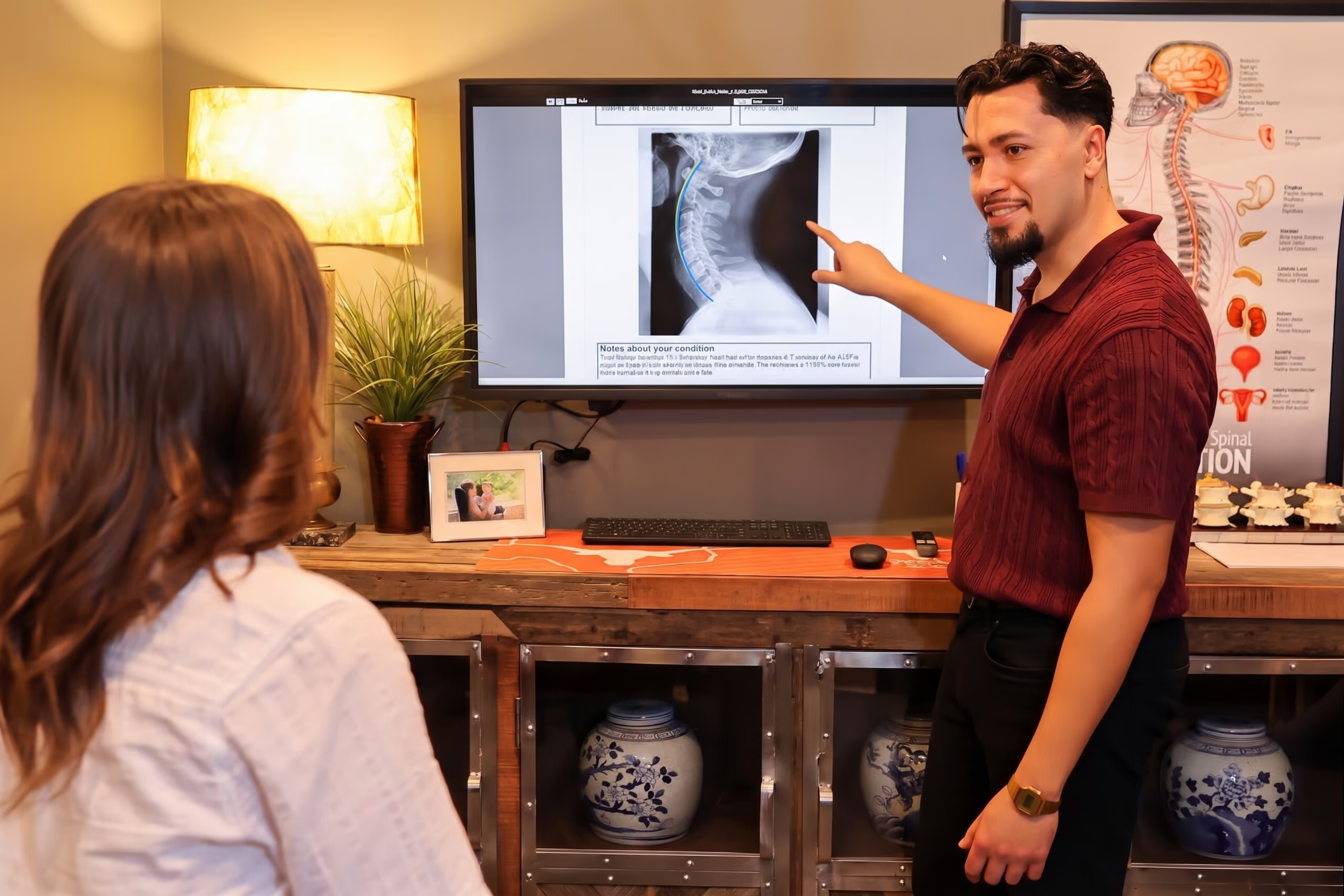
X-Ray Analysis (When Clinically Appropriate)
X-rays can help measure the curve, assess alignment, and track changes over time.
Chiropractic Adjustments
Gentle adjustments can support spinal movement and help reduce stress on the joints.
Chiropractic BioPhysics
CBP uses posture-focused correction strategies designed to support better spinal alignment.
Rehabilitation & Corrective Exercises
Targeted exercises help build stability and give your muscles the support they need.
Who Can Benefit From Scoliosis Treatment?
Scoliosis care at Thrive may be appropriate for several different situations, including:
- Children and teens with developing curves
- Adults who have had scoliosis for years
- People experiencing discomfort related to posture
- Those looking to monitor or prevent progression
- Patients interested in conservative, non-surgical care
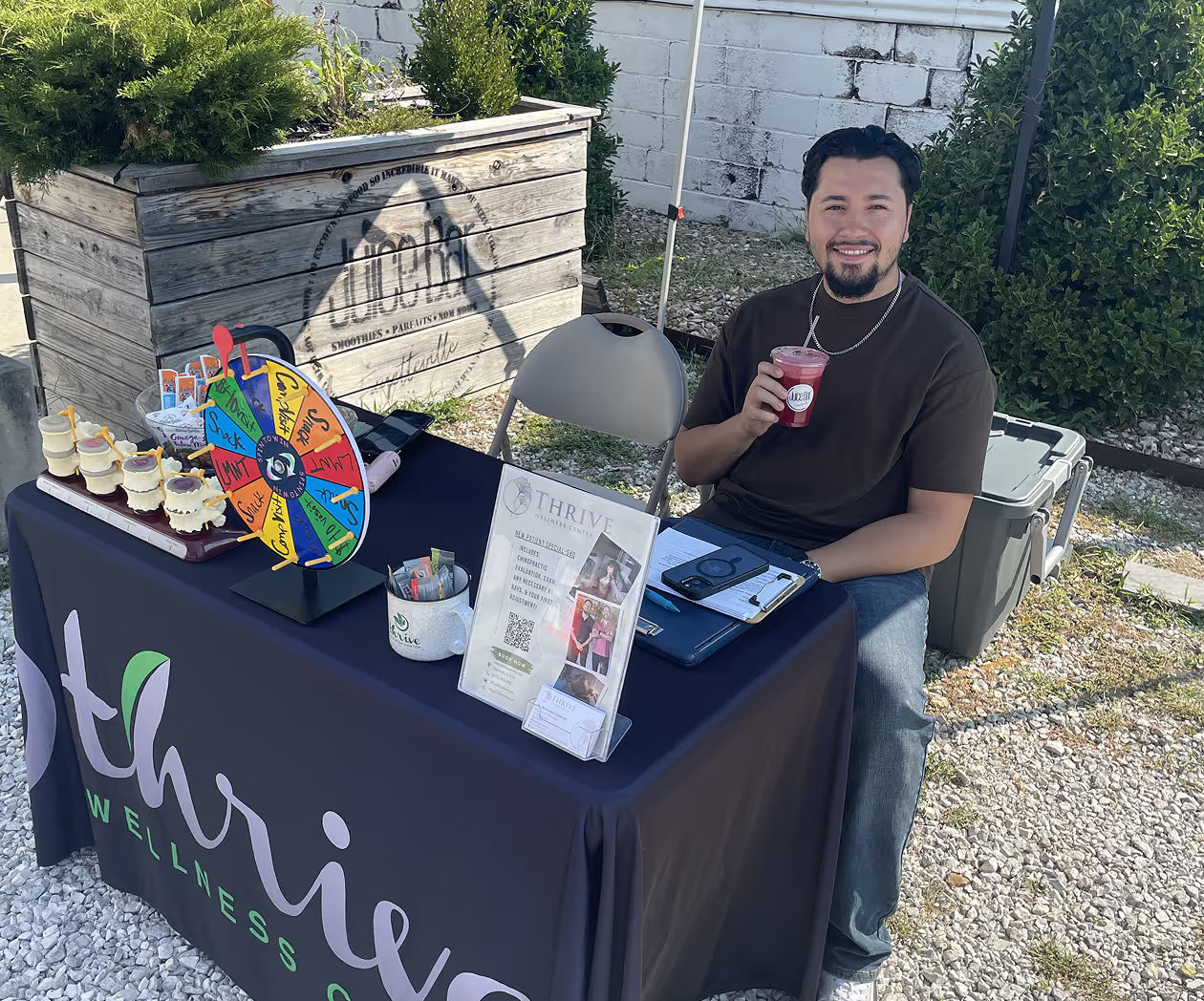
Why We Focus on Conservative Scoliosis Care
At Thrive Wellness Center, scoliosis treatment focuses on conservative, non-invasive care whenever appropriate.
Instead, we emphasize posture, movement, spinal support, and education, helping patients feel informed and empowered.
This means:
- No medications
- No injections
- No pressure toward surgery
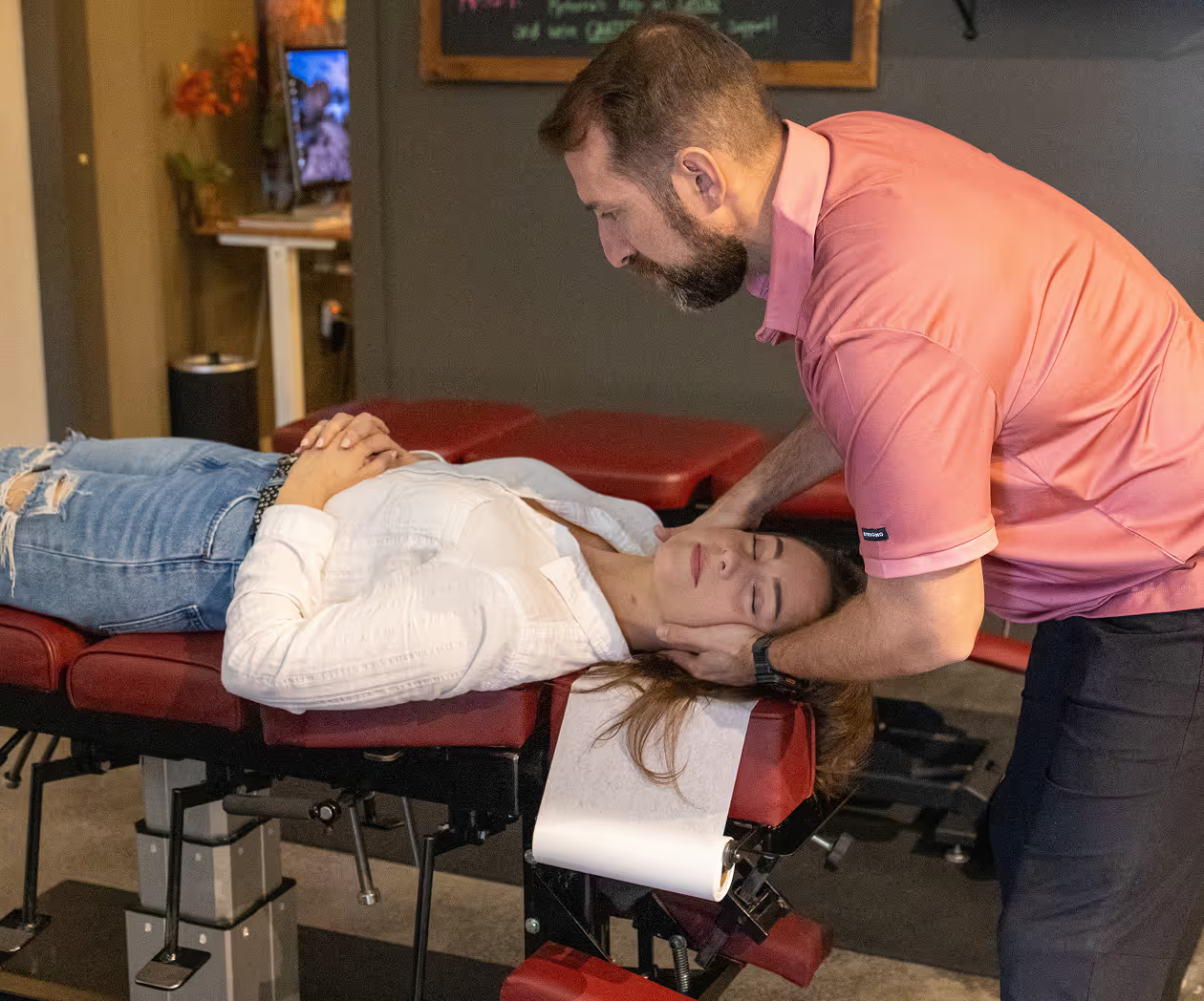
Supporting Scoliosis With Whole-Person Care
Scoliosis can affect more than the shape of your spine. Care may involve several parts working together to support movement, posture, and spinal function.
Depending on your needs, that may include:
Chiropractic Care
Chiropractic Adjustments
Physical Rehabilitation & Functional Movement
Chiropractic BioPhysics® (Postural Correction)
PEMF Therapy
What Patients Say About Scoliosis Care at Thrive
Edie Cowan, Google review
Marie Cross, Google review
Scoliosis Treatment in Fayetteville, AR
Thrive Wellness Center supports scoliosis patients in Fayetteville, Springdale, Johnson, Farmington, Prairie Grove, and throughout Northwest Arkansas.
If you or your child has scoliosis, a thoughtful evaluation can help provide clarity and direction.
Why Thrive Is Different
CBP® Certified Expertise
Dr. Ben is the only CBP® (Chiropractic BioPhysics®) certified chiropractor in Fayetteville, providing advanced corrective care focused on long-term spinal health.
600+ Five Star Reviews
Hundreds of patients across Northwest Arkansas have trusted Thrive Chiropractic for compassionate care and lasting results.
Serving Fayetteville Since 2012
Serving Northwest Arkansas for more than a decade, we've proudly helped individuals and families throughout the community improve their health and quality of life.
A More Advanced Approach to Scoliosis Care
As one of the only Chiropractic BioPhysics® certified offices in Northwest Arkansas, Thrive uses one of the most researched corrective-care chiropractic approaches available.
CBP® focuses on postural correction, addressing the underlying alignment issues that contribute to spinal stress and curvature progression.
CBP® care may include:
- Postural assessment and spinal analysis
- Digital X-ray imaging for precise measurement
- Mirror-image adjustments for correction
- Traction and postural rehabilitation
- Ongoing progress monitoring
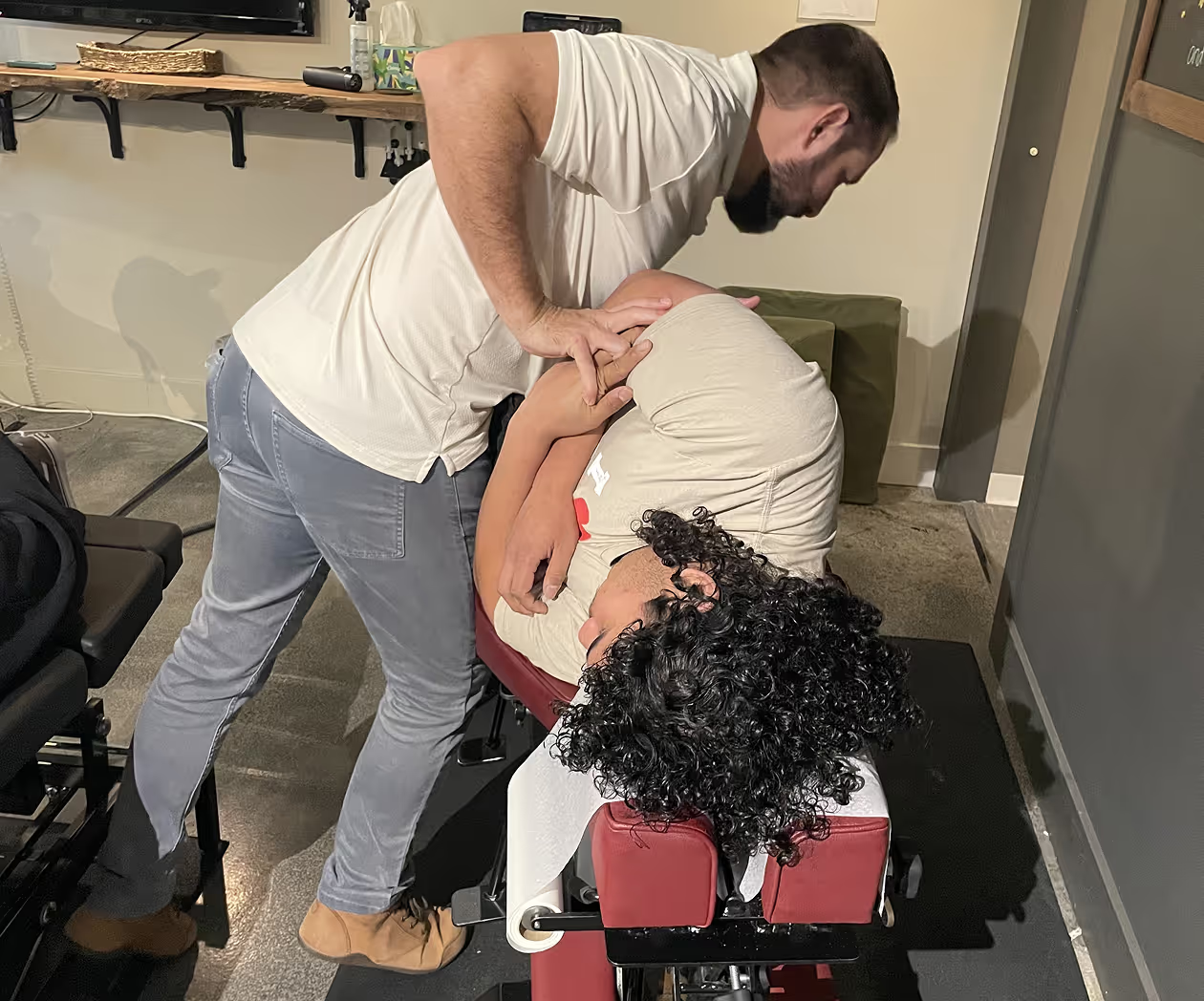
Not All Scoliosis Is the Same
Scoliosis can develop for different reasons and at different stages of life. Understanding the type of scoliosis is an important first step in creating the right treatment plan.
Adolescent Idiopathic Scoliosis
Typically diagnosed between the ages of 10 and 15 during periods of rapid growth.
Adult Degenerative Scoliosis
Adults, typically over the age of 50.
Congenital Scoliosis
Present at birth.
Tracking Progress with Precision
At Thrive Chiropractic, detailed evaluations help monitor spinal changes and guide personalized care.
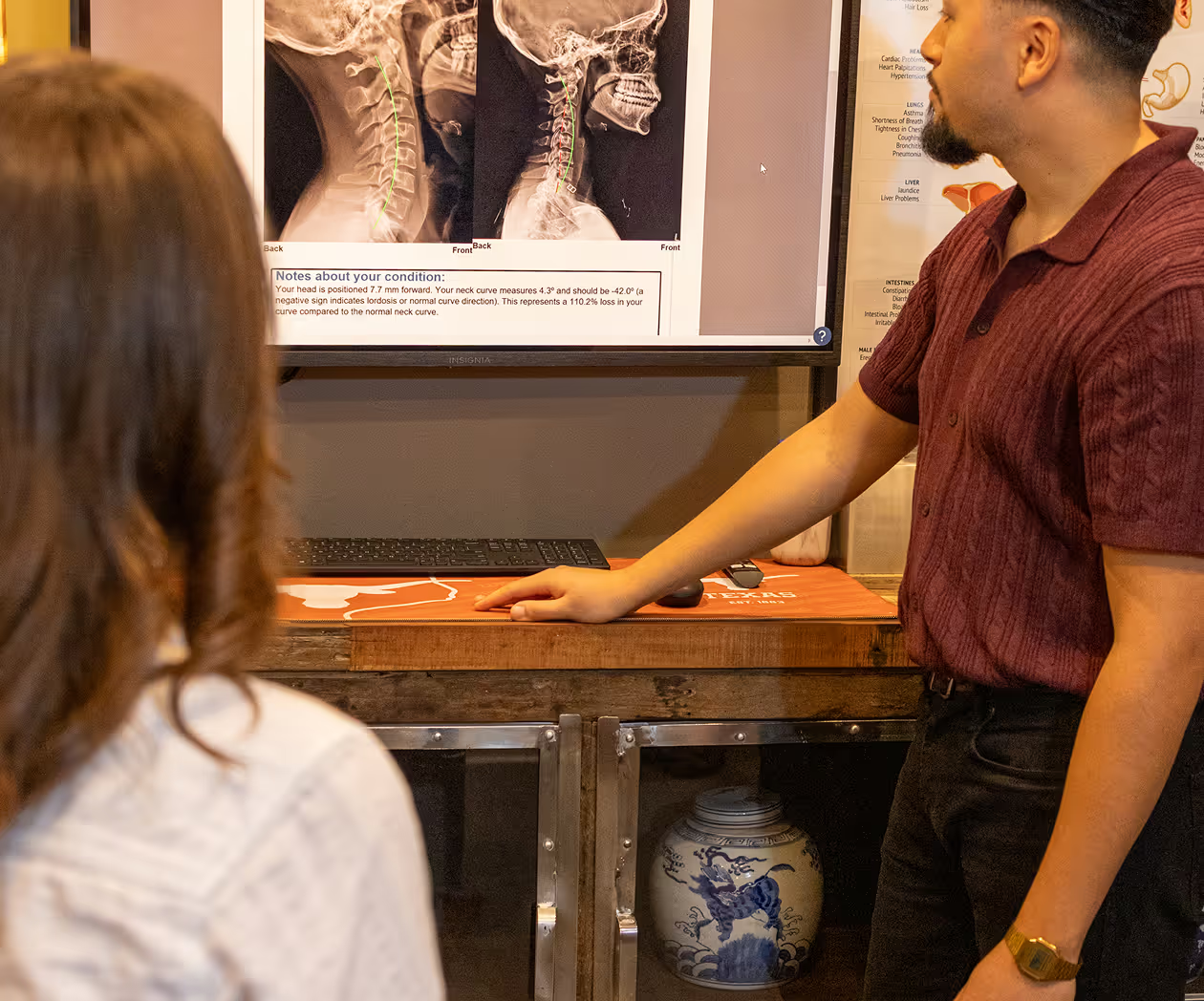
Cobb Angle Measurement
The Cobb Angle is the standard method used to measure the degree of spinal curvature. It helps determine the severity of scoliosis and provides a consistent way to monitor changes over time.
Understanding Curve Severity
Mild Curve:
Often monitored closely with conservative care.
Moderate Curves:
May benefit from structured corrective treatment and regular evaluations.
Severe Curves:
Require careful monitoring and may involve additional medical consultation depending on individual circumstances.
Monitoring Progress
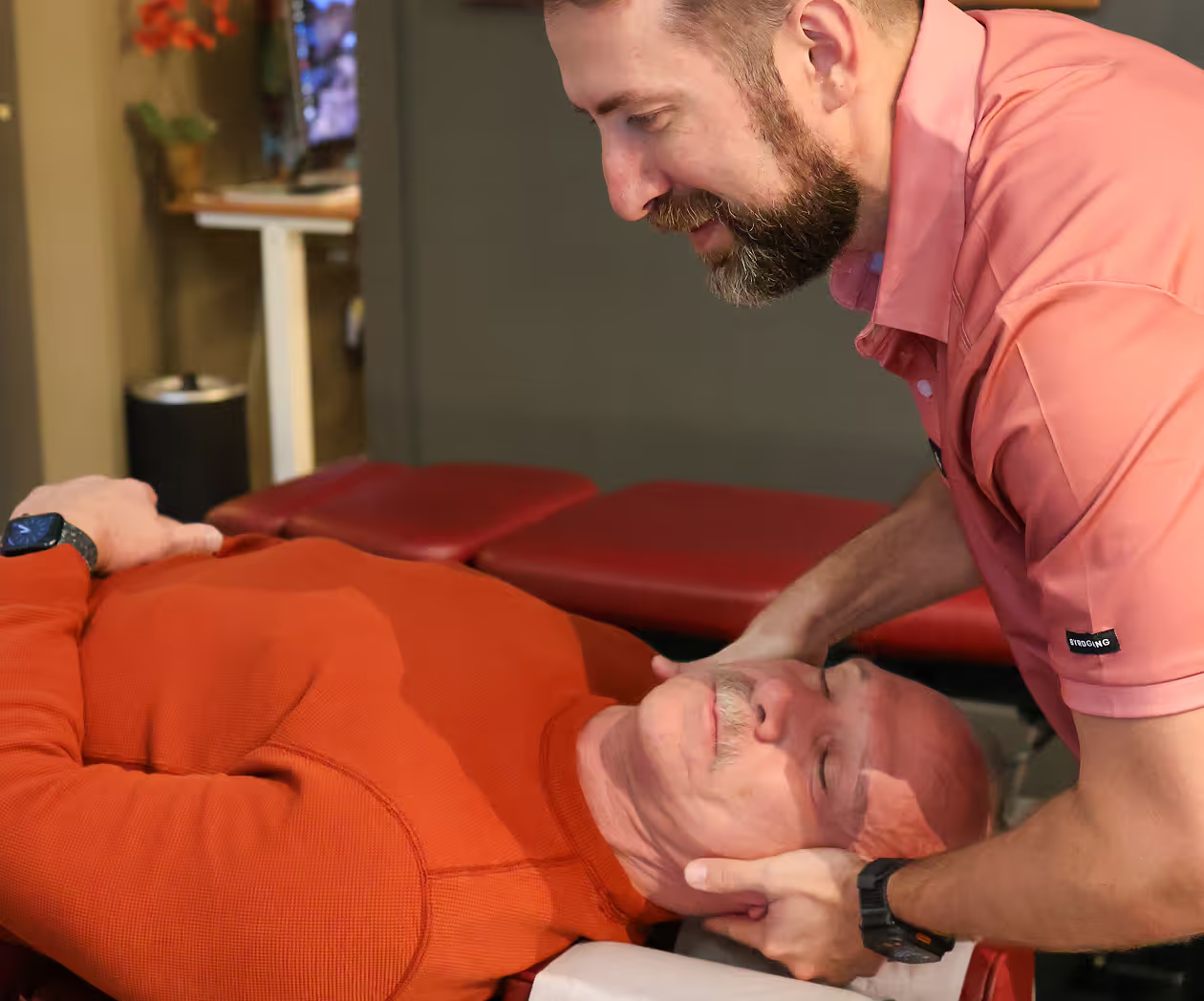
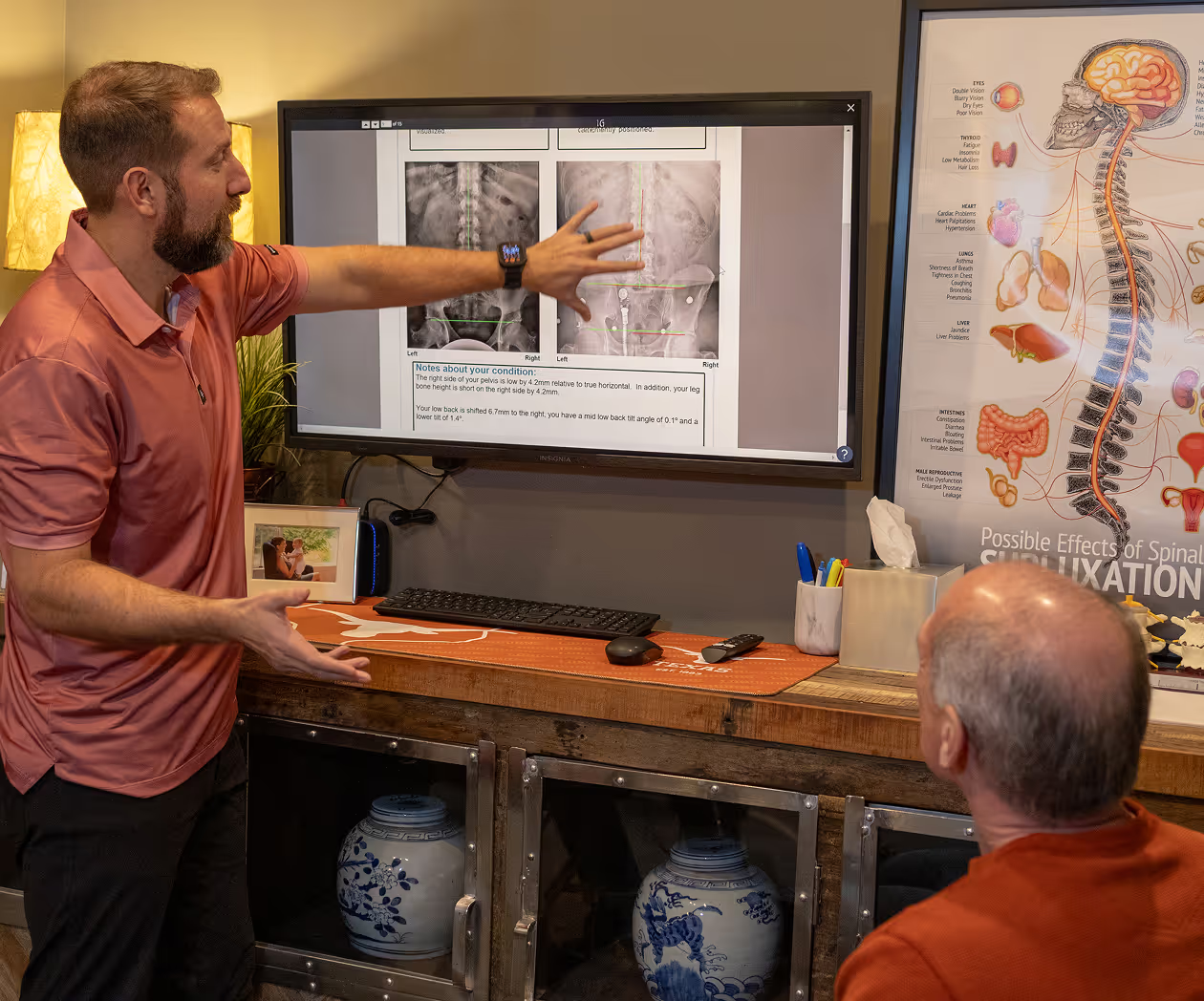
Digital X-rays and routine evaluations allow us to track changes in spinal alignment throughout care. Comparing results over time helps ensure your treatment plan continues to meet your needs and supports measurable progress.
Scoliosis by the Numbers
2–3%
Approximately 2–3% of the U.S. population is affected by scoliosis, representing an estimated 6 to 9 million people.
Ages 10–15
Scoliosis is most commonly diagnosed during adolescence, particularly during periods of rapid growth.
Early Detection
Identifying scoliosis early provides more opportunities to monitor progression and begin appropriate conservative care when needed.
Before & After: Postural Correction
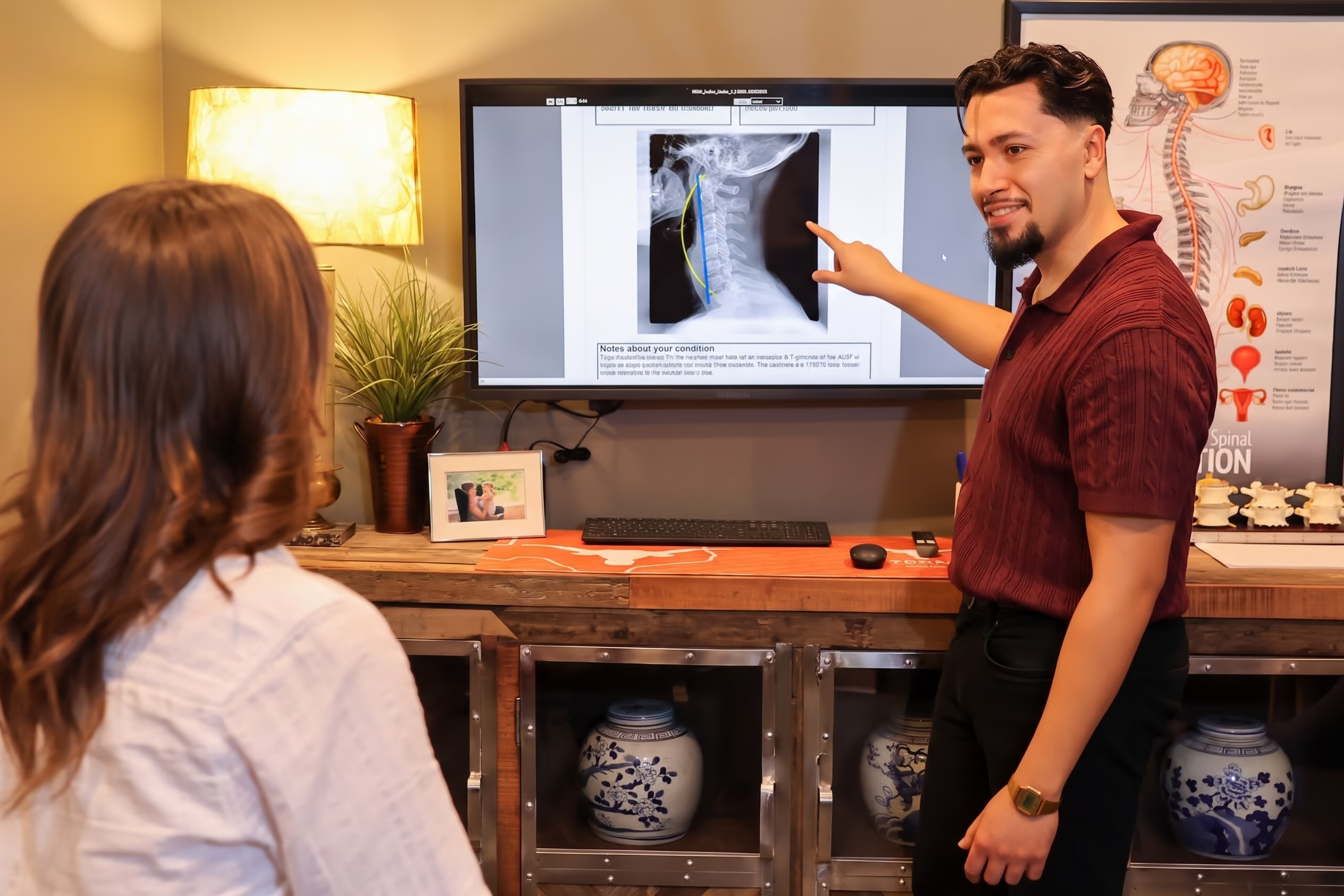
Chiropractic BioPhysics® care is designed to support measurable improvements in spinal alignment over time.
Before
After
Frequently Asked Questions
Chiropractic care can help manage scoliosis and, in many cases, support measurable improvements in spinal curvature. Results depend on several factors including the type of scoliosis, the degree of curvature, the patient's age, and how consistently care is followed. At Thrive, we use Chiropractic BioPhysics (CBP), which is the most researched corrective care technique in chiropractic and is specifically designed for structural spinal correction. We'll always be honest about what care can realistically achieve for your specific curve.
CBP is an advanced chiropractic technique focused on structural correction of the spine. Unlike general chiropractic care that primarily addresses pain and mobility, CBP uses mirror image adjustments, spinal traction, and targeted exercises to work toward measurable changes in spinal alignment. It is the most published and peer-reviewed technique in chiropractic, with over 300 research publications. Dr. Ben Ozanne is the only CBP-certified chiropractor in Fayetteville, making Thrive uniquely equipped to provide this level of scoliosis care in Northwest Arkansas.
Yes. In children and adolescents, the spine is still developing, which means there is often a greater window for correction. The focus is typically on slowing or halting curve progression and supporting better alignment during growth. In adults, scoliosis care focuses more on managing symptoms, improving mobility, reducing pain, and preventing further progression. Both children and adults benefit from a combination of adjustments, corrective exercises, and postural support, but the approach is tailored to the individual.
Scoliosis is a structural condition, so meaningful correction takes time and consistency. Most care plans at Thrive involve regular visits over several months, with periodic X-rays to monitor progress. The timeline depends on the severity of the curve, the patient's age, and their commitment to the care plan including home exercises. We set realistic expectations from the beginning and track progress with measurable data, not guesswork.
It can, especially in adolescents who are still growing. Curves that are left unmonitored may progress over time, potentially leading to increased postural imbalance, pain, reduced mobility, and in severe cases, impacts on breathing and organ function. In adults, degenerative changes can cause existing curves to worsen gradually. Regular monitoring allows for early intervention if a curve begins to progress.
Most scoliosis cases do not require surgery. Surgery is typically reserved for severe curves (usually above 40-50 degrees) that are progressing and causing significant functional problems. Conservative care, including chiropractic, rehabilitation, and postural correction, is appropriate for mild to moderate scoliosis and is often recommended as a first-line approach. At Thrive, we focus on conservative, non-invasive care and will always refer appropriately if your case requires a different level of intervention.
Common signs include uneven shoulders or hips, one shoulder blade that appears more prominent than the other, an uneven waistline, or the body leaning to one side. You can do a simple screening at home by having your child bend forward at the waist while you look for asymmetry in the ribcage or back. School screenings sometimes catch scoliosis, but they aren't always reliable. If you notice any of these signs, a chiropractic evaluation with X-rays can provide a clear picture of your child's spinal alignment.
Caring for Communities Across Northwest Arkansas
We're proud to serve patients across Fayetteville, Springdale, Rogers, Bentonville, Johnson, Farmington, Prairie Grove, and surrounding Northwest Arkansas communities, including the University of Arkansas community, with personalized chiropractic care for every stage of life.
Related Articles
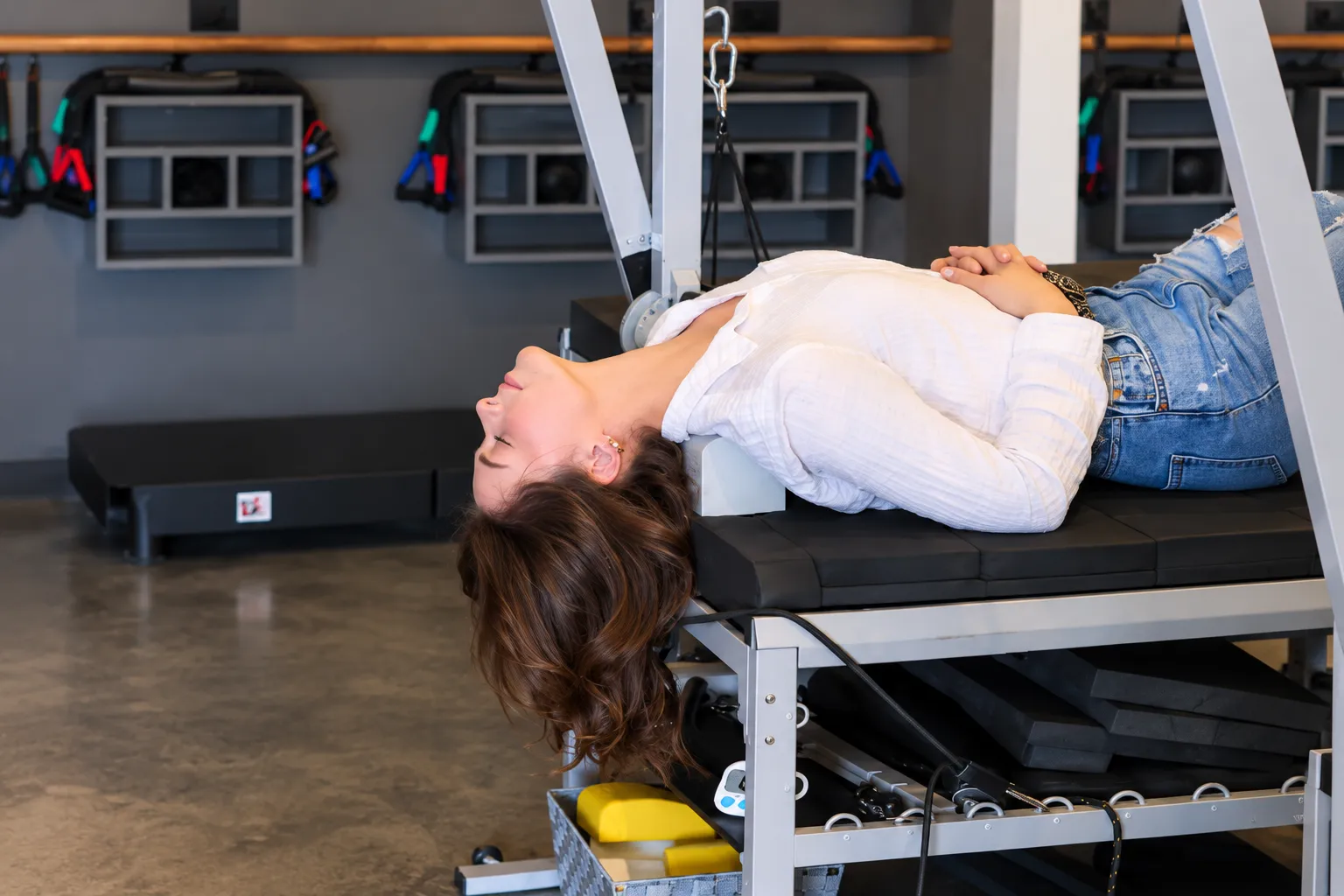
How CBP Postural Correction Techniques Work (and Why They Matter)
Temporary relief from an adjustment doesn't always mean the underlying posture problem is corrected. Here's how CBP postural correction techniques work, what a first visit looks like, and why the approach is built to be measured over time.
What Is Chiropractic Bio Physics? A Patient's Guide to CBP
Chiropractic BioPhysics (CBP) is a research-based corrective chiropractic approach that looks beyond pain relief to correct spinal alignment and posture. Here's what patients can expect from CBP care at Thrive Wellness Center.
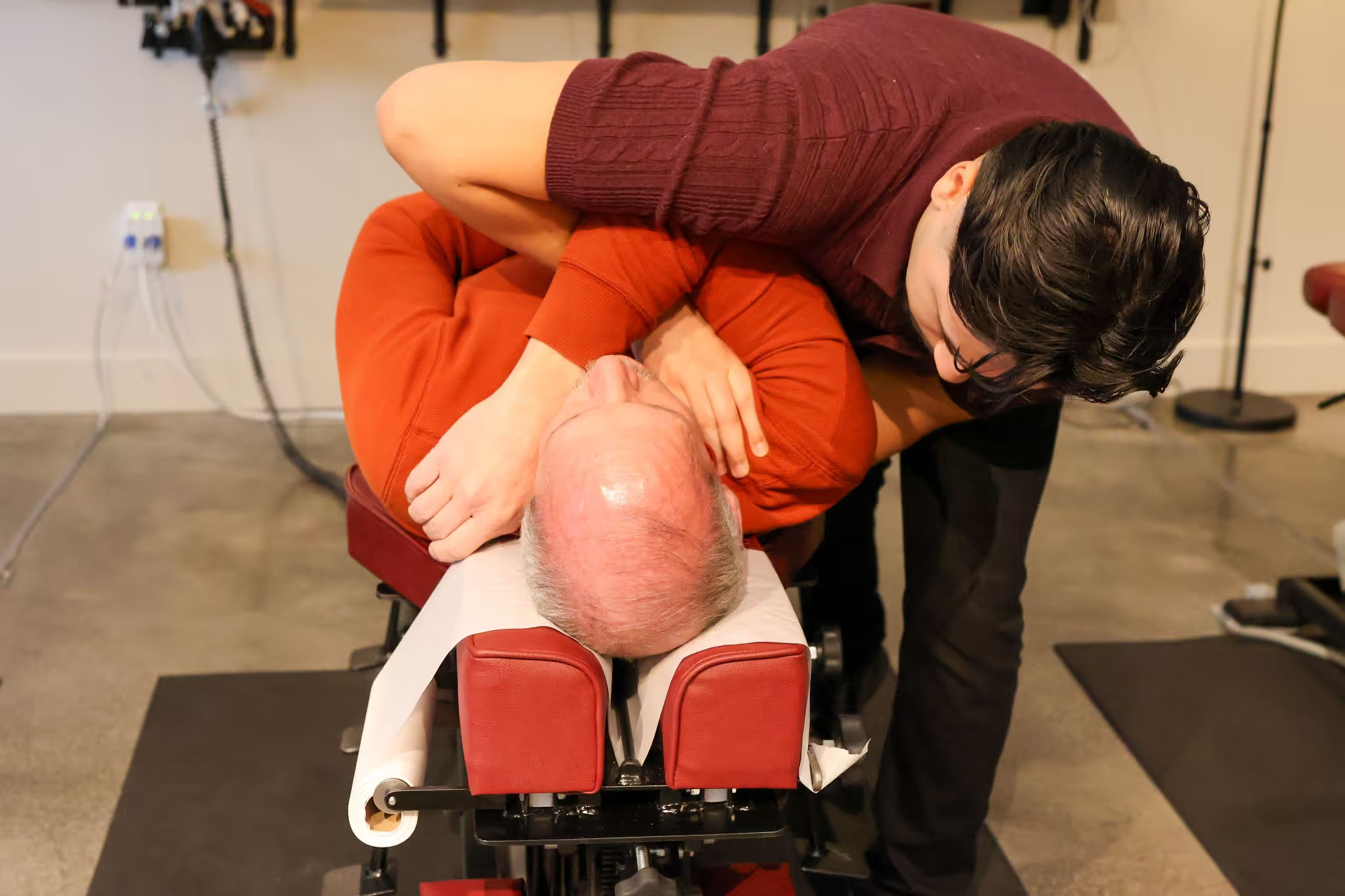
A Natural, Conservative Approach to Healing and Spine Health
At Thrive Wellness Center, we offer a natural, non-invasive approach to care — helping your body heal and function better without relying on medications or surgery.
Scoliosis Treatment in Fayetteville, AR
A scoliosis diagnosis can leave you with questions about your curve, how it may be affecting your movement, and what care options are available. Thrive Wellness Center provides conservative scoliosis care for patients in Fayetteville and nearby communities, including Springdale, Johnson, Farmington, and Prairie Grove.
An evaluation looks at your spine, posture, movement, and individual needs to help determine what type of care may be appropriate for you.