SCIATICA TREATMENT IN FAYETTEVILLE, AR
Sciatica Relief Starts With Relieving Pressure
Sciatica has a way of making ordinary things frustrating. Sitting for too long can set it off. Walking can hurt. Finding a comfortable position at night can feel impossible.
That sharp, burning, or radiating pain usually has a reason behind it. At Thrive Wellness Center, we look at what’s irritating the sciatic nerve rather than simply trying to cover up the pain. From there, we build a conservative care plan based on what we find.
What Is Sciatica?
Sciatica isn’t a diagnosis. It’s what happens when the sciatic nerve becomes irritated or compressed. This large nerve runs from your lower back down into your leg, which is why the pain can travel well beyond your back.
The pain doesn’t always feel the same, either. You might notice a sharp or burning sensation, aching, or numbness. Sitting, standing, or moving can make it worse.
So what’s behind it? Disc bulges and herniations are common causes, but they’re not the only ones. Poor posture or alignment, restricted joints in the lower spine or pelvis, spinal compression, muscle tightness, and weakness or instability can all play a role.

40%
Up to 40% of adults will experience sciatica at some point during their lifetime.
30 to 75
The age range when sciatica is most likely
80-90%
of people with sciatica improve over time without surgery
Why Sciatic Pain Often Doesn’t Go Away on Its Own
Resting, stretching, or taking medication may calm sciatic pain for a while. But when the irritation behind the pain is still there, the symptoms can come back.
That can happen when pressure on the nerve hasn’t been relieved, spinal problems remain, or everyday movement continues to put stress on the nerve.
Research suggests that sciatica does not always resolve quickly because the underlying nerve irritation can persist. A herniated disc is a common cause, but inflammation around the nerve root can contribute to pain even when there is no ongoing direct compression. Studies have found that while many disc herniations and areas of nerve-root compression naturally decrease in size over time, a portion of people continue to experience symptoms.
Our Sciatica Treatment Plan
No two cases of sciatica look exactly the same. Your care should reflect what’s actually going on with your body, how you’re feeling, and what you’re comfortable with.
Your sciatica treatment plan may include:
Detailed Consultation
We take the time to hear what’s been happening, where you’re hurting, and how the pain is affecting your day-to-day life.
Posture & Movement Assessment
We look at how your spine, posture, and movement may be contributing to irritation around the sciatic nerve.
X-Ray Analysis (When Clinically Appropriate)
When an X-ray is appropriate, we use it to get a closer look at your spinal structure and disc spacing.
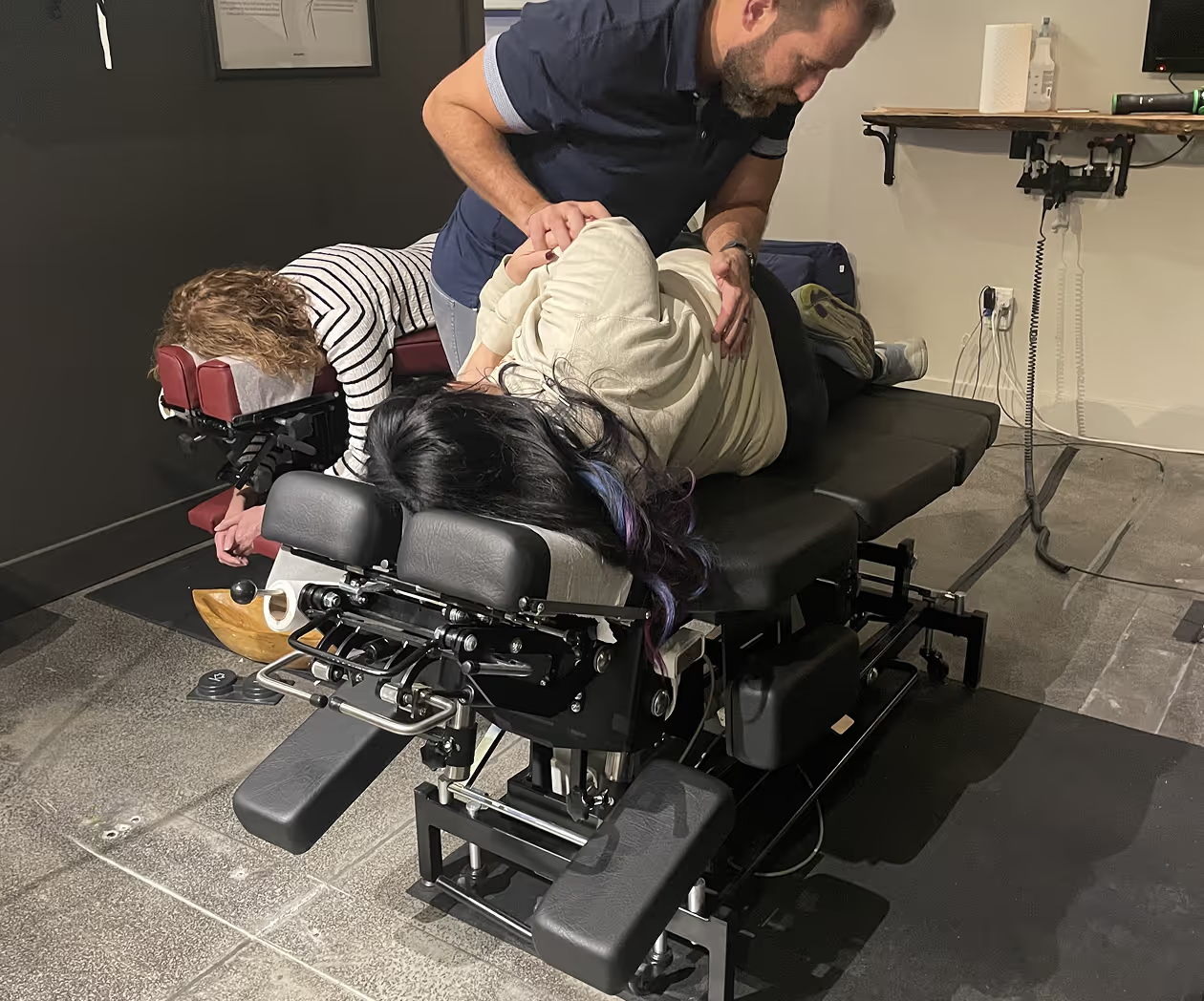
Chiropractic Adjustments
Gentle adjustments can help restore movement and reduce stress on restricted joints.
Spinal Decompression Therapy
This non-surgical treatment uses controlled stretching to help reduce pressure on the discs and nerves.
Physical Rehabilitation & Exercises
The right exercises can help build stability, improve movement, and reduce strain as you get stronger.
Your 12-Week Recovery Timeline
A structured, visual plan of action that replaces uncertainty with a clear path toward health.
WEEKS 1–2
Pain Relief
Reduce nerve irritation, ease discomfort, and improve daily movement with personalized conservative care.
WEEK 3-6
Corrective Care
Improve spinal alignment and mobility through spinal decompression, CBP®, and targeted rehabilitation.
WEEK 7-12
Long-Term Stability
Strengthen supporting muscles, improve posture, and help reduce the risk of future flare-ups.
WEEKS 1–2
Pain Relief
Reduce nerve irritation, ease discomfort, and improve daily movement with personalized conservative care.
WEEK 3-6
Corrective Care
Improve spinal alignment and mobility through spinal decompression, CBP®, and targeted rehabilitation.
WEEK 7-12
Long-Term Stability
Strengthen supporting muscles, improve posture, and help reduce the risk of future flare-ups.
Common Sciatica Symptoms
Sciatica doesn’t always feel the same from one person to the next. For some people, the pain travels down one leg. For others, it feels sharp, burning, or electric, with numbness, tingling, weakness, or heaviness joining in.
Sitting can make the symptoms worse, too. That can turn something as simple as working at a desk, driving across Fayetteville, or settling into a chair at home into a much bigger problem than it should be.
We’ll help you understand what may be contributing to your specific symptoms.

Why We Focus on Conservative Sciatica Care
At Thrive Wellness Center, we start with conservative care whenever it’s appropriate. The goal is to give your body a chance to improve without rushing into more invasive options.
That means:
- No injections or medications
- No pressure toward surgery
- No rushed decisions
You’ll have time to understand what’s going on and what your options are. The focus is on building a structured plan around your condition rather than jumping straight to the most aggressive approach.
Supporting Long-Term Sciatica Relief
Sciatica care isn’t just about calming pain today. It’s about helping your spine move well, reducing stress on irritated nerves, and giving your body the support it needs as you move forward.
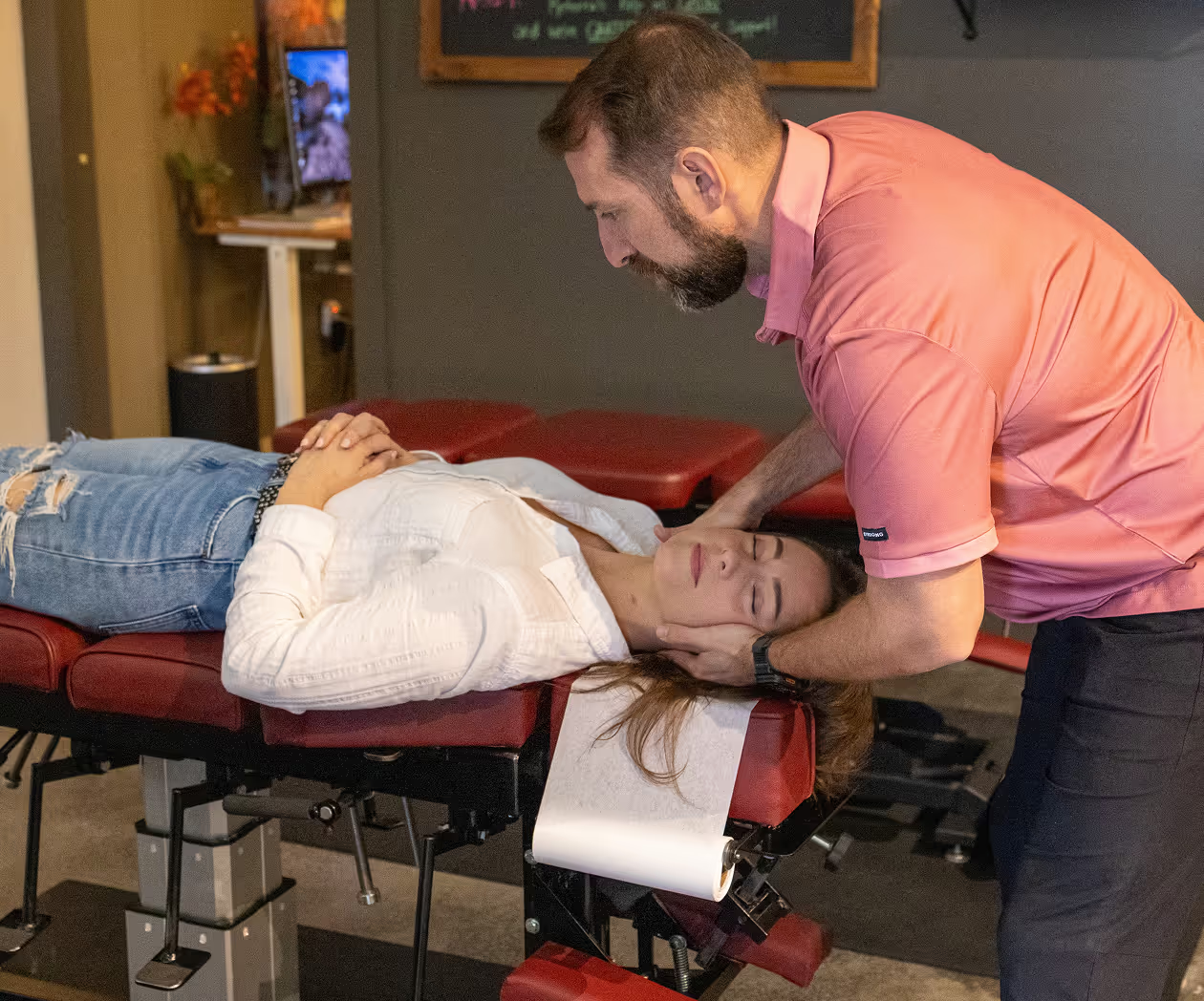
Chiropractic Care
Chiropractic Adjustments
Chiropractic BioPhysics® (Postural Correction)
Physical Rehabilitation & Functional Movement
PEMF Therapy
What You Can Do Before Your Appointment
Stay active with gentle movement, maintain good posture, and use heat or ice for temporary relief.
Home Care Tips
- Gentle stretching as recommended by your chiropractor
- Use proper posture when sitting and standing
- Apply ice for 15–20 minutes to reduce inflammation
- Stay active with low-impact movement like walking
- Avoid prolonged sitting, stand and move every 30 minutes
- Use proper body mechanics when lifting
Red Flags: Seek Immediate Care
- Loss of bowel or bladder control
- Severe or worsening numbness in the legs
- Sudden weakness in the legs or feet
- Pain following a serious injury or trauma
- Fever accompanying back pain
- Unexplained weight loss with back pain
If you experience any of these symptoms, contact a medical professional or visit an emergency room immediately.
What Patients Say About Their Sciatica Relief
"I had my first consultation for some severe sciatic nerve pain towards the beginning of my second trimester and after the first month, I noticed huge improvement in my overall well-being!"
Jamie Baker, Google review
"I recommend thrive wellness center and seen a lot of improvement in my husband. When he arrived the first time with a pain in the sciatic nerve was 3 days without being able to walk. The first day they took x-rays, the second day they saw what he had and they treated him."
Arual Arriaga, Google review
Sciatica Treatment in Fayetteville, AR
Thrive Wellness Center provides sciatica care for patients in Fayetteville, Springdale, Johnson, Farmington, Prairie Grove, and throughout Northwest Arkansas.
Sciatica can make everyday movement harder and take the enjoyment out of things you normally don’t think twice about. You don’t have to figure out what’s causing it on your own.
Why Thrive Is Different
CBP® Certified Expertise
Dr. Ben is the only CBP® (Chiropractic BioPhysics®) certified chiropractor in Fayetteville, providing advanced corrective care focused on long-term spinal health.
600+ Five Star Reviews
Hundreds of patients across Northwest Arkansas have trusted Thrive Chiropractic for compassionate care and lasting results.
Serving Fayetteville Since 2012
Serving Northwest Arkansas for more than a decade, we've proudly helped individuals and families throughout the community improve their health and quality of life.
A Comprehensive Approach to Lasting Sciatica Relief
Spinal Decompression
Gently relieves pressure on spinal discs and irritated nerves to help reduce pain, improve mobility, and support the body's natural healing process.
CBP® Structural Correction
Improves spinal alignment and posture by addressing the structural cause of sciatica, helping reduce recurring symptoms over time.
PEMF Therapy
Uses pulsed electromagnetic energy to help reduce inflammation, support tissue healing, and complement your overall recovery plan.
Frequently Asked Questions
Sciatica occurs when the sciatic nerve, the largest nerve in the body, becomes irritated or compressed. The most common causes include herniated or bulging discs in the lower spine, spinal stenosis (narrowing of the spinal canal), joint restriction in the lower back or pelvis, muscle tightness (especially in the piriformis muscle), and poor posture or alignment that places ongoing stress on the nerve. Identifying the specific cause is essential for effective treatment, which is why we start with a thorough evaluation.
Most patients begin to notice improvement within the first 2-4 weeks of care. A typical sciatica treatment plan at Thrive runs 8-12 weeks, with care progressing through three phases: acute relief (reducing pain and inflammation), correction (addressing the structural cause), and stabilization (strengthening and prevention). The timeline depends on what's causing the nerve irritation and how long the condition has been present. Chronic sciatica that has been building for months or years may take longer to fully resolve.
Spinal decompression is one of the most effective conservative treatments for sciatica caused by disc issues. The therapy gently stretches the spine to create negative pressure within the disc, which can help retract bulging or herniated material and reduce pressure on the sciatic nerve. At Thrive, we often combine decompression with chiropractic adjustments and rehabilitation exercises for a more comprehensive approach. Not every sciatica case requires decompression, and we'll recommend it only when it's appropriate for your specific condition.
Some mild cases of sciatica do resolve on their own over time, but many do not, especially when the underlying cause involves a structural issue like a disc herniation or spinal misalignment. Even when symptoms temporarily improve, the nerve irritation often returns if the root cause isn't addressed. Conservative care focuses on resolving the source of the problem so the pain doesn't keep coming back.
Prolonged sitting is one of the most common aggravators, especially on soft surfaces or without lumbar support. Other factors include heavy lifting with poor form, bending and twisting motions, standing for long periods, and sleeping in positions that place stress on the lower spine. Inactivity can also worsen sciatica over time because weakened core and back muscles provide less support for the spine.
Both can be helpful, but they serve different purposes. Ice is generally better in the first 48-72 hours when there is acute inflammation. It helps reduce swelling and numb sharp pain. After the initial acute phase, heat can help relax tight muscles and improve blood flow to the area. Many patients alternate between the two. However, heat and ice only address symptoms temporarily. They don't resolve the underlying nerve compression, which is why professional evaluation and care are important.
Caring for Communities Across Northwest Arkansas
We're proud to serve patients across Fayetteville, Springdale, Rogers, Bentonville, Johnson, Farmington, Prairie Grove, and surrounding Northwest Arkansas communities, including the University of Arkansas community, with personalized chiropractic care for every stage of life.
Latest from the Blog
How To Prevent Sciatica Pain
The Top Causes Of Sciatica Revealed
What Is Sciatica?
Find Relief from Sciatic Pain
Sciatic pain can affect more than how you move. It can make work uncomfortable, disrupt your sleep, and make everyday activities harder than they used to be.
At Thrive Wellness Center, a personalized evaluation can help you understand what may be contributing to the pain and what your next steps could look like.