CARPAL TUNNEL TREATMENT IN FAYETTEVILLE, AR
Relief From Carpal Tunnel Starts With Reducing Nerve Stress, Not Just Treating the Wrist
That pins-and-needles feeling, hand weakness, or waking up with a numb hand can make typing, driving, or gripping things uncomfortable.
Get clear answers. Gentle care. No rushed decisions.
What Is Carpal Tunnel Syndrome?
Carpal tunnel syndrome happens when the median nerve gets compressed as it passes through the wrist. That nerve helps control sensation and movement in parts of your hand and fingers, so irritation can lead to numbness, tingling, or weakness. According to the American Academy of Orthopaedic Surgeons, carpal tunnel syndrome affects up to 5% of adults.
Symptoms often develop gradually. They may start as occasional numbness or tingling, particularly at night, and become more noticeable as the condition progresses. NIAMS notes that symptoms can eventually occur during the day, especially during activities that involve the hand and wrist.
Identifying where the nerve is actually being affected matters when evaluating persistent numbness, tingling, or weakness.
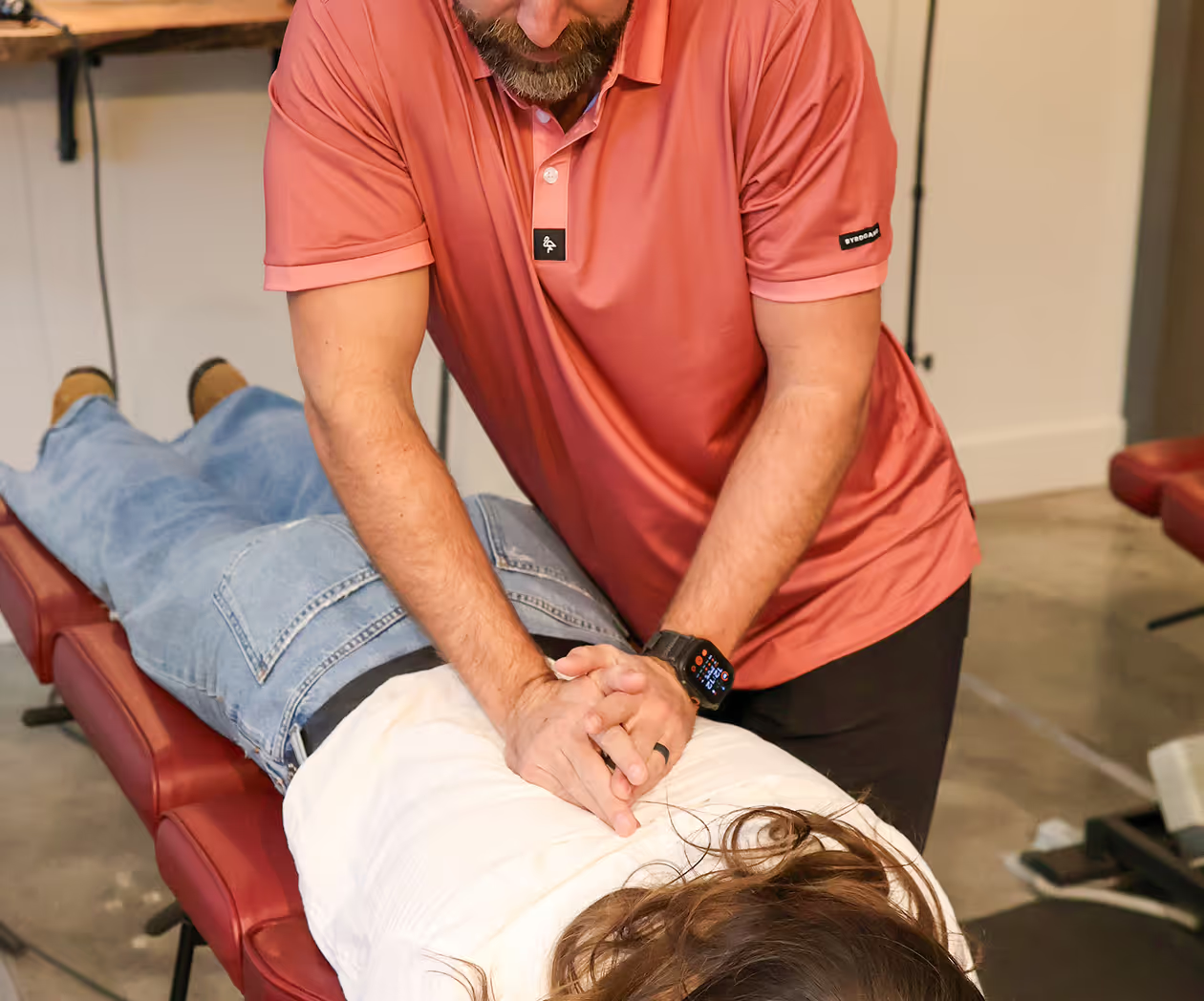
Numbness & Other Symptoms
Not every case of hand numbness is carpal tunnel syndrome. The pattern of your symptoms can give us important clues about where the problem may be coming from.
Numbness or tingling in the hand can have other causes. Looking at which fingers are affected, when symptoms appear, whether strength has changed, and what movements make them worse can help determine whether the symptoms fit the typical pattern of carpal tunnel syndrome or need further evaluation.
Symptoms that can fit the typical carpal tunnel pattern include:
- Numbness or tingling in the thumb, index, middle, and part of the ring finger
- Symptoms that are worse at night or wake you from sleep
- A feeling of pins and needles that comes and goes
- Weakness when gripping or pinching
- Difficulty with tasks that require fine hand movements
- Weakness or wasting of the muscles at the base of the thumb in more advanced cases

Common Reasons Carpal Tunnel Treatment Doesn’t Work
A wrist brace, rest, or other conservative treatment may reduce carpal tunnel symptoms for a while without resolving them permanently. The reason behind this is because many nonsurgical treatments provide only limited or short-term relief, while corticosteroid injections do not provide long-term improvement.
Treatment may fall short when:
The diagnosis isn't clear
Numbness and tingling can have causes other than carpal tunnel syndrome, so treating the wrist without confirming the pattern can miss the actual problem.
Symptoms have become more persistent
Chronic or untreated CTS can progress to constant numbness, weakness, and difficulty with fine hand movements.
The treatment only addresses short-term symptoms
Some nonsurgical options can help temporarily but may not provide lasting improvement.
The underlying cause isn't being considered
CTS can be associated with factors such as wrist injury, diabetes, rheumatoid arthritis, fluid retention, and mechanical changes around the wrist.
How We Evaluate Carpal Tunnel Symptoms at Thrive
Hand numbness and tingling can have different causes, so the first step is figuring out whether your symptoms fit the typical pattern of carpal tunnel syndrome.
Symptom History & Evaluation
We look at which fingers are affected, when symptoms appear, changes in grip strength, and how your neck, shoulder, arm, and wrist are functioning.
X-Rays When Appropriate
X-rays may be used when clinically necessary to assess the spine or other structures. They do not diagnose carpal tunnel syndrome itself.
Chiropractic Care
Based on your evaluation, care may include chiropractic adjustments, Chiropractic BioPhysics®, and targeted treatment for the areas contributing to your symptoms.
Rehabilitation & Movement
Exercises may be added to improve strength, mobility, and how the affected area handles everyday movement.
Why We Start With Conservative Carpal Tunnel Care
Getting help for hand numbness or pain can feel overwhelming. You may not know what is causing it, what treatment you need, or whether treatment itself is going to hurt.
That is why Dr. Ben Ozanne starts with conservative care when it is appropriate. The first step is to see how your symptoms respond to less invasive options before considering more involved treatments.
That can mean:
- No injections as the first step
- No medication as the first step
- No pressure toward surgery
All while getting and feeling better!
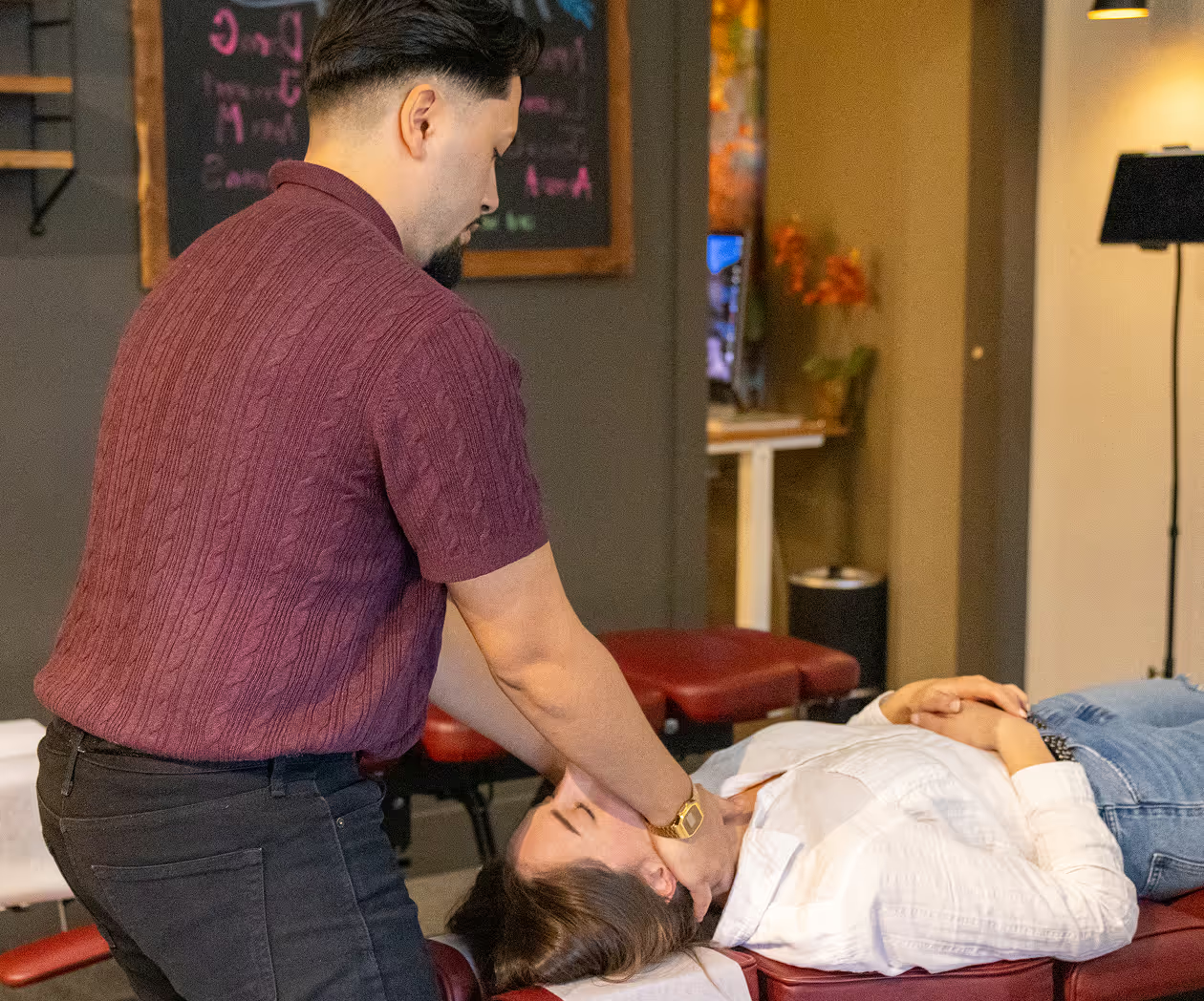
What We May Use to Treat Carpal Tunnel
Carpal tunnel care doesn’t always come down to one treatment. At Thrive, different services can work together to address nerve stress, movement, and the way your body functions as a whole.
Depending on what your evaluation shows, your care may include:
Chiropractic Care
Chiropractic Adjustments
Physical Rehabilitation & Functional Movement
Chiropractic BioPhysics® (Postural Correction)
PEMF Therapy
What Patients Say About Their Carpal Tunnel Relief
“My hand numbness and wrist pain were affecting my work. Thrive helped identify what was really causing it, and the improvement has been incredible.”
— Melissa B.
Carpal Tunnel Treatment in Fayetteville, AR
Thrive Wellness Center helps patients with carpal tunnel symptoms throughout Fayetteville, Springdale, Johnson, Farmington, Prairie Grove, and Northwest Arkansas.
If hand or wrist symptoms are interfering with your daily life, a thoughtful evaluation can help clarify your options.
Get to the Root of Your Carpal Tunnel
When your hand keeps going numb, tingles at night, or hurts when you use it, it can start changing how you work, sleep, and get through the day. You may have tried a brace, rested your wrist, or simply learned to put up with it.
You don't have to keep guessing whether it's carpal tunnel or something else. Thrive Wellness Center can evaluate your symptoms and help you understand what may be contributing to them, what your options are, and whether conservative care is appropriate.
Thrive Wellness Center provides carpal tunnel care in Fayetteville and for patients in Springdale, Johnson, Farmington, Prairie Grove, and throughout Northwest Arkansas.