Herniated Disc Lower Back Pain: Symptoms and Treatment
August 19, 2026
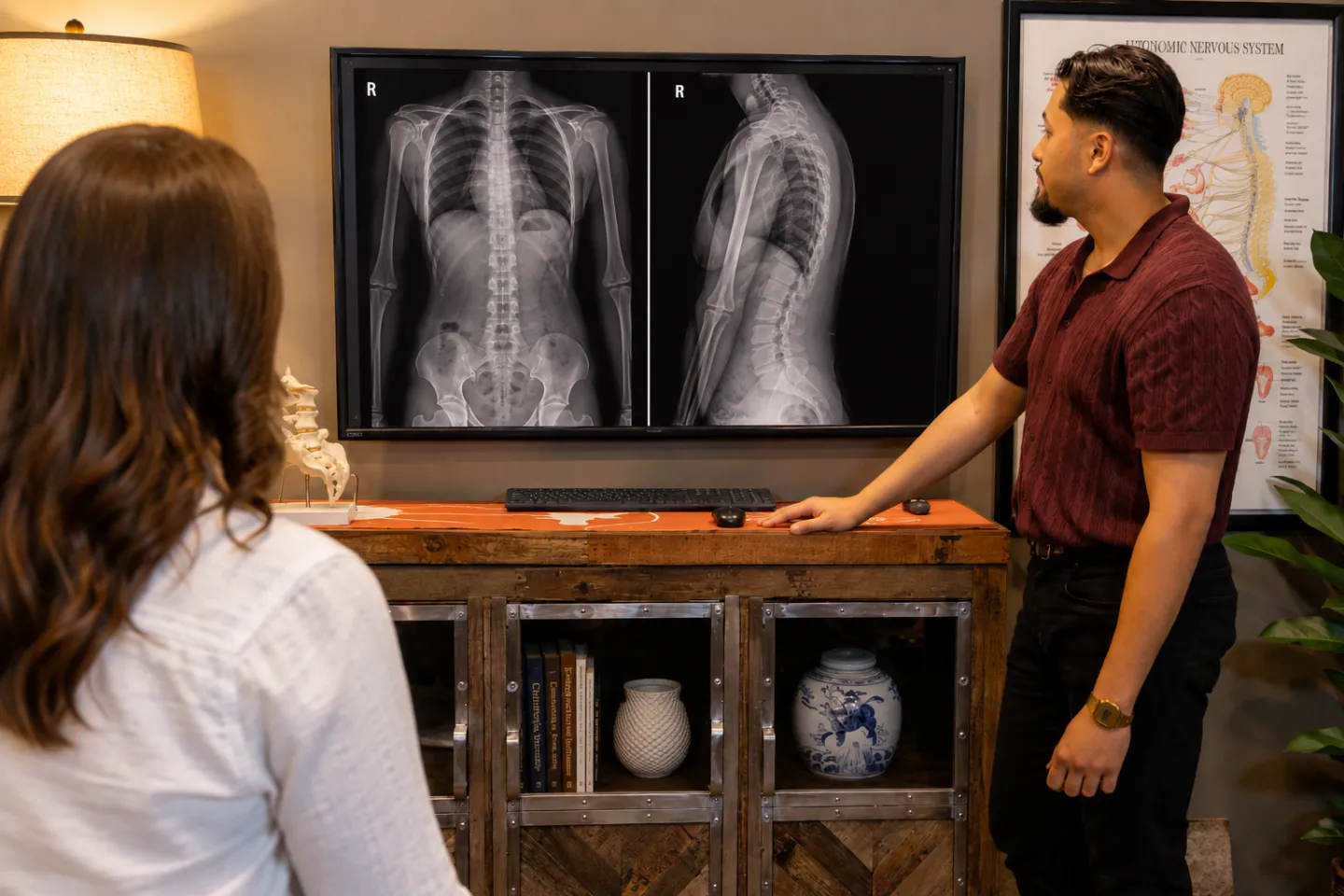
Herniated discs are especially common between ages 30 and 50, and the pain isn’t always felt where the problem actually is.
A disc in your lower back can irritate a nearby nerve and cause symptoms much farther down your body. That may mean pain through your buttock or leg, tingling in your foot, or weakness that makes standing and walking more difficult.
The important part is figuring out whether a herniated disc is actually behind what you’re feeling and what can be done about it. Below, we break down the symptoms to look for, what you can safely do at home, and when it may be time to consider professional treatment.
Key Takeaways
- Herniated disc symptoms can include lower back pain, sciatica, numbness, tingling, and leg or foot weakness.
- Pain can travel down the leg when a herniated disc irritates or puts pressure on a nearby nerve.
- Gentle movement and short walks are generally preferred over spending long periods in bed.
- Worsening weakness, trouble walking, groin numbness, or bladder or bowel changes need prompt medical attention.
- Treatment varies by patient and may include chiropractic care, spinal decompression, and functional rehabilitation.
What Does Herniated Disc Lower Back Pain Feel Like?
Not every herniated disc causes symptoms. The trouble usually starts when displaced disc material irritates or puts pressure on a nearby nerve. Where you feel the pain, numbness, or weakness depends on which nerve is affected.
Why does a herniated disc cause leg pain, too?
The nerves that leave your lower spine travel into your buttocks and legs. When a herniated disc irritates one of these nerve roots, you can feel symptoms anywhere along that nerve’s path. This radiating nerve pain is often called sciatica.
Lumbar disc herniation symptoms can include:
- A deep ache or sharp pain in the lower back
- Pain that travels through the buttock and down one leg
- Burning, tingling, or numbness in the leg or foot
- Pain that gets worse when sitting, bending, coughing, or sneezing
- Weakness in the leg or foot, such as difficulty lifting the front of your foot or standing on your toes
Pay particular attention to weakness rather than pain alone. Increasing leg weakness, difficulty walking, numbness around the groin or buttocks, or changes in bladder or bowel control need prompt medical evaluation rather than waiting to see if the pain settles.
How Should You Respond to a Slipped Disc at Home?
You don’t need to spend days lying still because your back hurts. In fact, too much bed rest can leave you stiffer and weaker. The better approach is usually to scale things back temporarily while still moving as much as your symptoms comfortably allow.
For the first few days, that might look like:
- Taking short, easy walks instead of sitting or lying down for hours
- Avoiding heavy lifting, repeated bending, twisting, or anything that noticeably sends pain farther down your leg
- Using a cold pack for pain and swelling during the first few days, then trying gentle heat if it feels better
- Changing position regularly, if prolonged sitting aggravates your symptoms
- Using over-the-counter pain medication if it is safe and appropriate for you
- Returning to normal activities gradually rather than trying to push through significant pain
You don’t need to find the “perfect” stretch or exercise on day one. If a particular movement sharply increases your pain, numbness, or tingling, especially if those symptoms travel farther down the leg, stop and get guidance before continuing.
Does Rest Ever Help a Herniated Disc?
Yes, but think short breaks rather than bed rest.
If pain flares after an activity, resting in a comfortable position for a little while can help settle it. Once you can, get up for a short walk or light activity again. Staying in bed for long periods can make your joints stiff and your supporting muscles weaker, which may make getting moving again more difficult.
When Does Home Care Stop Being Enough?
What matters most is the direction your symptoms are going.
If the pain is gradually becoming easier to manage and you can do a little more from week to week, home care may still be appropriate. If there is little improvement after a few weeks, pain keeps interfering with normal activities, or numbness and leg symptoms are becoming more noticeable, it’s worth getting evaluated rather than repeatedly treating the flare-up at home.
Get medical attention sooner if you develop new or worsening muscle weakness, difficulty walking, numbness around the groin or buttocks, or problems controlling your bladder or bowels. Those symptoms can indicate more significant nerve compression and shouldn’t be managed with home remedies alone.
What Does Herniated Disc Treatment Look Like at Thrive?
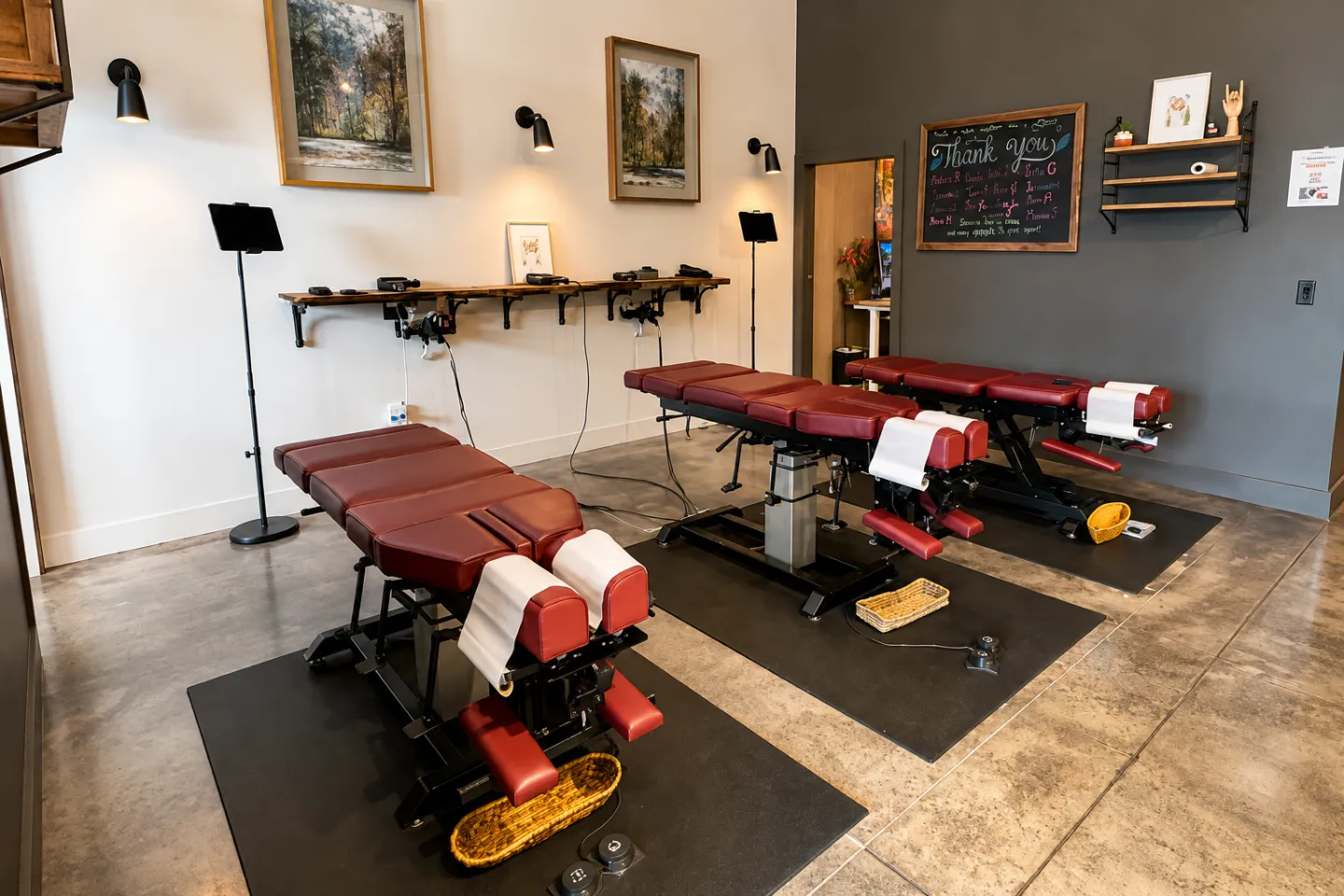
There isn’t one treatment that works for every herniated disc. Your symptoms, how long you’ve had them, whether a nerve is involved, and how much the problem is affecting your movement all influence what happens next.
At Thrive Wellness Center, the first step is an evaluation rather than jumping straight into treatment. Your visit includes a consultation and physical examination so the team can better understand your symptoms and how your spine is moving. Digital X-rays may also be used to assess the structure and alignment of the spine when appropriate.
From there, care is tailored to what the evaluation finds rather than following the same plan for every patient.
What Can a Herniated Disc Care Plan Include?
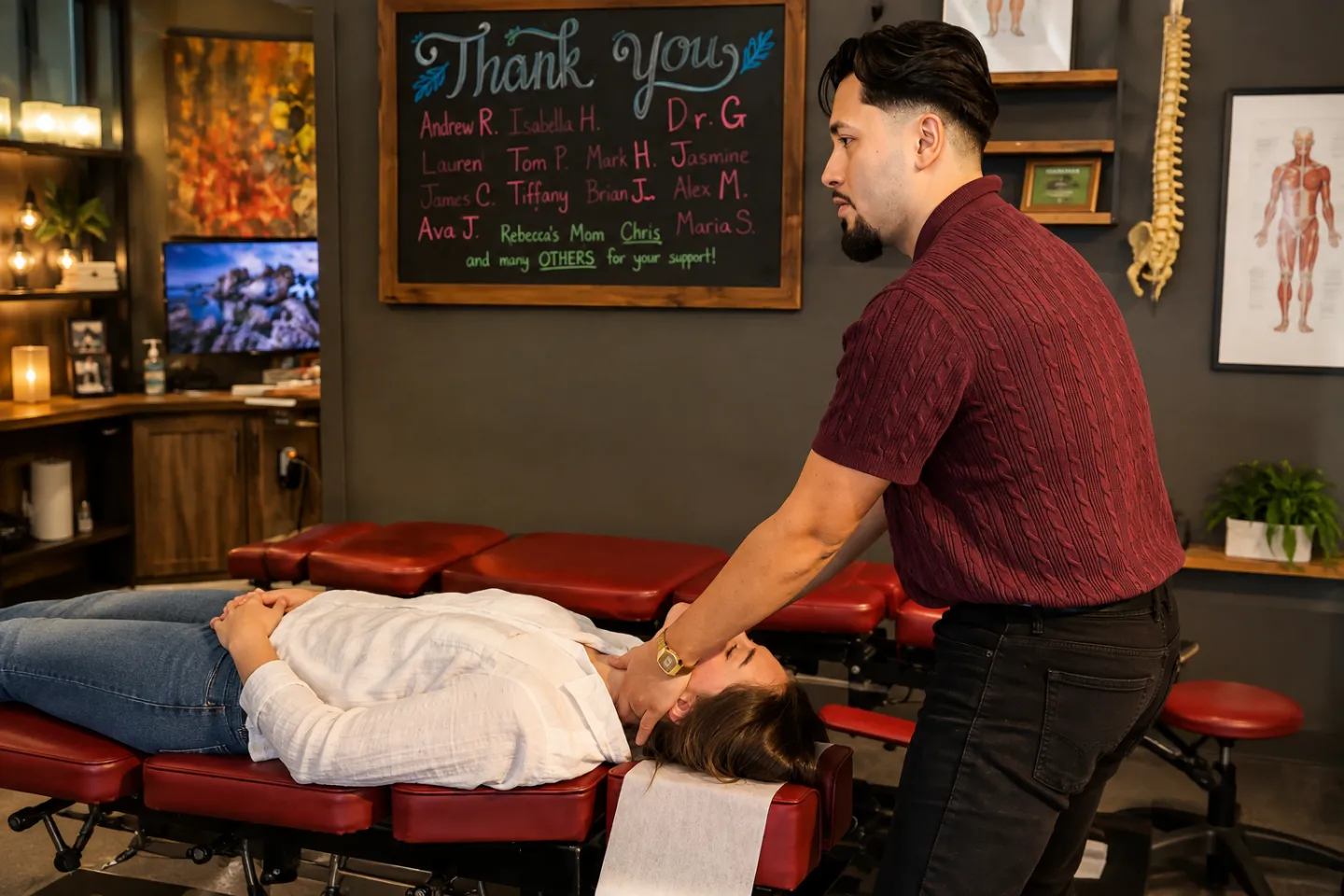
Depending on your symptoms and examination findings, Thrive may use a combination of chiropractic care, spinal decompression, and functional rehabilitation.
- Chiropractic care: Used to address spinal movement and alignment as part of the overall care plan.
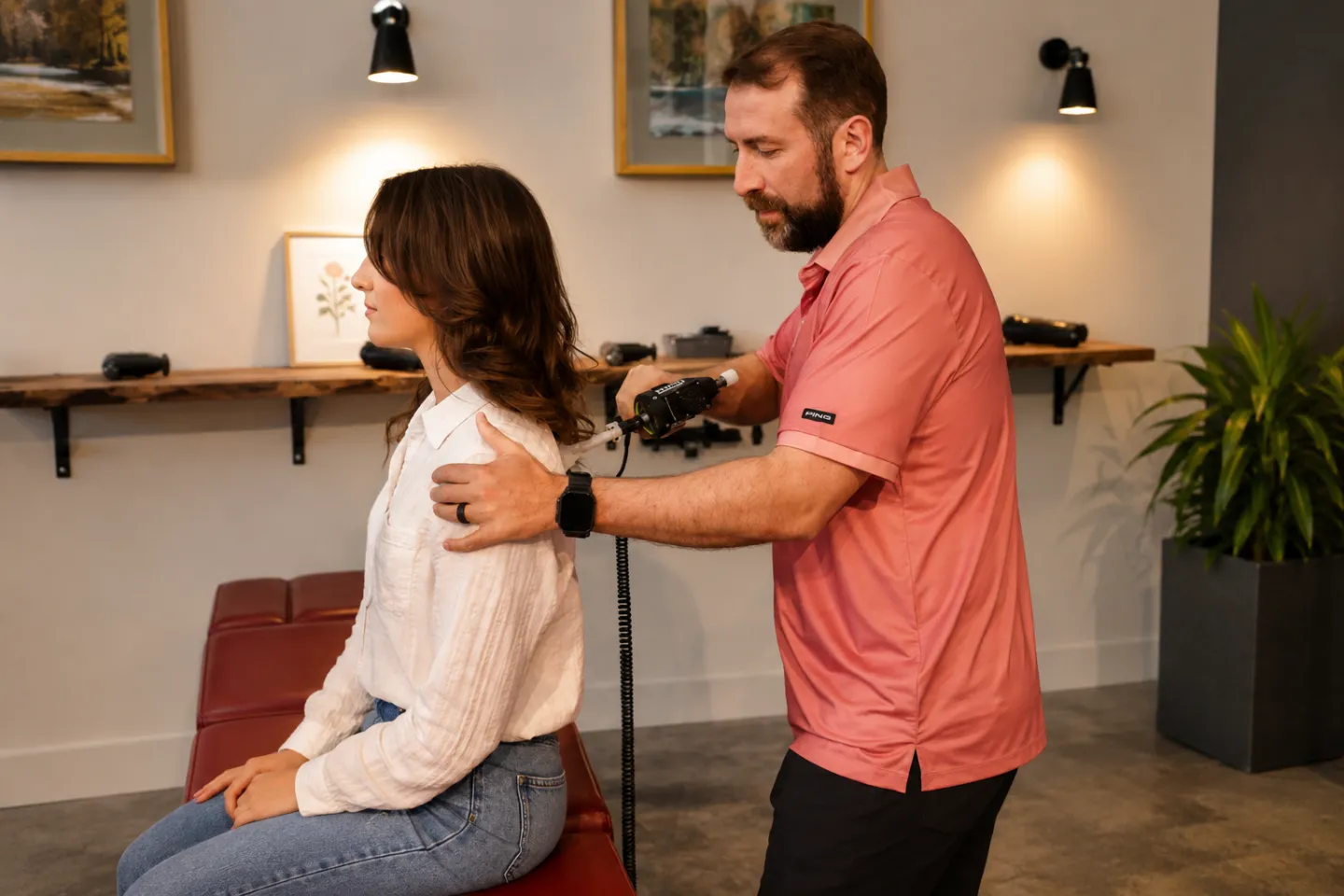
- Spinal decompression: A non-surgical treatment that applies controlled traction to the spine with the goal of reducing pressure and improving comfort.
- Functional rehabilitation: Exercises and movement work designed to rebuild strength, mobility, and confidence in everyday movement.
Dr. Ozanne and Thrive’s chiropractors are trained in Chiropractic BioPhysics® (CBP®), a structured chiropractic approach that incorporates posture and spinal alignment into assessment and care.
Your plan may also change as you improve. Early visits may focus more on getting pain and irritated movement under control, while later care can place greater emphasis on strength, mobility, and the activities you want to get back to.
There is no single herniated disc recovery timeline. Some people improve over several weeks with conservative care, while others need additional medical evaluation or treatment if symptoms persist or neurological symptoms worsen.
Why Choose Thrive for Herniated Disc Care?
Living with back or leg pain can affect far more than exercise. Sitting through work, sleeping comfortably, driving, or simply getting through the day can become difficult.
Thrive Wellness Center works with patients across Northwest Arkansas who are dealing with back pain and related spinal problems. Rather than assuming every case needs the same treatment, the goal is to understand what is limiting you first and build care around those findings.
If your symptoms are not improving, or you’re unsure what your next step should be, an evaluation can help determine whether conservative care at Thrive is appropriate or whether further medical assessment is needed.

Dr. Ben Ozanne
Chiropractor and Owner of Thrive Wellness Center
Latest from the Blog

Why Your Chronic Lower Back Pain Keeps Coming Back
Muscle Strain vs. Something Worse: Understanding Your Lower Back Pain
A strain usually stays put and eases day by day. Pain that travels into your leg, or comes with numbness, tingling, or weakness, is a different signal. Here is how to tell them apart and when to stop watching and get evaluated.
Injured Your Lower Back? Here's What Happens Next
Most lower back injuries improve on their own, but the first 48 hours matter. Here's what to do first, what to avoid, and when to have your back checked.