Muscle Strain vs. Something Worse: Understanding Your Lower Back Pain
August 19, 2026
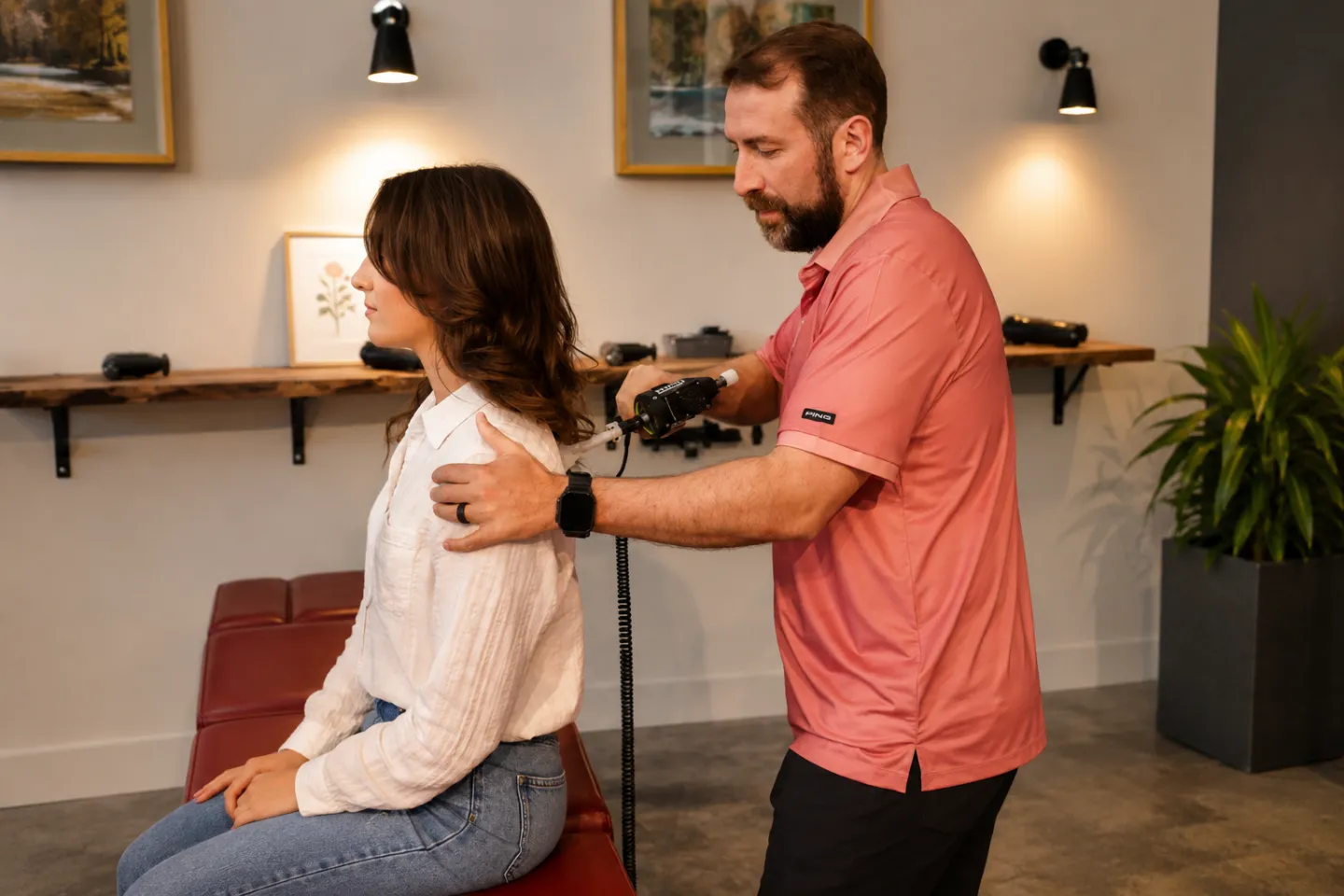
You bend down to pick something up, feel a pull in your lower back, and suddenly standing up straight hurts. Sometimes you know exactly what caused it. Other times, you wake up sore and have no idea what you did.
Either way, the question is usually the same: Did I pull a muscle, or is something else causing the pain?
A strain can leave your lower back sore, tight, tender, or in spasm. The pain usually stays around the injured area. Pain that shoots down your leg, numbness, weakness, or symptoms that keep getting worse are different and shouldn’t simply be written off as a pulled muscle.
If the pain isn’t settling or you’re noticing symptoms that don’t fit a typical strain, Thrive Wellness Center in Fayetteville can evaluate what’s actually causing it and whether your muscles, joints, or nerves may be involved.
Key Takeaways
- A muscle strain usually stays close to the injured area. It may feel sore, tight, tender, or spasmy and often hurts more when you bend, twist, stand up, or use those muscles.
- Pay attention to where the pain goes. Pain that travels into your buttock or leg, especially with tingling, numbness, or weakness, is worth having evaluated rather than assuming you pulled a muscle.
- Don’t judge your back by the calendar alone. What matters is whether everyday movements are gradually getting easier. Pain that is spreading, worsening, or bringing new symptoms deserves a closer look.
- Some symptoms shouldn’t be watched at home. New bladder or bowel problems, numbness around the groin or inner thighs, or significant or worsening leg weakness need urgent medical assessment.
What Does a Muscle Strain Feel Like?
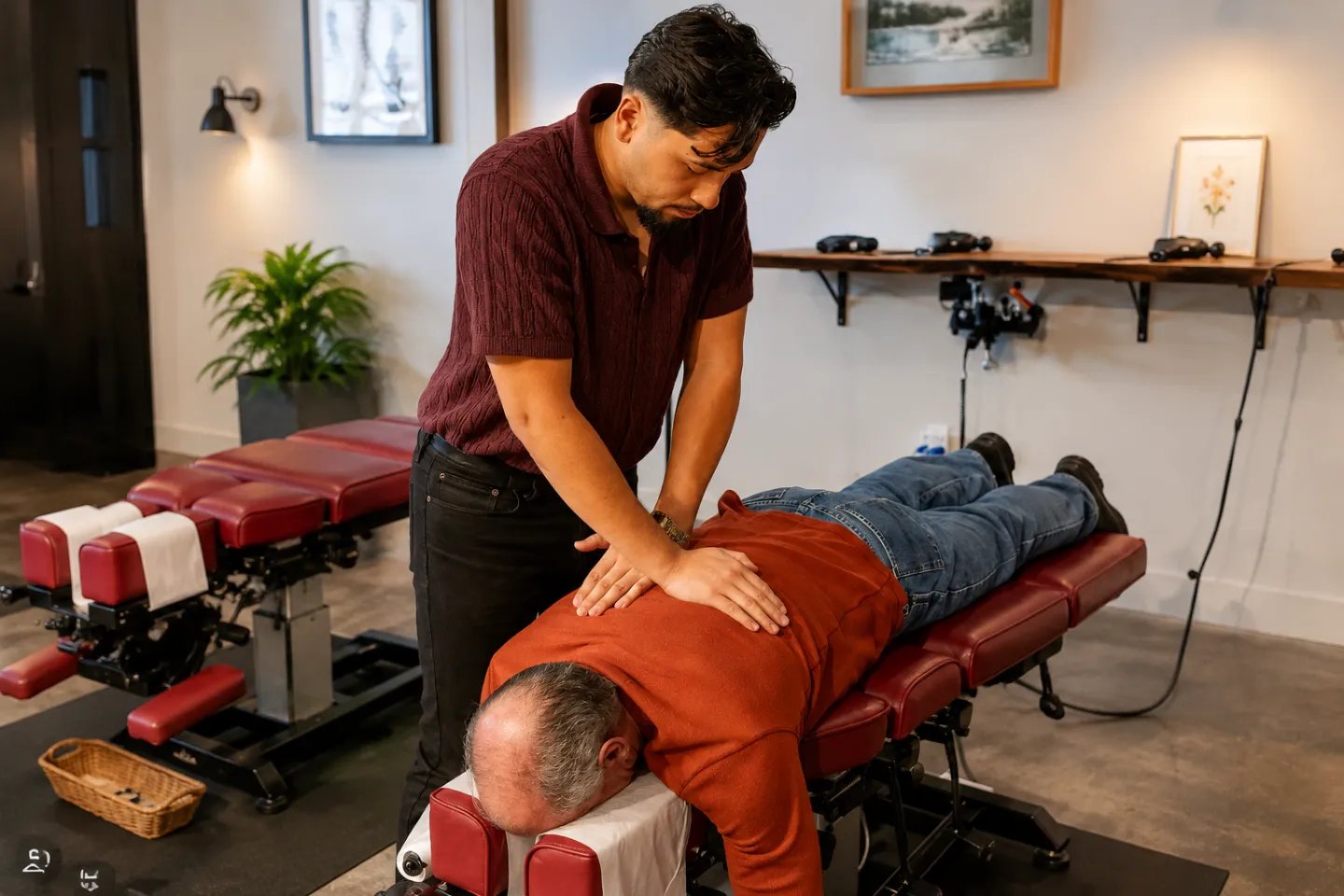
A lower back strain often feels like an ache, tightness, or tenderness that you can pinpoint to one area. You may notice it immediately after lifting, twisting, or making a sudden movement, although an overuse strain can build more gradually.
A strain happens when muscle or tendon fibers are stretched or torn. A sprain is different: it affects the ligaments that connect bones. The two can feel very similar, which is why symptoms alone don't always tell you exactly which tissue has been injured.
Is Lower Back Pain From a Muscle or Something Else?
Pay attention to where the pain goes and what happens when you move.
Muscle pain often stays in the lower back and becomes more noticeable when you bend, twist, stand up, or use the injured muscles. You may also find that your back suddenly “grabs” or spasms, or that you can't move through your usual range comfortably.
Nerve pain tends to behave differently. It may travel from the lower back into the buttock or leg and can come with tingling, numbness, or weakness. Those symptoms don't automatically tell you what is causing the pain, but they are a reason to have it properly evaluated rather than assuming you pulled a muscle.
Signs Your Lower Back Pain May Be a Strain
A strain becomes more likely when the pain started after lifting, twisting, exercising, or another activity that put extra load on your back.
You may notice:
- An aching or sore area you can locate in your lower back
- Tightness or stiffness
- Muscle spasms or cramping
- Pain that gets worse when you bend, twist, or move
- Tenderness around the injured area
- Difficulty standing straight or moving as freely as usual
Back strains can hurt enough to make ordinary things like getting out of a chair, putting on shoes, and rolling over in bed surprisingly difficult. What matters next is whether those symptoms begin to settle or whether the pain starts behaving less like a straightforward muscle injury.
When Does Back Pain Signal Something Worse?
A sore back after moving furniture is one thing. Pain that starts running down your leg, wakes you repeatedly at night, or leaves your leg feeling weak is another.
You also don't need to wait two weeks just because that's a common recovery window for a strain. How your symptoms are changing matters just as much as how long you've had them. If each day is a little easier, that's reassuring. If the pain is spreading, becoming more intense, or new symptoms are appearing, it's worth getting checked.
When Should You Have Your Back Pain Evaluated?
Think about what you could do before the pain started. Can you still sit through work? Get comfortable enough to sleep? Walk normally? Put on your shoes without severe pain?
An evaluation makes sense when pain isn't improving as expected, keeps returning, or is interfering enough that you're changing your day around it. You should also get checked if you develop pain that travels into the leg, numbness, tingling, or weakness rather than waiting to see whether it disappears on its own.
When Is It Reasonable to Monitor Back Pain at Home?
If you can trace mild soreness to something you did (an unfamiliar workout, lifting a heavy box, or an awkward movement) and it's already starting to ease, monitoring it for a short period may be reasonable.
The pattern should generally be moving in the right direction. You might still be sore when you bend or get out of bed, but you shouldn't be watching the pain become stronger or noticing new symptoms each day.
Don't wait for a routine appointment if back pain comes with new loss of bladder or bowel control, numbness around the groin or inner thighs, or significant or worsening leg weakness. These can be signs of serious nerve compression and need urgent medical assessment.
How Can Thrive Wellness Center Help You Decide?

Sometimes you know exactly what happened to your back: you lifted something heavy, twisted, and felt the pain immediately. Other times, there isn't an obvious cause, or what seemed like a pulled muscle isn't getting better.
At Thrive Wellness Center in Fayetteville, the first step is figuring out which of those situations you're dealing with. That means looking at more than where it hurts. Your chiropractor will ask how the pain started, what movements make it worse, whether it travels into your leg, and whether you've noticed symptoms such as numbness or weakness.
What Happens During the First Visit?
Expect to talk before treatment starts. Your health history, symptoms, and goals are reviewed, followed by an examination that looks at things such as your posture, range of motion, movement, and neurological function.
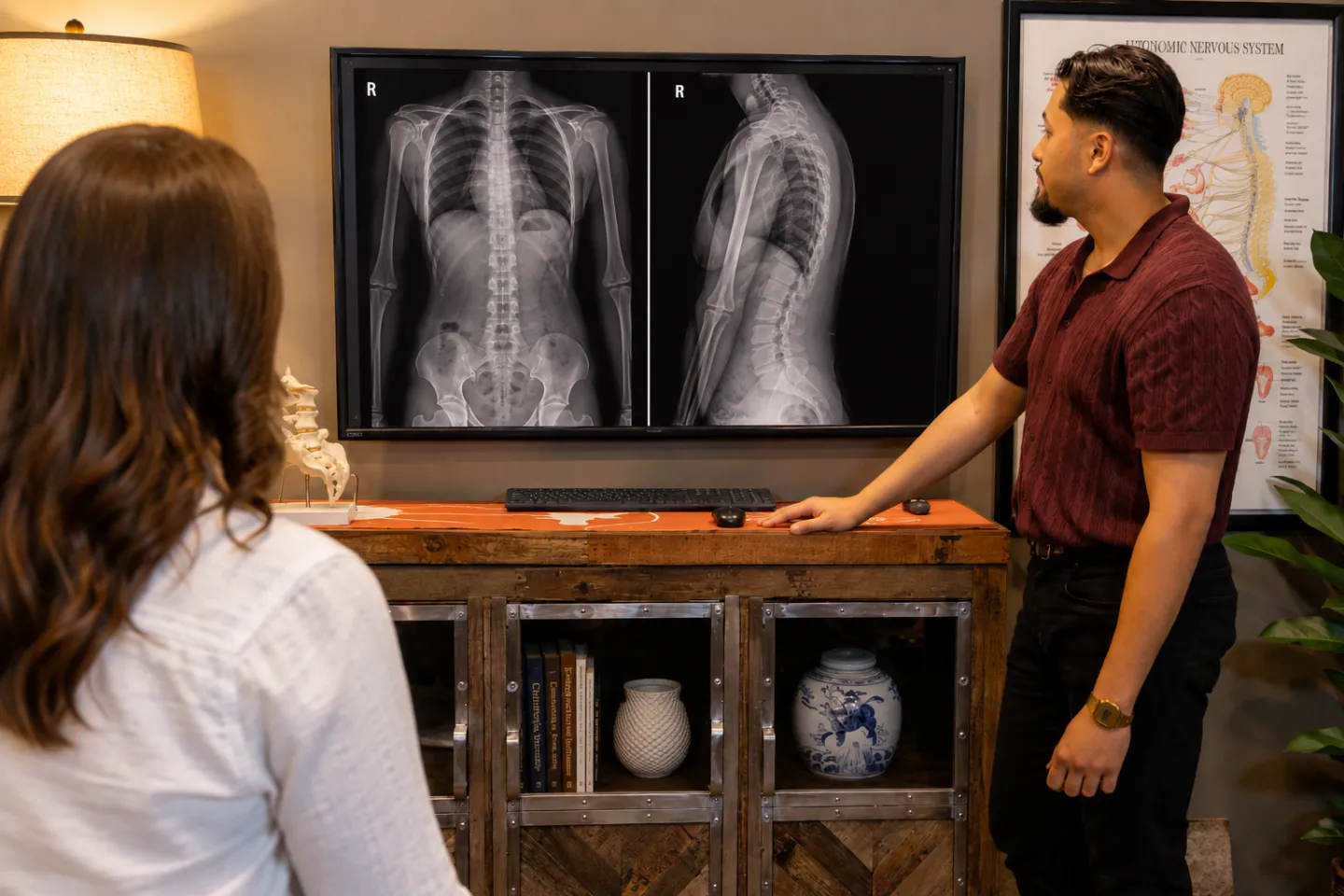
Digital X-rays may also be taken if they're clinically indicated. Not every person with lower back pain needs an X-ray, and Thrive states that imaging is used when needed rather than automatically for every patient.
Depending on what the examination shows, an adjustment may be appropriate at the first visit. Your recommended care may also include rehabilitation, spinal decompression, or other therapies based on your findings.
This is everything you need to know about your first visit.
Who Will Evaluate Your Lower Back Pain?
Thrive's chiropractors use the examination to work out whether your symptoms fit a relatively straightforward muscle injury or whether there are signs that something else may be involved.
This is also where the details you've noticed at home become useful. Tell your chiropractor if the pain shoots into your leg, whether certain movements trigger it, what you were doing when it started, and whether you're experiencing tingling, numbness, or weakness. Those details can help guide the physical and neurological examination and determine whether further evaluation or imaging is appropriate.
Frequently Asked Questions
How can I tell if my lower back pain is just a muscle strain?
Think about how the pain started and where you feel it. A strain is more likely after lifting, twisting, exercising, or another movement that overloaded the back, with pain that stays fairly localized. Pain traveling into a leg, especially with numbness, tingling, or weakness, may mean a nerve is involved and is worth having evaluated.
How long does a lower back muscle strain take to heal?
There isn't an exact day when a strained back should suddenly feel normal again. Mild strains may improve within days, while more significant strains can take several weeks. What you want to see is progress: everyday movements should gradually become easier rather than the pain staying the same or getting worse.
Can I still move around with a strained lower back?
Usually, yes. You don't necessarily need to spend days in bed because your back hurts. Gentle movement and gradually returning to normal activities are generally preferred for uncomplicated acute lower back pain, as long as you're not pushing through severe or worsening symptoms.
What back pain symptoms need urgent medical attention?
Seek urgent medical care if back pain comes with new bladder or bowel problems, numbness around the groin or inner thighs, or significant or worsening weakness in the legs. These symptoms can indicate serious nerve compression and shouldn't be watched at home to see if they improve.
What happens during a first visit to Thrive Wellness Center for lower back pain?
Your visit starts with a conversation about the pain and your health history, followed by an examination of how your body is moving and functioning. Digital X-rays may be taken when clinically indicated. Depending on what the examination shows, your chiropractor will discuss whether an adjustment or other care is appropriate.
Should I rest at home or see a chiropractor for my back pain?
If the pain is mild, you know what triggered it, and it's getting a little better each day, you may be able to monitor it at home while staying gently active. If it's worsening, keeps returning, interferes with sleep or normal activities, or comes with symptoms in your leg, an evaluation can help determine what's actually going on.

Dr. Ben Ozanne
Chiropractor and Owner of Thrive Wellness Center
Latest from the Blog

Why Your Chronic Lower Back Pain Keeps Coming Back
Herniated Disc Lower Back Pain: Symptoms and Treatment
A herniated disc in your lower back can send pain, tingling, or weakness all the way into your leg and foot. Here is what the symptoms feel like, what helps in the first few days, and the warning signs that mean you should stop managing it at home.
Injured Your Lower Back? Here's What Happens Next
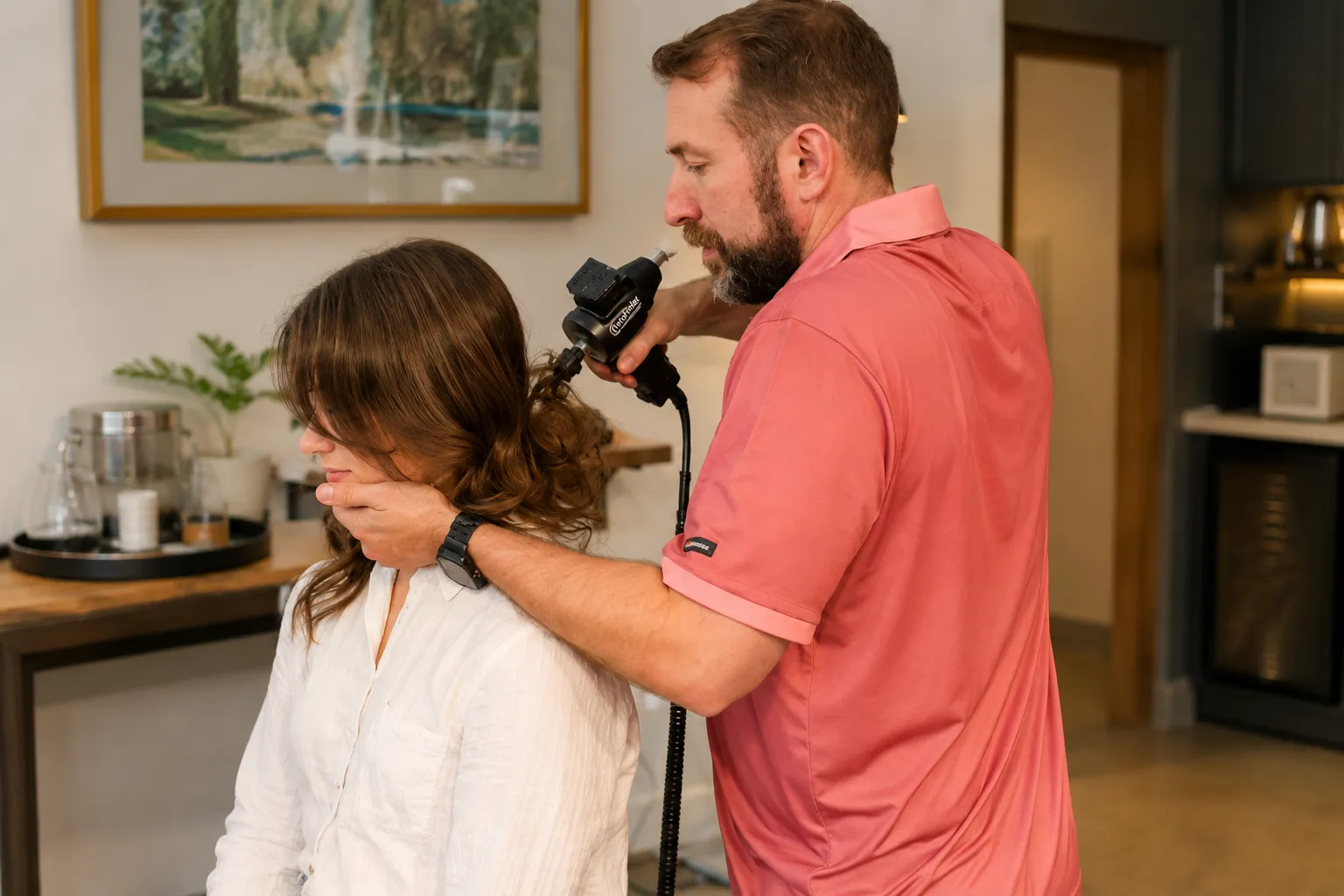
Most lower back injuries improve on their own, but the first 48 hours matter. Here's what to do first, what to avoid, and when to have your back checked.