SHOULDER PAIN TREATMENT IN FAYETTEVILLE, AR
Shoulder Pain Relief Starts With Restoring How Your Body Moves
The shoulder works closely with your neck, upper back, and surrounding muscles, so the painful area isn't always the only thing worth looking at. At Thrive Wellness Center, we look at it all!
Why Shoulder Pain Develops
Your shoulder has a huge range of motion, which is part of what makes it useful and also what can make it vulnerable to strain. Repetitive activity, a previous injury, reduced mobility, muscle weakness, or changes in how you hold and move your body can all play a role in shoulder pain.
The shoulder also doesn't work by itself. Your neck, upper back, shoulder blade, and surrounding muscles all help control how the shoulder moves. When one part isn't doing its job well, another area may have to pick up the slack.
At Thrive, we look at those connections rather than treating the painful spot in isolation.

Why Shoulder Pain Often Keeps Coming Back
Shoulder pain can settle down for a while and then show up again when you return to your usual activities. Rest may give the area a break, but it doesn't always address the movement or strength issues that contributed to the problem in the first place.
And shoulder pain can stick around longer than you might expect. In a prospective study of 349 people with new shoulder pain, only 23% had completely recovered after one month. At one year, 41% still had persistent symptoms.
Shoulder pain may keep returning when:
- Supporting muscles aren't working well
- Posture continues to put stress on the shoulder
- A previous injury has changed how you move
- Limited mobility affects how the shoulder functions
- Repetitive movements continue to aggravate the area
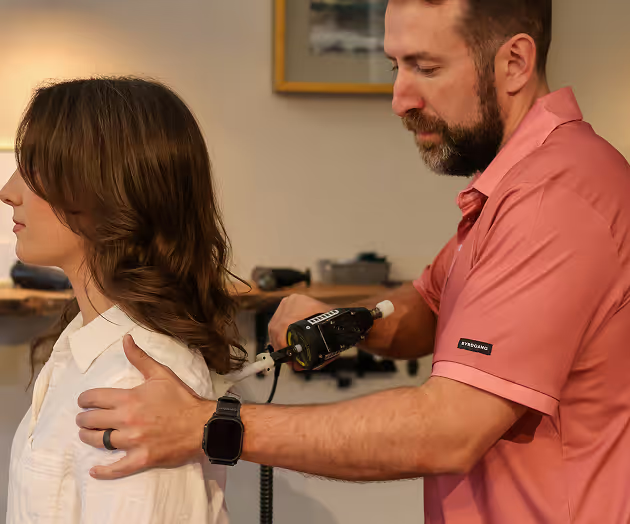
Our Shoulder Pain Approach
There’s no one-size-fits-all plan for shoulder pain - not with us anyway. Your care starts with looking at how the pain began, what makes it worse, and how your shoulder and surrounding areas are moving.
Detailed Health & Movement History
We’ll look at when the pain started, what activities aggravate it, and how it’s affecting your day-to-day movement.
Posture & Movement Assessment
We’ll assess your shoulder mechanics, posture, and how your neck and upper back support shoulder movement.
X-Ray Analysis (When Clinically Appropriate)
X-rays may be used to assess the cervical and upper thoracic spine when imaging is appropriate.
Chiropractic Adjustments
Gentle care for the spine and shoulder-related joints when restricted movement is part of the problem.
Physical Rehabilitation & Functional Movement
Movement and postural exercises designed to improve strength, mobility, and control.
PEMF Therapy (When Appropriate)
An additional supportive treatment that may be used for tissue recovery and discomfort.
Shoulder Pain Can Show Up in Different Ways
Shoulder pain doesn't always feel the same from one person to the next.
You might notice:
- Rotator cuff strain
- Shoulder impingement
- Frozen shoulder
- Pain when lifting or reaching overhead
- Pain that travels into the arm
- Discomfort when sleeping on one side
At Thrive, we look at these symptoms alongside your movement and the areas supporting your shoulder. That helps us look for contributing factors rather than focusing only on where it hurts.

Why We Start With Non-Surgical Shoulder Care
At Thrive Wellness Center, we start with conservative, non-invasive options when they're appropriate for your shoulder pain.
This means:
- No medications as part of chiropractic care
- No injections
- No pressure toward surgery
Instead, we start by looking at how your shoulder is moving, what may be contributing to your symptoms, and which conservative options fit your situation. Some shoulder problems need medical or surgical care, but those decisions can be made with the appropriate medical provider.
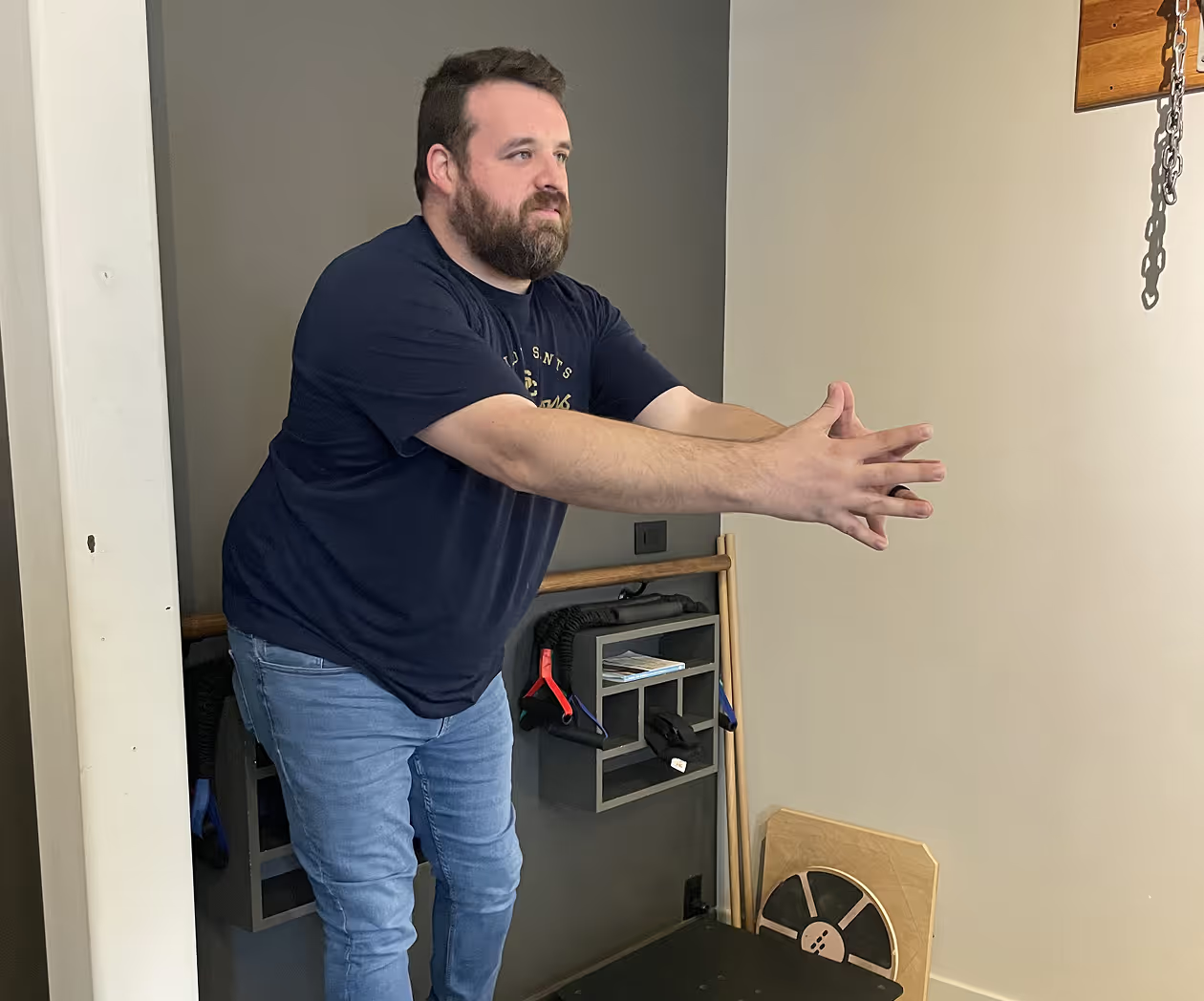
Supporting Long-Term Shoulder Health
Shoulder care can involve more than the shoulder itself. Depending on what we find during your evaluation, your care may include:
Chiropractic Care
Chiropractic Adjustments
Physical Rehabilitation & Functional Movement
Chiropractic BioPhysics® (Postural Correction)
PEMF Therapy
What Patients Say About Shoulder Care at Thrive
“I couldn’t lift my arm without pain. Thrive helped me move better and get back to normal activities.”
— Melissa B.
Shoulder Pain Treatment in Fayetteville, AR
Thrive Wellness Center helps patients with shoulder pain throughout Fayetteville, Springdale, Johnson, Farmington, Prairie Grove, and across Northwest Arkansas.
If shoulder pain is limiting your movement or sleep, a personalized evaluation can help clarify your next steps.

Ready to Move Your Shoulder Comfortably Again?
Still avoiding certain movements because your shoulder hurts? Maybe reaching overhead has become a problem, sleeping on that side wakes you up, or lifting something you used to handle easily now makes you think twice.
At Thrive Wellness Center (throughout Fayetteville, Springdale, Johnson, Farmington, Prairie Grove, and surrounding Northwest Arkansas), we look at how your shoulder is moving along with your neck, upper back, and the areas supporting it. Your first visit is $49 and includes an evaluation and consultation, giving us a chance to look at what's going on before recommending care.