What Is Chiropractic Bio Physics? A Patient's Guide to CBP
August 31, 2026

Chiropractic BioPhysics®, or CBP®, is a research-based corrective chiropractic technique that originated in 1980 with Drs. Donald Harrison, Deanne Harrison, and Daniel Murphy. Since then, the approach has been supported by more than 341 published studies and has continued to evolve around the relationship between spinal alignment, posture, and how the body functions.
Unlike care that focuses only on easing pain in the moment, CBP looks at the structure behind the problem. It focuses on correcting changes in spinal alignment and posture that may contribute to ongoing back pain, neck pain, and headaches, using measurable changes to guide care.
Key Takeaways
- CBP looks beyond pain. It focuses on spinal alignment and posture that may be contributing to recurring pain and other symptoms.
- Your progress is measurable. Digital X-rays and postural assessments help track changes in your spine and posture throughout care.
- CBP takes a longer-term approach. Instead of focusing only on short-term relief, treatment works toward structural correction and improved function over time.
- Care is tailored to your spine. Your treatment plan is based on what your examination and imaging show, rather than a one-size-fits-all approach.
- Thrive combines several therapies when appropriate. CBP may be paired with spinal decompression and functional rehabilitation to support lasting changes.
- Your first visit gets you started. At Thrive, your first appointment includes an examination, consultation, digital X-rays, and an adjustment so you can move forward with a clear treatment plan.
What Is Chiropractic BioPhysics And Why Does It Matter?
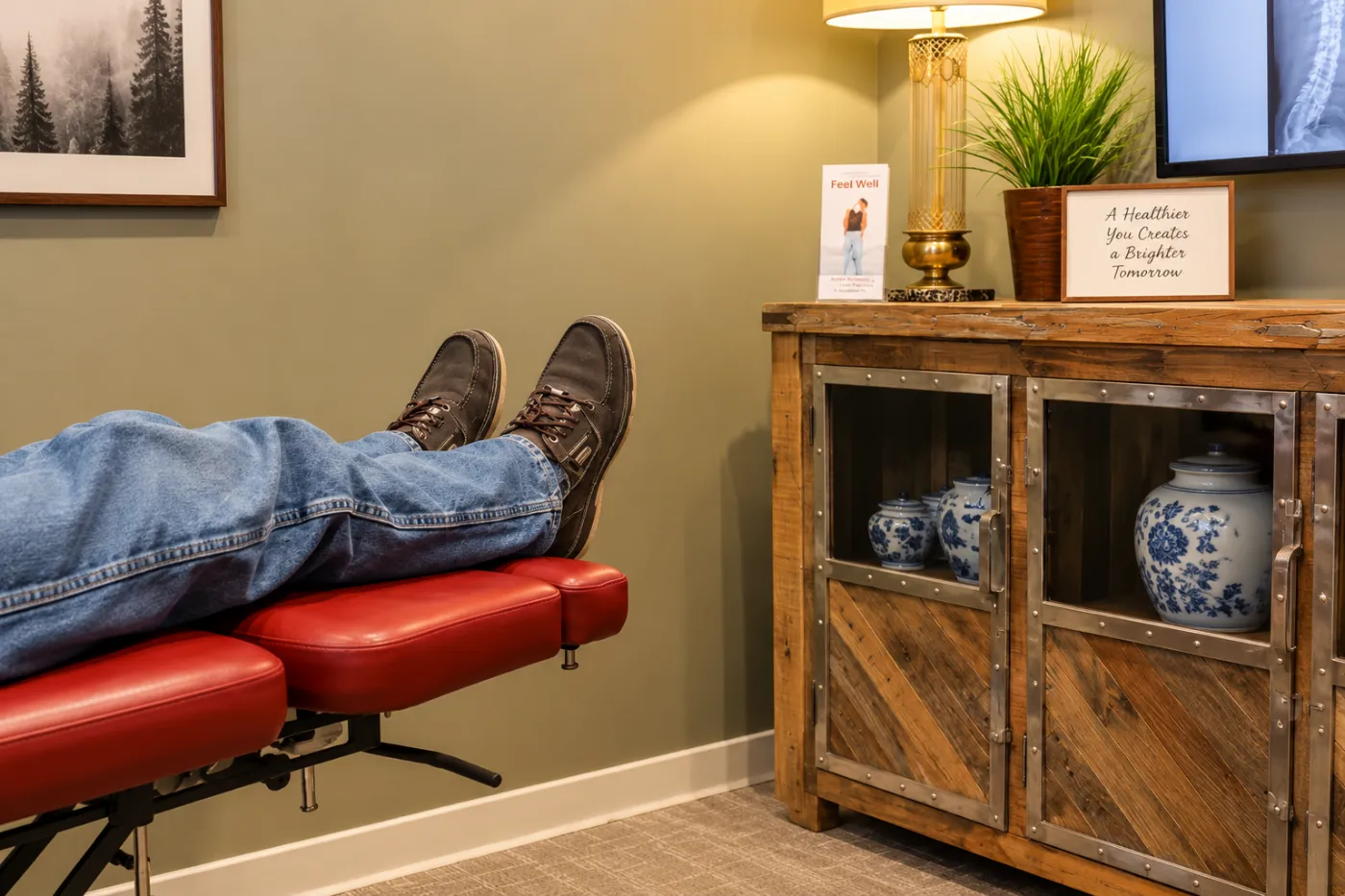
Chiropractic BioPhysics (CBP) is a corrective chiropractic system built on physics and geometry. It focuses on spinal position and posture, rather than looking only at the symptoms a person is experiencing. For someone dealing with chronic back pain, headaches, or a stiff neck, that structural focus can provide a different way to look at why the same problems keep coming back.
CBP has been around for decades. Drs. Donald Harrison, Deanne Harrison, and Daniel Murphy named the approach in December 1980, and research into the technique has continued ever since. CBP contributors have produced seven technique textbooks and hundreds of published scientific studies, giving chiropractors a substantial body of research to draw from when working with spinal structure and posture.
Why Does CBP Matter for Long-Term Pain Relief?
Spinal alignment care uses this research to address the structural factors associated with chronic pain. Instead of simply adjusting the same area whenever symptoms return, CBP uses measurable changes in posture and spinal alignment to track progress over time.
Where Can Patients Find CBP-Certified Care?
CBP requires specialized training, so not every chiropractic office offers this type of care. Thrive Wellness Center is one of the only Chiropractic BioPhysics-certified offices in Northwest Arkansas, with doctors specifically trained in this corrective approach.
- Focus on measurable posture correction, not just temporary symptom relief
- Training grounded in decades of published CBP research
- A structural approach for chronic back and neck pain, as well as recurring headaches
How Does CBP Differ From Regular Chiropractic Care?
A typical chiropractic visit may focus on the adjustment itself. Chiropractic BioPhysics takes a more structural approach, using principles of physics and geometry to influence the body's structure over time. That means the focus isn't only on easing pain. It's also on the spinal and postural changes that may be contributing to it.
CBP chiropractic care considers spinal movement, postural support, and how the nervous system functions during everyday activities. An adjustment can help loosen a stiff joint and provide relief, but structural correction takes a longer view. It uses measurable changes in spinal alignment and posture to track how the body is responding over time.
What Is CBP Chiropractic Trying to Achieve?
With CBP, posture correction and spinal alignment care are central to the treatment plan. Progress is tracked through measurable changes in function, comfort, and spinal position, so you can see how your spine is changing as care continues.
What Results Can You Expect From CBP Care?
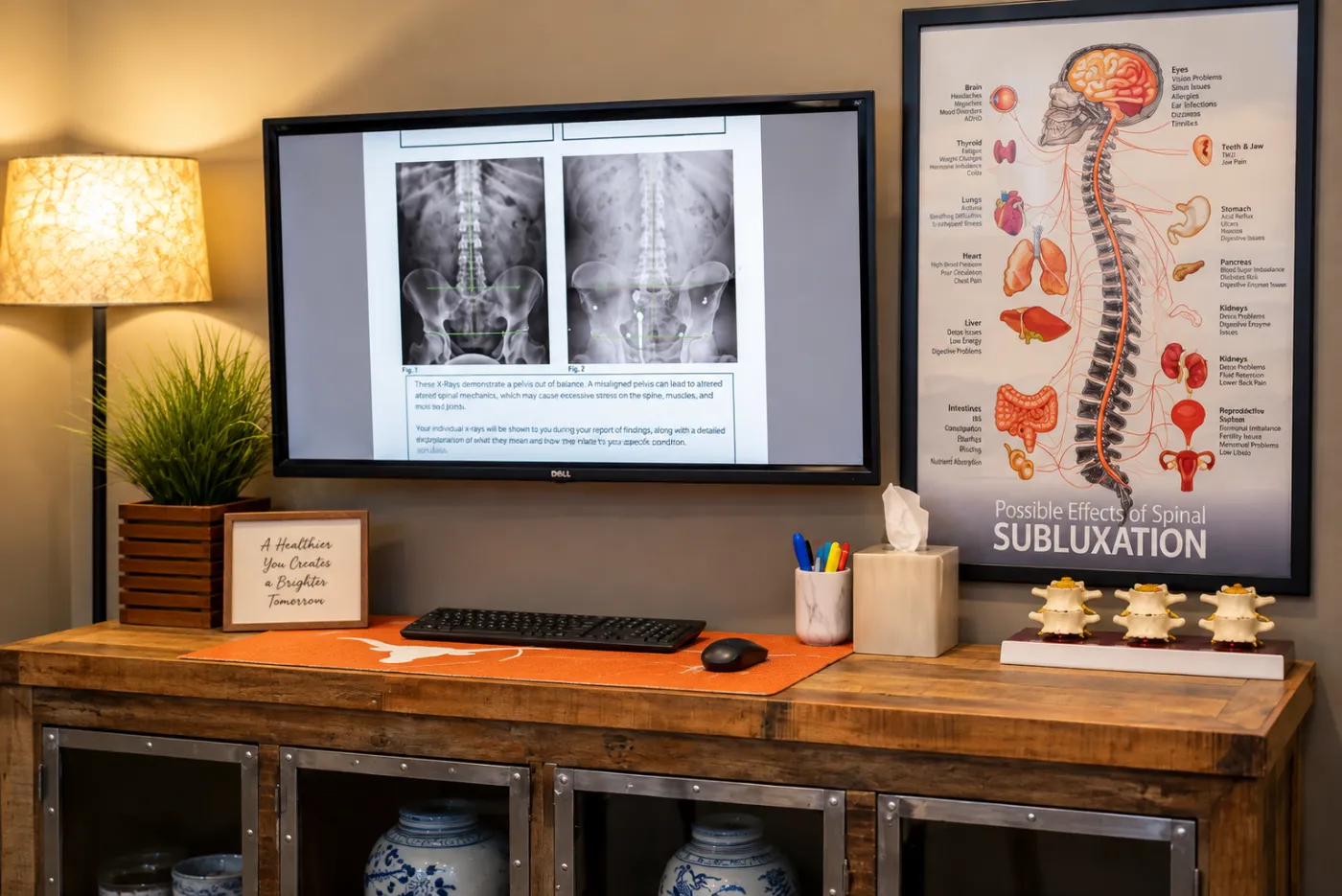
Chiropractic BioPhysics focuses on structural correction, with posture correction and spinal rehabilitation used to address pain, disability, and long-term function. Instead of measuring progress only by whether symptoms improve, CBP also looks at measurable changes in spinal alignment and posture over time.
Digital X-rays give chiropractors a clear picture of how the spine is positioned and where changes may be needed. This provides a measurable reference point for tracking structural changes throughout care.
How does a first visit set the stage for results?
A first visit at Thrive Wellness Center combines an examination, consultation, X-rays, and an adjustment in a single appointment. You leave with a clearer picture of what is happening with your spine, along with the beginning of a treatment plan.
What ongoing care supports lasting change?
Progress builds over time, which is why Thrive combines digital imaging, spinal decompression, and functional rehab as part of its evidence-based approach. This allows structural chiropractic treatment to address the spine, muscles, and nervous system together.
Patients receiving spinal alignment care typically move through a phased process that includes correction, stabilization, and maintenance. As care continues, posture and movement patterns are retrained while changes are tracked along the way.
Thrive Wellness Center has cared for more than 1,500 patients across Northwest Arkansas using this corrective approach. It’s a model built around measuring structural changes and using those findings to guide care.
Ready to See What CBP Can Do for You?
If you’re considering CBP care, your first visit at Thrive Wellness Center gives you a clear picture of your spine and posture. The team starts with an examination and digital X-rays, then uses those findings to guide your care.
Your treatment plan is based on what the examination shows, with progress tracked through changes in spinal alignment, posture, and movement. If you’re ready to take the next step, Thrive Wellness Center can help you get started with CBP care.

Dr. Ben Ozanne
Chiropractor and Owner of Thrive Wellness Center
Latest from the Blog
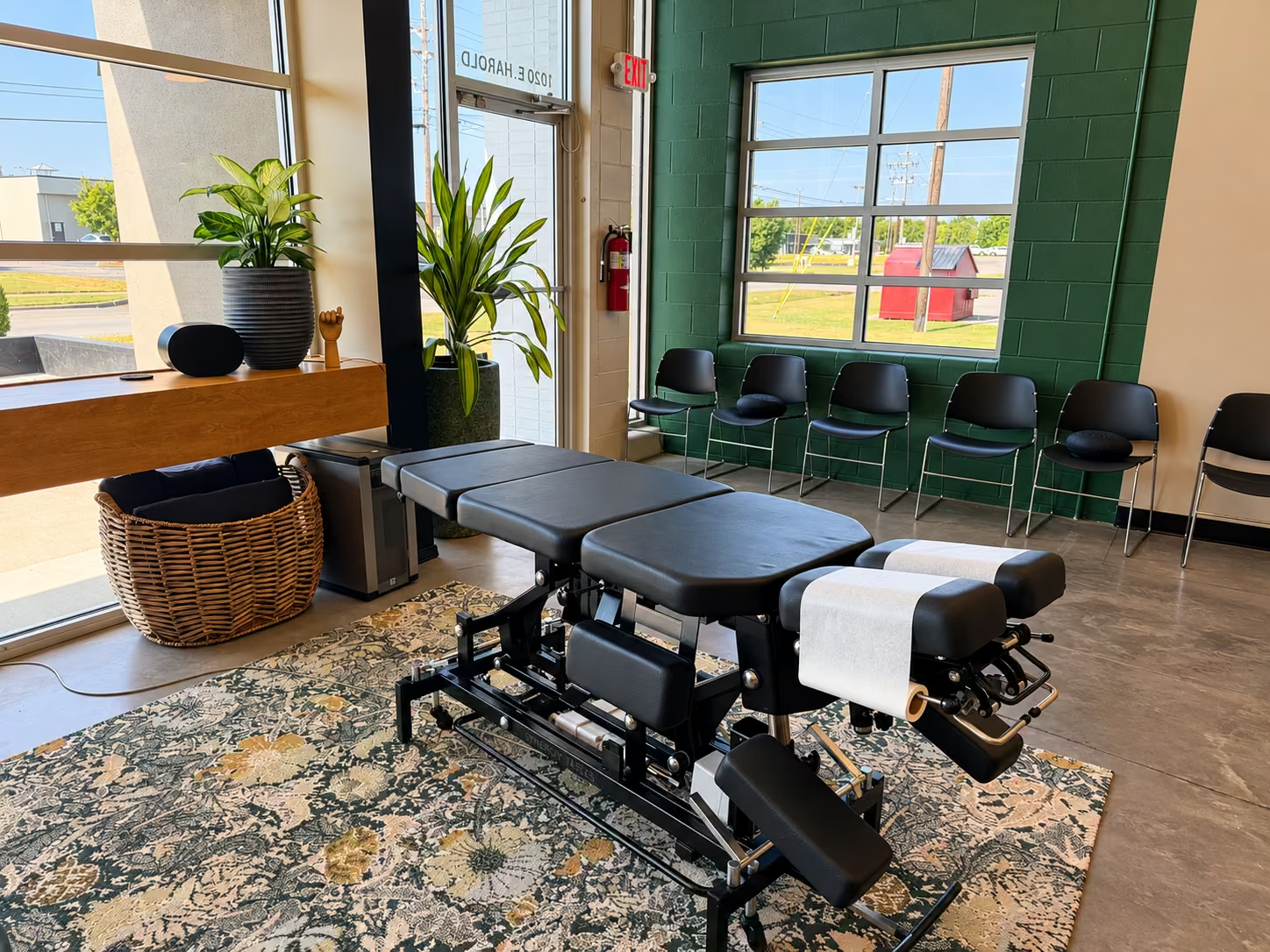
The Science Behind Chiropractic Structural Correction Techniques
Does changing spinal structure change how your body functions? See what the research says about structural correction, how progress is measured, and what to expect at Thrive Wellness Center in Fayetteville, AR.
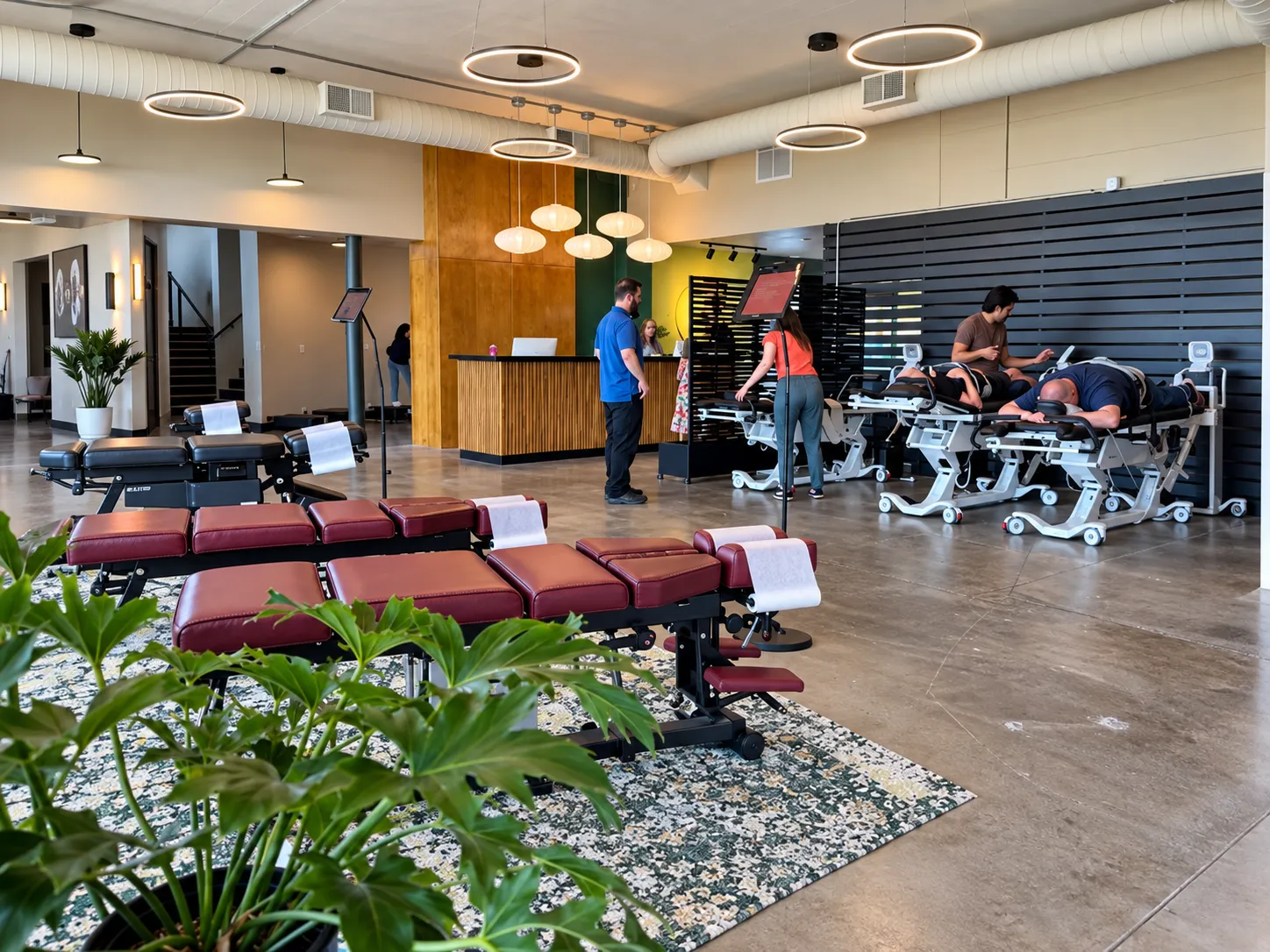
Inside a CBP Treatment Plan: What to Expect From Start to Finish
Wondering what a CBP treatment plan actually involves? See what happens from your first exam and X-rays through adjustments, mirror image traction, and follow-up imaging at Thrive Wellness Center in Fayetteville, AR.
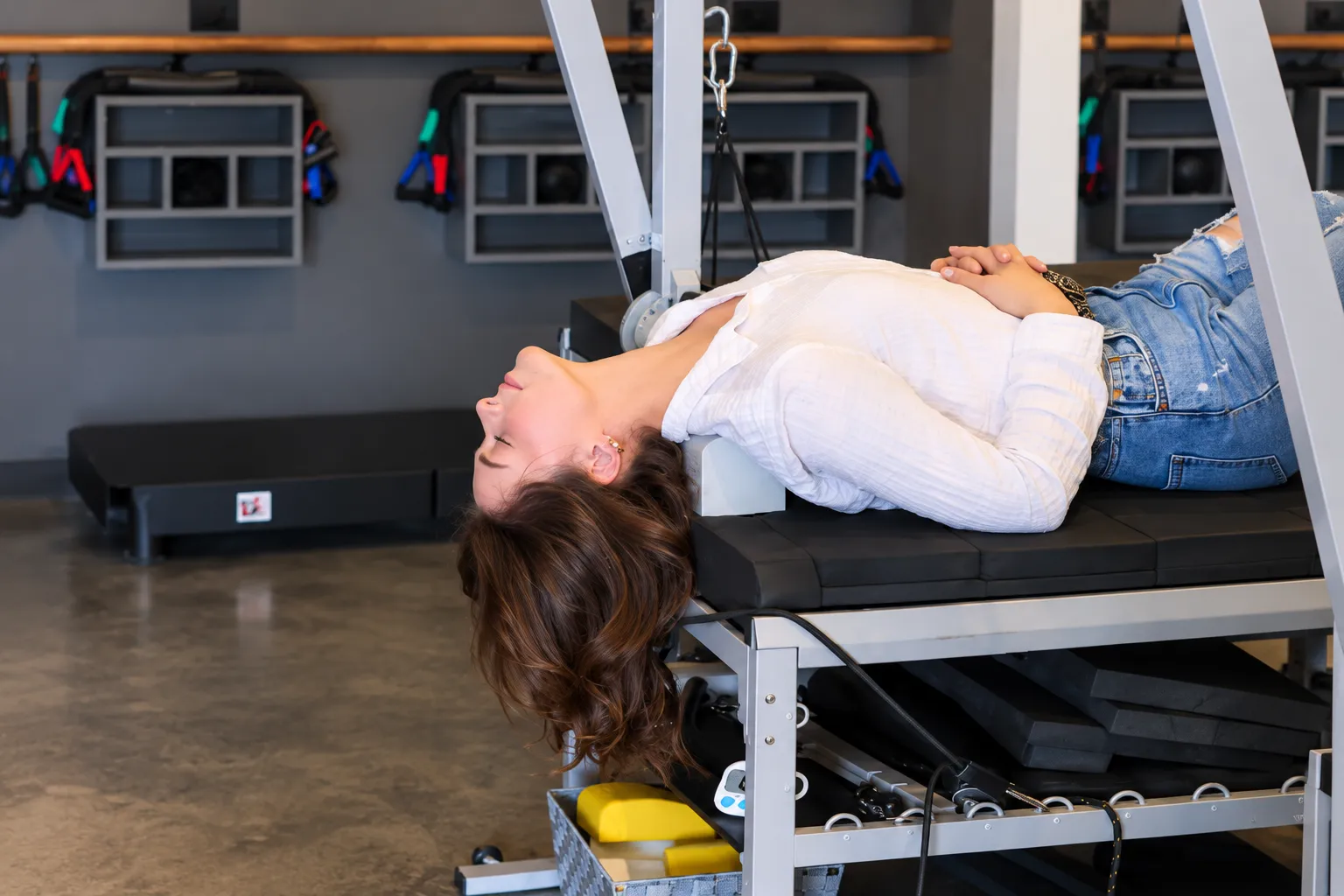
How CBP Postural Correction Techniques Work (and Why They Matter)
Temporary relief from an adjustment doesn't always mean the underlying posture problem is corrected. Here's how CBP postural correction techniques work, what a first visit looks like, and why the approach is built to be measured over time.