Inside a CBP Treatment Plan: What to Expect From Start to Finish
September 23, 2026
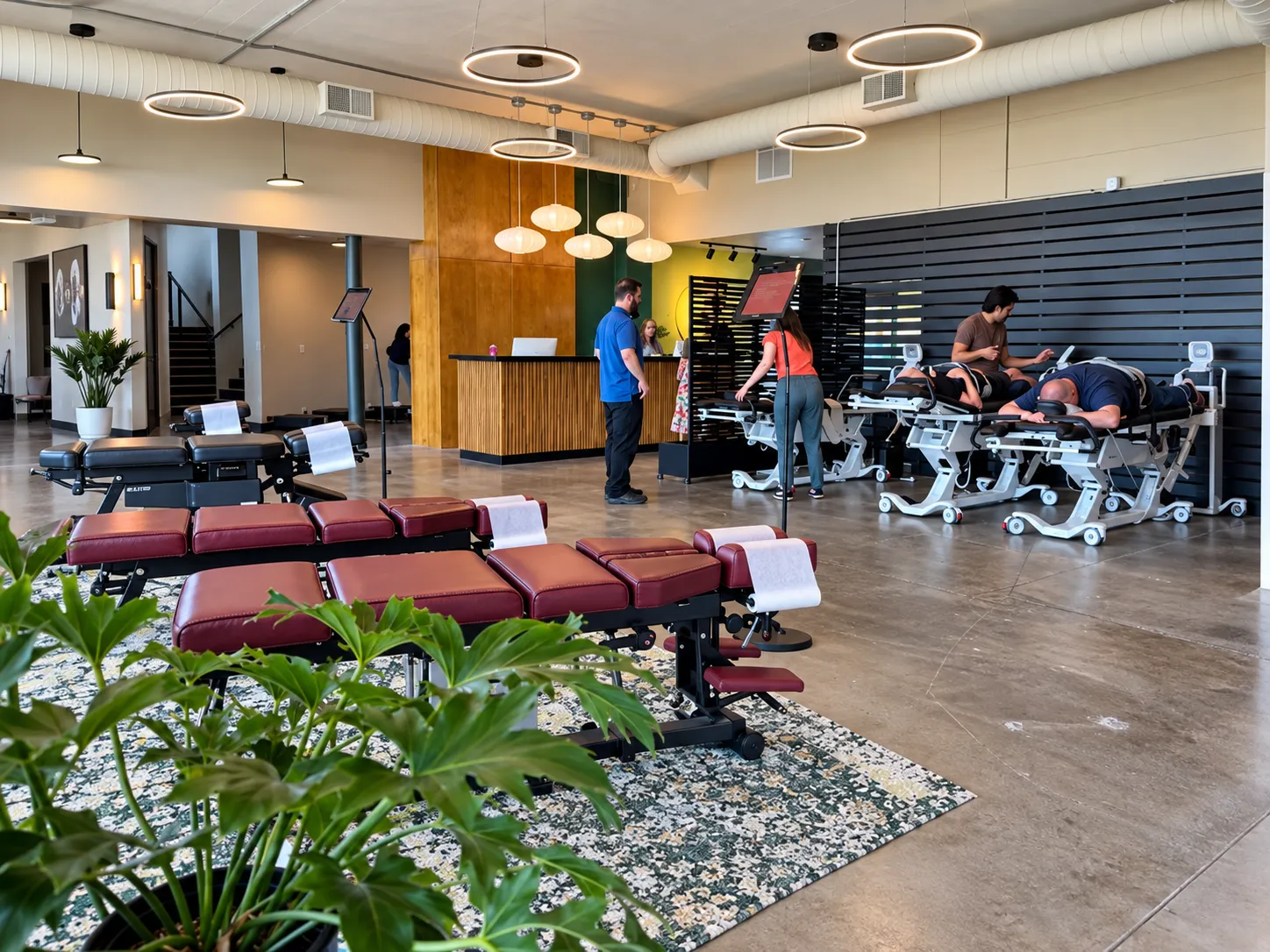
Your first CBP appointment isn't just an adjustment.
Before anyone starts working on your spine, the team needs to see what they're working with. At Thrive Wellness Center, that means looking at how you stand, how you move, what you've been experiencing, and what your X-rays show. Those first measurements become the starting point for your treatment plan.
And the plan doesn't end when you walk out of that first appointment feeling different. CBP care is built around what happens over the weeks that follow: specific adjustments, mirror-image traction, rehabilitation, and follow-up imaging to see whether your spine is actually changing.
So what does that look like in real life? Here's what happens from your first visit through the later stages of a CBP treatment plan.
Key Takeaways
- Your first CBP visit is more than an adjustment. It includes an examination, consultation, digital X-rays, and, for most patients, an initial adjustment.
- CBP looks at the structure behind the symptoms. Spinal alignment, posture, movement, and changes over time all help shape the treatment plan.
- Your progress is measured, not guessed. Follow-up imaging and assessments help show whether changes in spinal alignment are holding.
- CBP correction takes time. Adjustments, mirror image traction, rehabilitation, and follow-up care work together across a series of visits.
- The goal isn't just to feel better for a day. CBP focuses on changes that can hold over time instead of repeatedly treating the same flare-up.
- You can know what care may cost upfront. Thrive's first visit is $49, while the standard 28-visit cash plan is around $3,100.
- CBP is a research-based approach. More than 341 published studies support the method.
What Happens During Your First CBP Visit?
Your first visit isn't about jumping straight onto a chiropractic table. There’s a little more to it than that.
At Thrive Wellness Center, the team starts by figuring out what your spine is doing before deciding how to treat it. Your visit includes an examination, consultation, digital X-rays, and, for most patients, an initial adjustment.
The examination looks at how you stand and move, including areas that aren't moving as freely as they should. Then you’ll talk through your symptoms, health history, and everyday habits with the chiropractor. Your X-rays give the team another view, showing spinal curves and alignment changes that aren't obvious just by looking at you.
Put those pieces together, and how Chiropractic Biophysics works becomes easier to understand. CBP isn't focused on one sore spot in isolation. It looks at the structure of your spine and uses principles from anatomy, physiology, physics, geometry, and biology to understand what may be contributing to the problem.
Is CBP Backed by Research?
Yes. CBP has been around since 1980, when Drs. Donald Harrison, Deanne Harrison, and Daniel Murphy developed it as a research-based approach to corrective care, according to sources.
Today, more than 341 published studies support the method, including research looking at the relationship between spinal alignment, posture, and how the body functions over time.
Will Adjustment Happen on Day One?
For most patients, yes.
Once your examination and X-rays have been reviewed, an initial adjustment can happen during that first visit. You don't necessarily have to come back for a second appointment before treatment starts.
How Does Your CBP Plan Correct Posture?
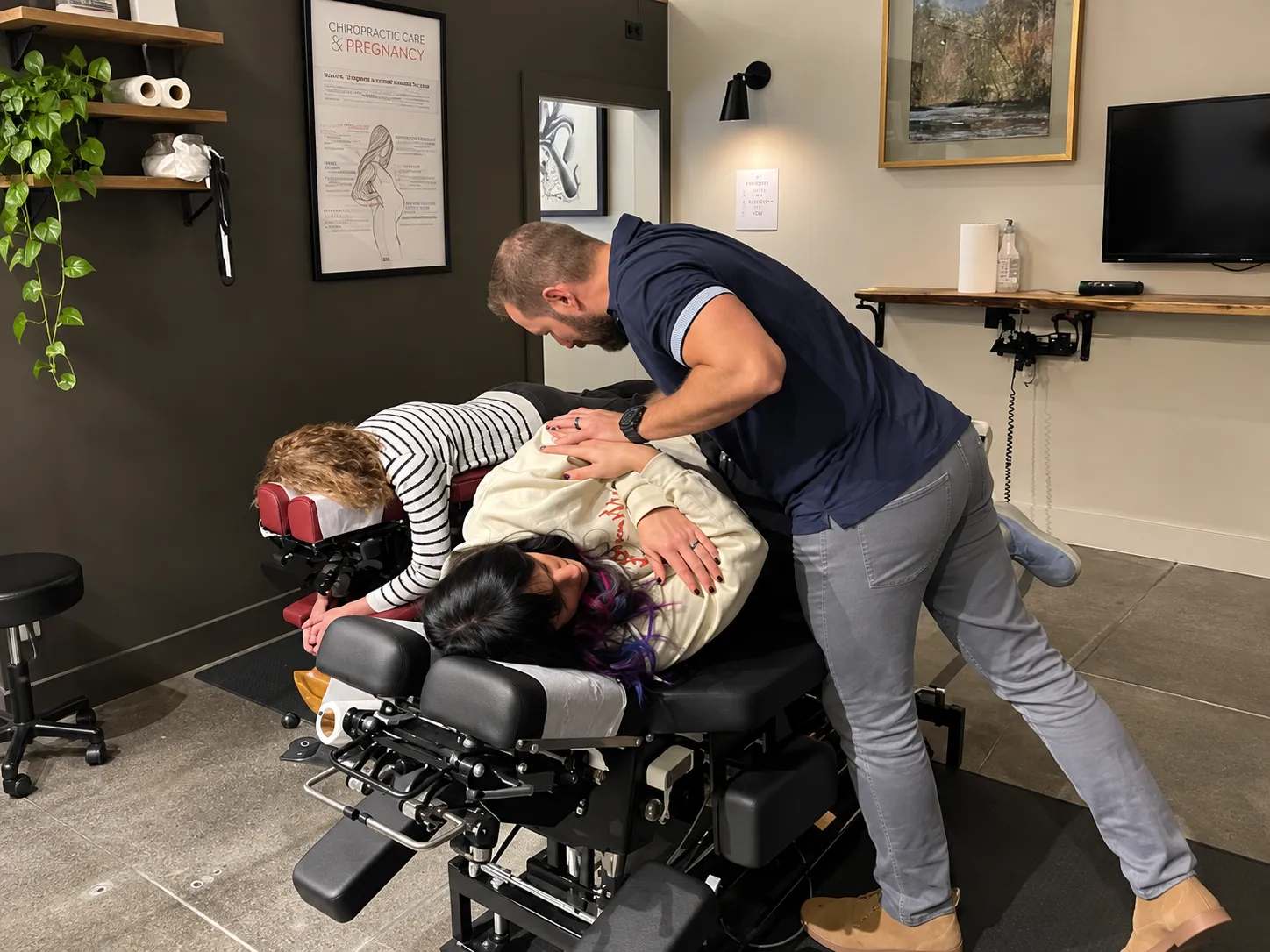
Being told to "stand up straight" isn't exactly a treatment plan.
CBP takes a much more measurable approach. How chiropractic biophysics works starts with identifying where your spine has moved away from its ideal curve. From there, changes are tracked throughout your care so you can see what's happening rather than relying on guesswork.
One of the main tools used is mirror image traction. The idea is fairly simple: the spine is positioned in the opposite direction of the misalignment, creating a controlled correction toward the curve being targeted. Mirror image adjustments are used alongside traction as part of the remodeling process.
That remodeling takes time. Bone and soft tissue don't change overnight, which is why correction happens across a series of visits rather than in one dramatic appointment. Follow-up imaging can then show whether those changes are actually holding.
And that matters when pain keeps coming back. Back pain, neck pain, and headaches may improve after an adjustment, only to return later. CBP looks at the spinal alignment behind that pattern instead of treating every flare-up as an entirely new problem.
Posture also isn't just about what your spine looks like when you're standing still. The evaluation considers:
- How your spine moves during everyday activities
- How your posture supports your weight and balance over time
- How the nervous system functions as alignment changes
Does Fixing Posture Stop Pain From Coming Back?
That's the part most people actually want to know.
Working on spinal movement and posture may help reduce the cycle of feeling better, having the pain return, and starting over again. The focus is on addressing structural factors that may be contributing to recurring discomfort rather than simply reacting when symptoms flare.
That's why progress is checked throughout care. The team measures changes, adjusts the plan when needed, and uses follow-up assessments to see whether the correction is holding. You're not just going by whether you happened to have a good day.
What Results Can You Expect Long-Term?
Feeling better after an adjustment is great. But what happens when the relief wears off and you're back to the same pain, the same stiffness, the same problem?
That's frustrating.
You get adjusted. You feel better. You get on with your week. Then your back starts bothering you again. So you come back in and do it all over again.
CBP looks at what might be keeping that cycle going. Instead of only asking whether you feel better today, the plan also looks at your spinal alignment and posture and tracks how those things change over time.
Maybe you're not waking up as stiff. Maybe you're moving more freely. Maybe your posture looks different when you catch yourself in the mirror. Those changes matter. And because your spine can be measured, your progress doesn't have to come down to "I think I feel better."
A CBP plan takes time because your body takes time to adapt. The point isn't to make one appointment feel amazing. It's to work toward changes that can actually hold.
How Much Does a CBP Treatment Plan Cost?
Let's talk numbers, because wondering about the cost while you're trying to figure out whether care is right for you isn't exactly helpful.
At Thrive Wellness Center, the first visit is $49 and includes a full exam and consultation. From there, the cost of a full CBP plan depends on the care recommended for you. For patients paying cash, the standard 28-visit plan is around $3,100.
That plan typically runs over about 12 weeks, with visits more frequent at the beginning and gradually spaced out as your care progresses.
And you’ll know what you're looking at before you commit. The first visit gives the team a chance to examine your spine, review your findings, and explain what they recommend based on what they see.
No mystery price. No "call for details" nonsense. Just a clear idea of what care can cost before you decide what to do next.
FAQ
What happens during your first CBP visit at Thrive Wellness Center?
Your first visit isn't just an adjustment and out the door.
You'll start with an examination, consultation, and digital X-rays so the team can see how your spine is aligned and what's going on before building your CBP plan. For most patients, an initial adjustment can happen during that same visit.
How is Chiropractic BioPhysics different from a standard chiropractic adjustment?
A standard adjustment may focus on getting a restricted joint moving again. CBP looks at the bigger picture.
Instead of only asking, "Where does it hurt today?" a CBP plan looks at your spinal alignment, sets a structural target, and tracks changes over time. Adjustments, traction, and rehab exercises are then used with that target in mind, with X-rays helping show whether things are actually changing.
What is mirror image traction, and how does it help correct posture?
The name sounds more complicated than the idea.
Mirror image traction positions your spine in the opposite direction of the misalignment being addressed. The idea is to work toward the curve you're trying to achieve, rather than simply moving the spine wherever it feels restricted that day.
It isn't a one-and-done treatment, either. Mirror image traction is used alongside specific adjustments as part of a gradual remodeling process, with follow-up imaging used to check the changes.
How long does it take to see results from a CBP treatment plan?
There's no overnight spinal remodeling.
Bone and soft tissue take time to adapt, so CBP correction happens across a series of visits. Care starts with specific adjustments and traction, then moves into a phase focused on holding those changes. Follow-up imaging helps show whether the correction is still there as visits become less frequent.
Can CBP help chronic neck or back pain that hasn't improved with regular chiropractic care?
It may. And that's often why people start looking into CBP in the first place.
Recurring neck or back pain and headaches can be connected to changes in spinal alignment. For someone in Fayetteville who has already tried standard adjustments without getting lasting results, CBP offers a different approach: look at the structure behind the recurring problem instead of simply treating the next flare-up.
Conclusion: Looking at the Bigger Picture

You came in because something hurts. You shouldn't have to keep coming back every time it hurts again without understanding why.
That's the difference a CBP plan is trying to make.
Your spine gets measured. Your posture gets looked at. Your treatment is built around what the team finds, then checked again as you go. Adjustments, mirror image traction, rehab, follow-up X-rays. Each one is part of the bigger plan, not just something you happen to get that day.
And it's not about expecting one adjustment to change everything. Your spine and the tissues around it need time to adapt. That's why CBP care happens across a series of visits, with progress checked along the way.
For patients in Fayetteville and across Northwest Arkansas, that means you don't have to guess whether you're making progress. You can measure it.
At Thrive Wellness Center, health happens here!

Dr. Ben Ozanne
Chiropractor and Owner of Thrive Wellness Center
Latest from the Blog
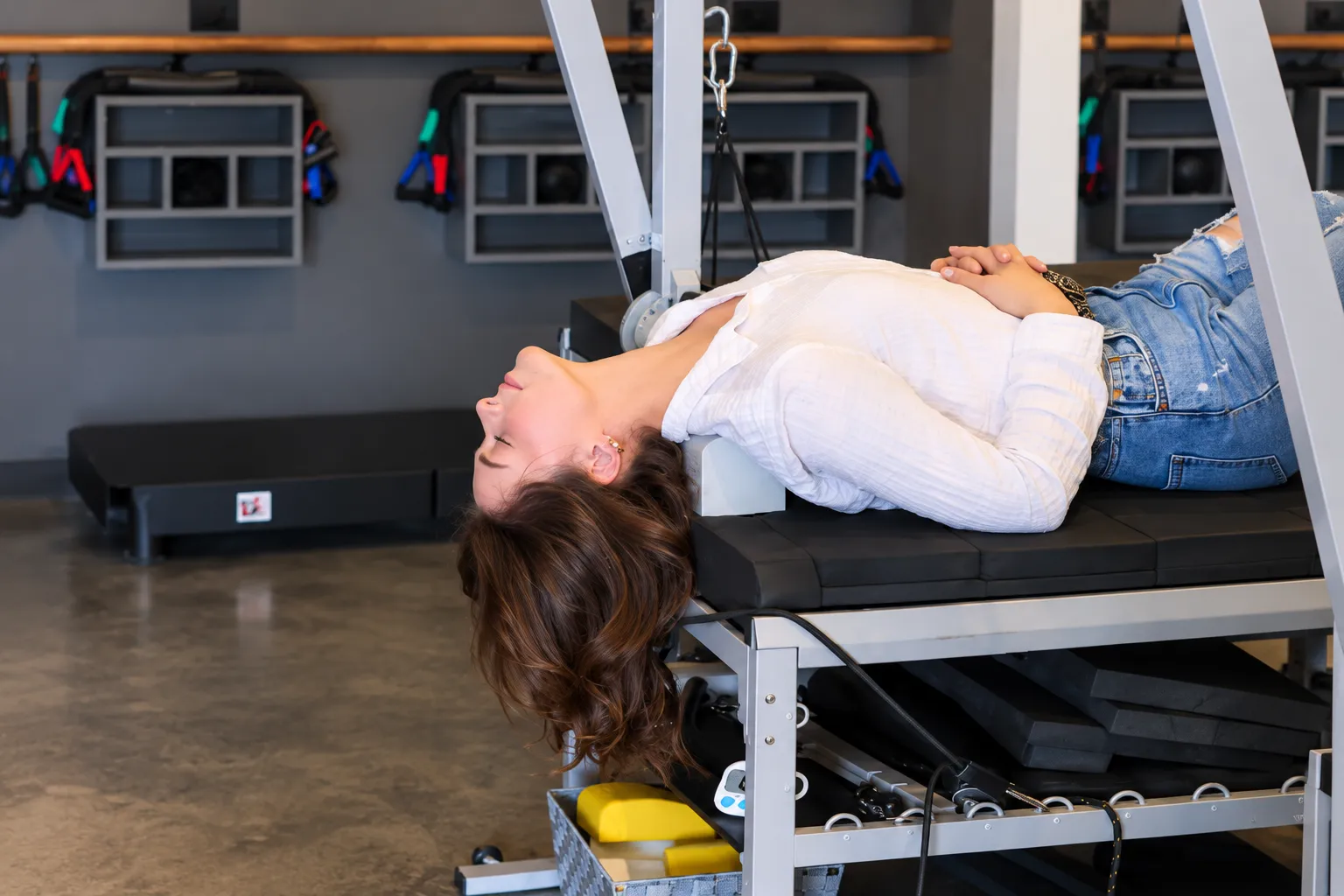
How CBP Postural Correction Techniques Work (and Why They Matter)
Temporary relief from an adjustment doesn't always mean the underlying posture problem is corrected. Here's how CBP postural correction techniques work, what a first visit looks like, and why the approach is built to be measured over time.
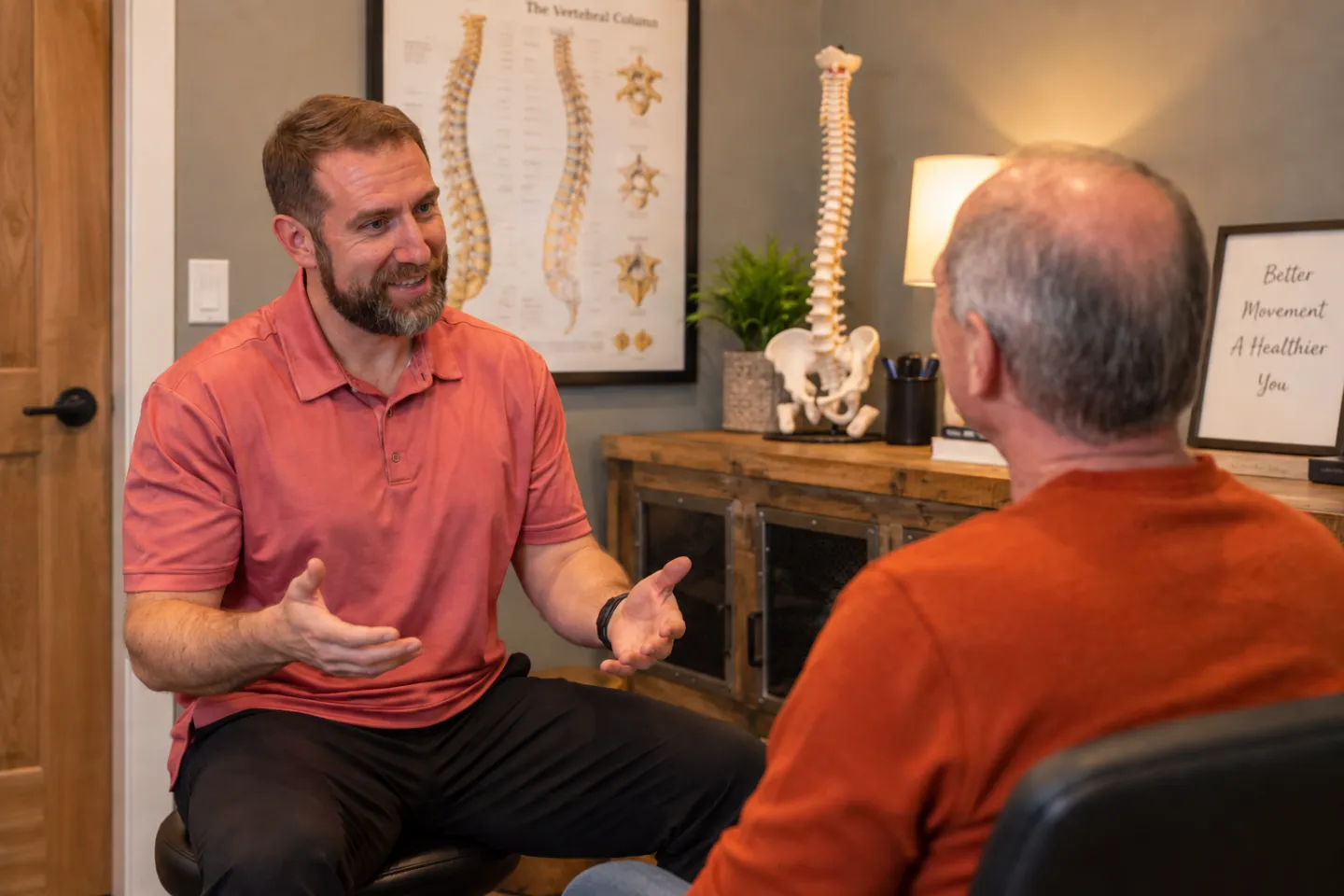
Structural Correction vs. Traditional Adjustments: What's the Difference?
Traditional adjustments can restore movement and ease pain. Structural correction adds measurable spinal and postural findings you can track over time. Here is how the two approaches differ, and what progress looks like when it is measured instead of guessed at.

What Is Chiropractic Bio Physics? A Patient's Guide to CBP
Chiropractic BioPhysics (CBP) is a research-based corrective chiropractic approach that looks beyond pain relief to correct spinal alignment and posture. Here's what patients can expect from CBP care at Thrive Wellness Center.