The Science Behind Chiropractic Structural Correction Techniques
October 9, 2026
Feeling better is great. But what happens when the pain settles down and the problem keeps coming back?
That's part of the reason structural correction doesn't just look at symptoms. At Thrive Wellness Center, we look at spinal alignment, posture, and movement to see what may be contributing to the way you're feeling. When appropriate, X-rays and other measurements give us a way to track those changes.
But does changing spinal structure actually change how your body functions? And what does the research say?
That's the question behind this article.
Key Takeaways
- Structural correction focuses on spinal alignment: Chiropractic BioPhysics® (CBP®) uses specific techniques to address spinal posture and curvature.
- Progress can be measured: Spinal measurements, posture assessments, movement tests, and X-rays when clinically appropriate can help track changes during care.
- Research has reported measurable changes: Studies of specific CBP® protocols have found changes in spinal alignment, including improvements in certain spinal curves.
- Results vary from person to person: Changes in spinal alignment don't automatically guarantee lasting pain relief or improved function.
- An assessment helps determine your options: A chiropractor can evaluate your symptoms and spinal alignment to discuss whether structural correction may be appropriate for you.
What Makes Structural Correction Different From Pain Relief?
You can have less pain without your posture or spinal alignment changing.
For example, someone may come in with neck pain, get an adjustment, and feel better afterward. That's useful. But it doesn't tell you whether the position of the spine has changed.
Structural correction looks at that question as well. At Thrive, this can involve posture assessments, spinal measurements, and X-rays when clinically appropriate, so changes can be compared over time.
CBP is one example of this type of care. Research on CBP has looked at measurable changes in spinal alignment rather than only asking whether someone's pain improved. One 2020 systematic review found increases of approximately 7 to 11 degrees in lumbar lordosis over 10 to 12 weeks in people with reduced lumbar curvature and low back disorders.
That doesn't mean every person will see the same change. It shows the kind of measurement structural correction is interested in: what actually changed, and by how much?
Is Structural Correction Slower?
Usually, yes. You can notice a change in pain or stiffness fairly quickly. Changes in posture and spinal alignment are something you measure over time.
So, a structural correction plan may involve an initial assessment followed by progress checks. Posture, spinal measurements, movement, strength, and X-rays when appropriate can all give you different information about how things are changing.
How Do Chiropractors Measure Structural Correction Progress?
At your first assessment, Dr. Ben records the findings that are relevant to your spine and posture. Later, those findings can be compared with follow-up assessments to see what has changed.
Depending on your needs, that might involve spinal measurements, posture photographs, X-rays when clinically appropriate, or checks on how well you're moving and functioning. Each gives you different information.
For example, a spinal measurement taken at the first appointment gives the chiropractor a baseline. A later measurement can then be compared with it to see whether the curve has changed, rather than relying on a visual impression alone.
What Researchers Look For
- Spinal alignment: X-rays, when appropriate, can be used to measure spinal curves and compare them with earlier images. The angle being measured depends on which part of the spine is being examined. A measurement of the neck's curve, for instance, isn't interchangeable with one taken from the lower back.
- Posture: Postural assessments can track changes in head position, shoulder position, and overall alignment.
- Movement and function: Changes in mobility, strength, and the way you perform everyday movements can show how you're functioning as care progresses.
Decompression and rehabilitation may form part of a care plan, but they're treatments rather than measurements themselves.
What a Clinical Trial Found
A 2003 clinical trial examined 63 people receiving a specific CBP® neck traction technique alongside spinal manipulation. After an average of 38 visits over approximately 14.6 weeks, researchers recorded an average improvement of 13.6 degrees in one measure of cervical spinal alignment. The study also found reduced neck pain, and follow-up results in 21 participants showed that some alignment changes were maintained.
This was a study of a specific treatment protocol, not a result everyone receiving structural correction should expect.
Checking Your Progress During Care
Your follow-up assessment gives you a chance to compare your original findings with your current results. You may have changes in pain or movement, measurable changes in posture, or both. Your chiropractor can explain what the results show and whether your plan needs adjusting.
The measurements don't tell the whole story on their own, but they give you specific findings to discuss rather than relying only on how you feel that day.
Who Might Benefit From Structural Correction?
You might be looking for help with recurring pain, changes in your posture, or a problem that keeps affecting how you move. Corrective care may be worth discussing when spinal alignment is a specific concern and you're interested in working on measurable structural changes, not just managing symptoms.
At Thrive Wellness Center, Chiropractic BioPhysics® (CBP®) uses spinal analysis and specific corrective techniques to address posture and spinal alignment. Whether it makes sense for you depends on your assessment, your symptoms, and what the findings show.
Working toward a measurable change in spinal alignment may take more time than noticing a change in pain or stiffness. The time involved depends on your starting point, the findings from your assessment, and how your body responds to care.
Before starting, you should know what your chiropractor has identified, what the proposed plan involves, how progress will be assessed, and what you can reasonably expect. You should also be able to ask questions and discuss other appropriate options.
At Thrive, Dr. Ben Ozanne has specialized CBP® certification, and the clinic uses this approach as part of its corrective care services in Fayetteville, Arkansas.
FAQ
What makes structural correction different from standard chiropractic care?
Standard chiropractic care can help with pain, stiffness, and restricted movement. Structural correction also looks at spinal alignment and posture, using specific measurements to assess whether changes are happening over time. The type of care you need depends on your symptoms and what your evaluation shows.
How do chiropractors measure structural correction progress?
Your chiropractor may use posture assessments, spinal measurements, and X-rays when clinically appropriate. These can be compared with your initial findings to see what's changed. Movement, strength, and mobility can also be assessed as you progress through care.
Why does structural correction take longer than typical pain relief?
You may notice a change in pain or stiffness before you see measurable changes in spinal alignment. Structural correction involves tracking those changes over time, so progress depends on your starting point, your care plan, and how your body responds.
Is chiropractic structural correction backed by scientific research?
Yes, research has examined Chiropractic BioPhysics® (CBP®), including its use of specific exercises and traction techniques to address spinal alignment. However, the amount and quality of evidence vary depending on the treatment and condition being studied. Research findings don't guarantee the same results for every patient.
Who is a good candidate for structural correction care?
Structural correction may be worth discussing if you're dealing with issues like ongoing posture concerns, recurring neck or back pain, or restricted movement and want to explore whether spinal alignment is relevant to your symptoms. An evaluation can help determine whether this type of care is appropriate for you.
What does a structural correction care plan at Thrive Wellness Center involve?
Your plan depends on your assessment and what needs attention (this is what Dr. Ben will assess). It may include spinal measurements, posture assessments, X-rays when clinically appropriate, specific chiropractic techniques, traction, or rehabilitation exercises. Your chiropractor can explain what's recommended, why it's being included, and how progress will be checked.
Explore Structural Correction at Thrive
Ready to find out whether chiropractic structural correction could help with your spinal alignment and posture concerns? Schedule an assessment at Thrive Wellness Center in Fayetteville, AR. Dr. Ben Ozanne and the team can evaluate your spine, discuss your concerns, and explain which care options may be appropriate for you.

Dr. Ben Ozanne
Chiropractor and Owner of Thrive Wellness Center
Latest from the Blog
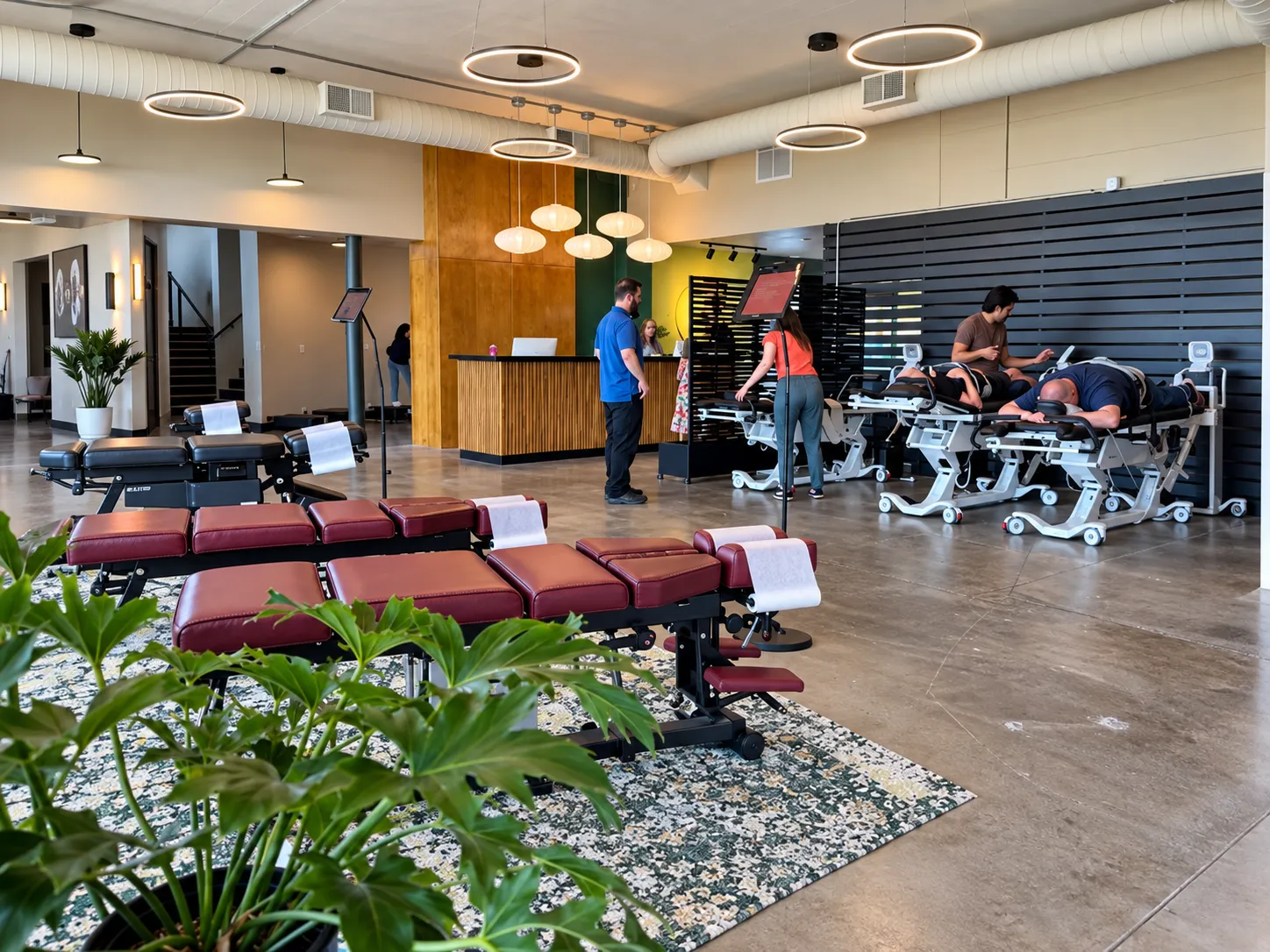
Inside a CBP Treatment Plan: What to Expect From Start to Finish
Wondering what a CBP treatment plan actually involves? See what happens from your first exam and X-rays through adjustments, mirror image traction, and follow-up imaging at Thrive Wellness Center in Fayetteville, AR.
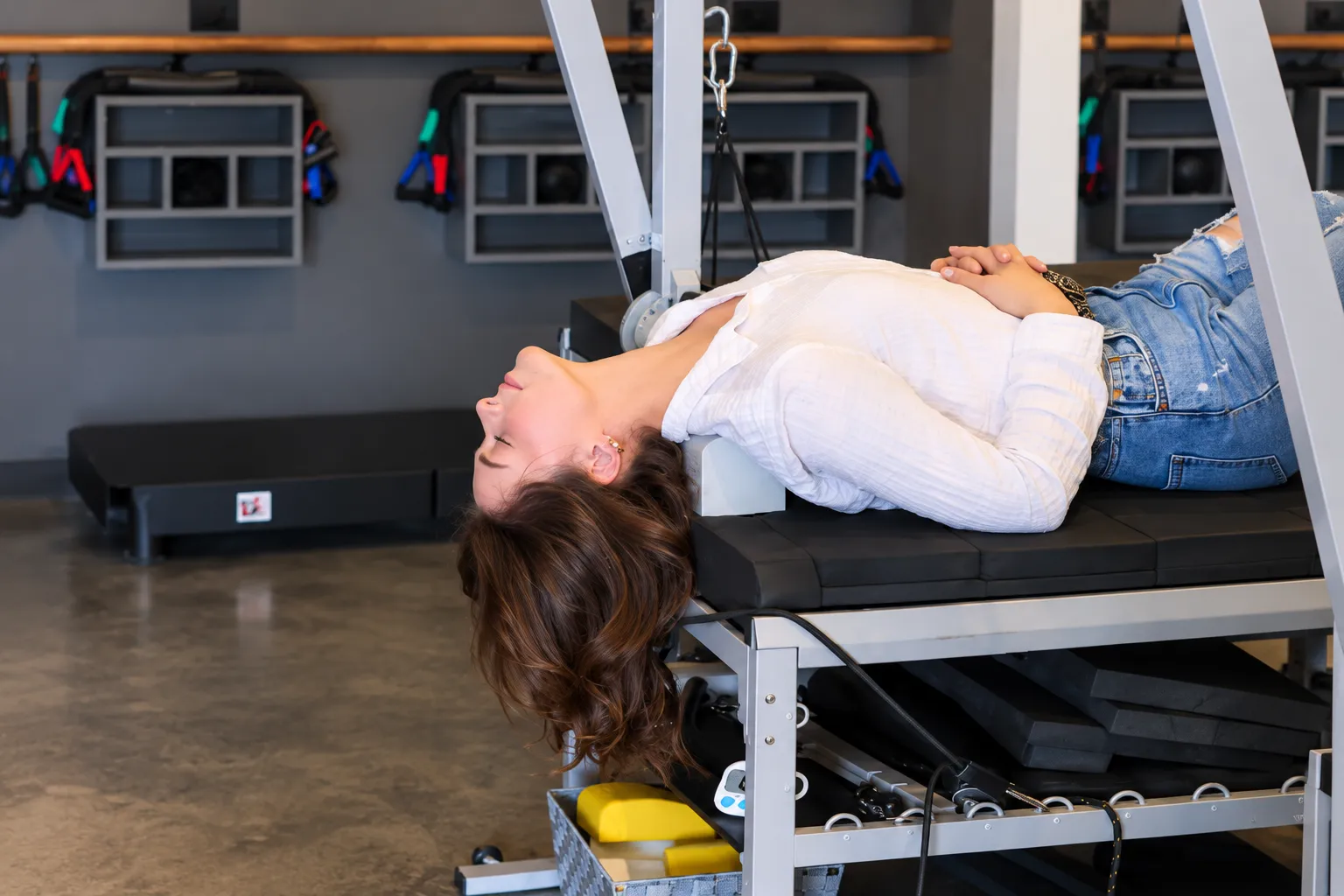
How CBP Postural Correction Techniques Work (and Why They Matter)
Temporary relief from an adjustment doesn't always mean the underlying posture problem is corrected. Here's how CBP postural correction techniques work, what a first visit looks like, and why the approach is built to be measured over time.
Structural Correction vs. Traditional Adjustments: What's the Difference?
Traditional adjustments can restore movement and ease pain. Structural correction adds measurable spinal and postural findings you can track over time. Here is how the two approaches differ, and what progress looks like when it is measured instead of guessed at.