A Natural, Conservative Approach to Healing and Spine Health
June 23, 2026
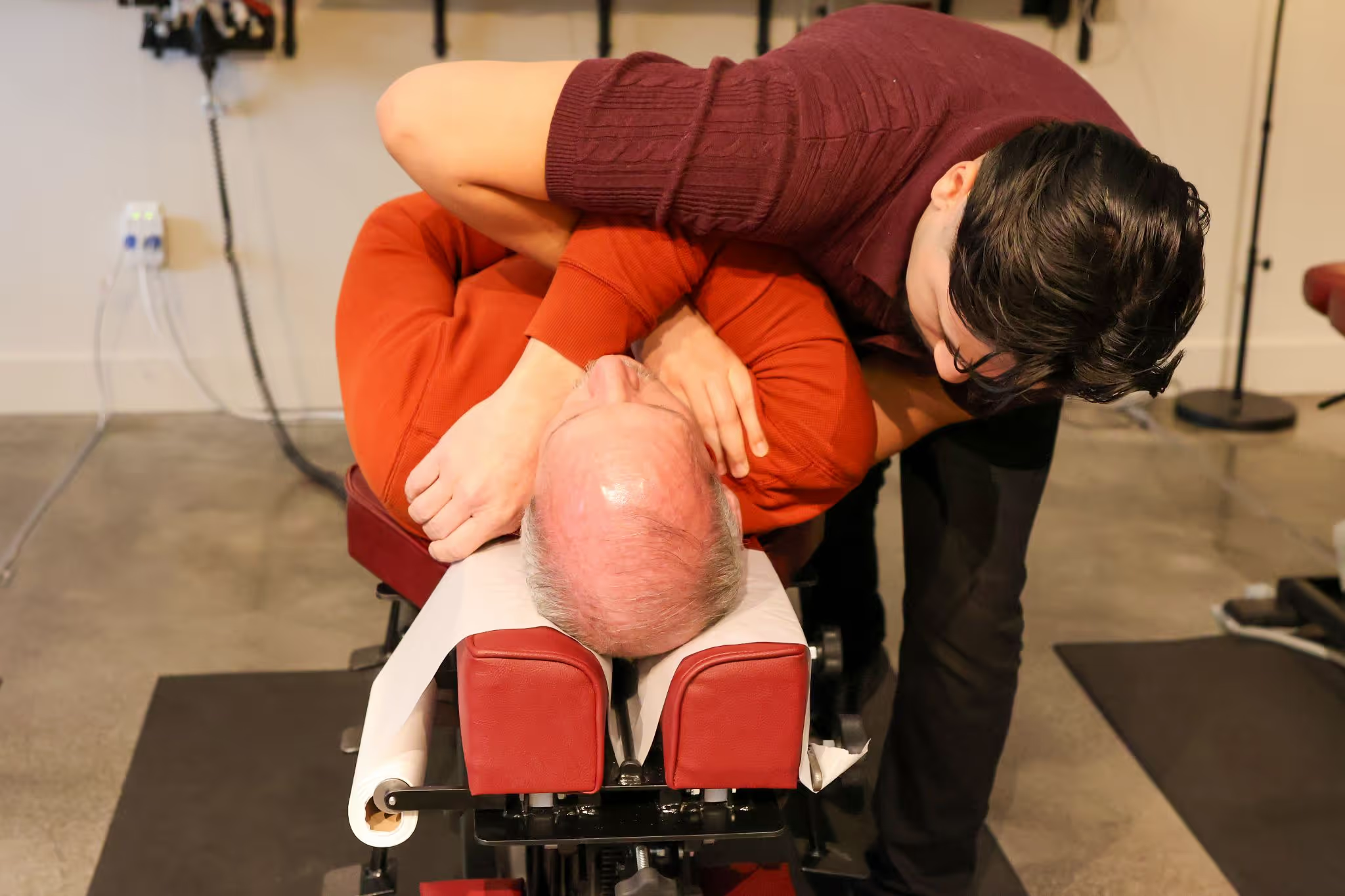
Pain doesn't always mean you need stronger medication or a more invasive procedure.
That's the philosophy behind the care we provide at Thrive Wellness Center. Dr. Ben Ozanne takes a conservative, drug-free approach that focuses on how your spine, nervous system, posture, and movement work together so your body has the best chance to heal and function well.
Key Takeaways
- Conservative care starts with the least invasive option, focusing on improving movement, posture, and spinal function before considering medication or surgery when appropriate.
- Pain is often a warning sign rather than the problem itself, which is why identifying the underlying cause can lead to longer-lasting relief.
- Your spine and nervous system work together to support everyday movement and function, so changes in posture or joint mobility can affect how you feel.
- No two people need the same treatment. A thorough assessment helps create a personalized plan and determines whether conservative care is the right fit or if another approach is needed.
What Does "Natural Care" Really Mean?
People often hear the word "natural" and assume it means rejecting medicine. It doesn't. It simply means starting with the least invasive option before moving on to treatments that carry more risk or require medication.
If your shoulder hurts because of the way you sit at your desk every day, numbing the pain doesn't change what's causing it. Looking at your posture, how you move, and how your spine is functioning gives you a better chance of solving the problem instead of working around it.
That's the idea behind conservative care. Help the body work better first, then decide if anything more is needed.
Why Doesn't Thrive Focus on Masking Symptoms?
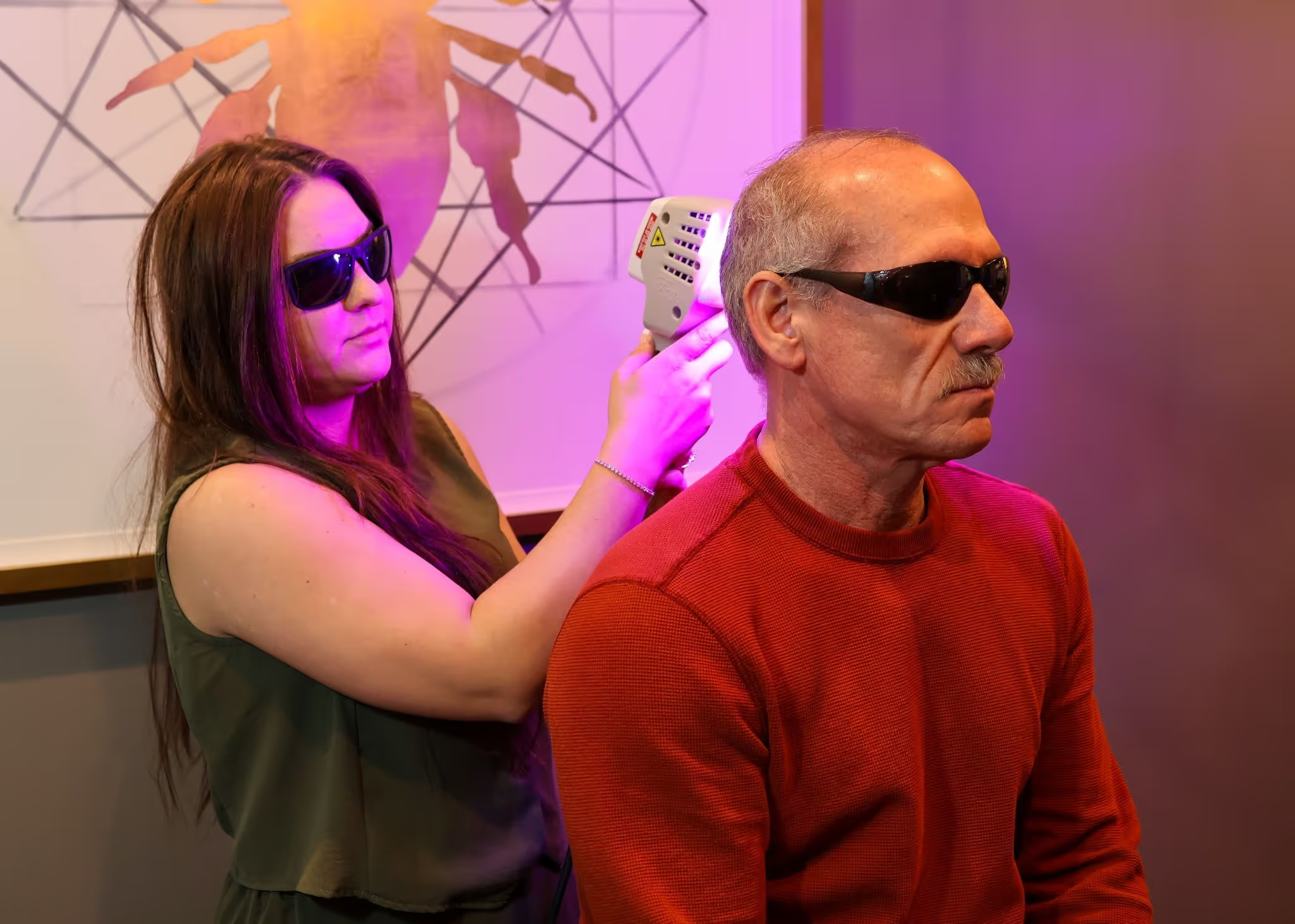
Pain tells you something is wrong, but it doesn't always tell you why. If you keep getting neck pain and reach for painkillers every time, you might feel better for a few hours, but the reason it's coming back hasn't changed.
Imagine driving with your check engine light on and covering it with a piece of tape. You can't see the warning anymore, but the problem is still there. Your body works the same way. The pain may settle down, but poor posture, restricted movement, or changes in the spine can continue putting stress on the same area.
That's why we spend time looking for what's contributing to your symptoms instead of only trying to make them disappear.
How the Spine and Nervous System Work Together
Your spine does more than keep you upright. It also protects your spinal cord, which is part of the nervous system that carries messages between your brain and the rest of your body. Every movement you make and every sensation you feel relies on that communication.
In fact, your nervous system contains billions of nerve cells that send signals throughout your body every second, coordinating everything from muscle movement to reflexes and organ function. When those signals flow efficiently, your body is better able to adapt to what you ask of it.
If joints become restricted or your posture changes over time, it can place extra stress on the structures around the spine and affect how you move and feel. That's why we don't just look at where it hurts. We look at how your body is functioning as a whole and whether something higher up or lower down could be contributing to the problem.
Not sure if your posture could be affecting the way you feel? Take our posture quiz to learn more about your spinal health and whether it might be time for a professional evaluation.
Why Conservative Care Often Comes First
For many spine and joint problems, conservative care is recommended before jumping to more invasive treatments. If your body can recover without surgery or long-term medication, it often makes sense to explore those options first.
That doesn't mean avoiding medical care or trying to push through severe pain. It means starting with approaches that improve movement, reduce strain, and help your body function better while keeping future treatment options open. If another type of care is needed, it can still be part of the plan.
The goal isn't to avoid surgery at all costs. It's to make sure you've given your body the opportunity to respond to less invasive care first, when it's appropriate to do so.
Every Body Is Different
Two people can walk in with the same complaint and need completely different care. One person's back pain might have started after lifting something heavy. Another's could be the result of years of poor posture, an old injury, or repetitive movements at work.
That's why assessments come first. Before making recommendations, we look at how you stand, how you move, and how your spine is functioning. We also consider your health history, daily routine, and what you're hoping to get back to, whether that's playing with your kids, working comfortably, or getting through the day without pain.
Is This Approach Right for Everyone?
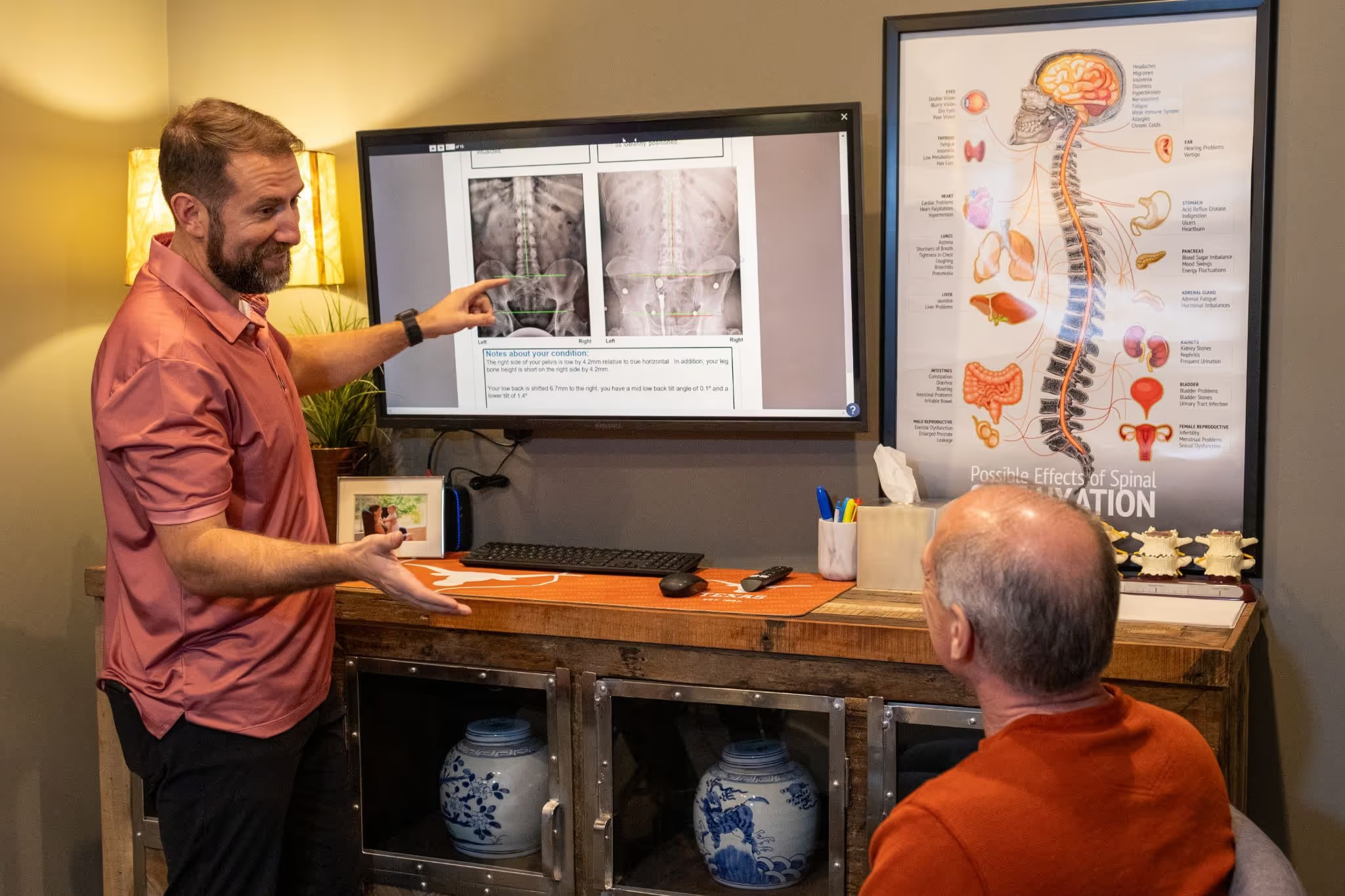
No. Conservative care isn't the right fit for every condition, and that's okay. Some people need imaging, medication, injections, or surgery, depending on what's causing their symptoms.
That's why a proper assessment matters. If something suggests you need additional testing or another type of care, it should be part of the conversation. The goal is to help you make informed decisions, not steer you toward one solution, no matter what.
When conservative care is appropriate, it can play an important role in improving movement, reducing pain, and supporting recovery. When it's not, getting the right referral or treatment is just as important.
Ready to Find Out What's Really Causing Your Pain?
If you've been managing the same pain for weeks, months, or even years, it might be time to ask a different question. Instead of focusing on where it hurts, find out why it keeps coming back. Understanding the cause is often the first step toward lasting relief.
At Thrive Wellness Center, every assessment is designed to give you a clearer picture of what's happening in your body. We'll look at your posture, movement, spinal function, and health history before recommending a plan that's right for you. No rushing to conclusions and no one-size-fits-all approach.
Whether you're dealing with back pain, neck pain, headaches, or simply want answers, we're here to help you understand your options and make informed decisions about your health.

Dr. Ben Ozanne
Chiropractor and Owner of Thrive Wellness Center
Latest from the Blog
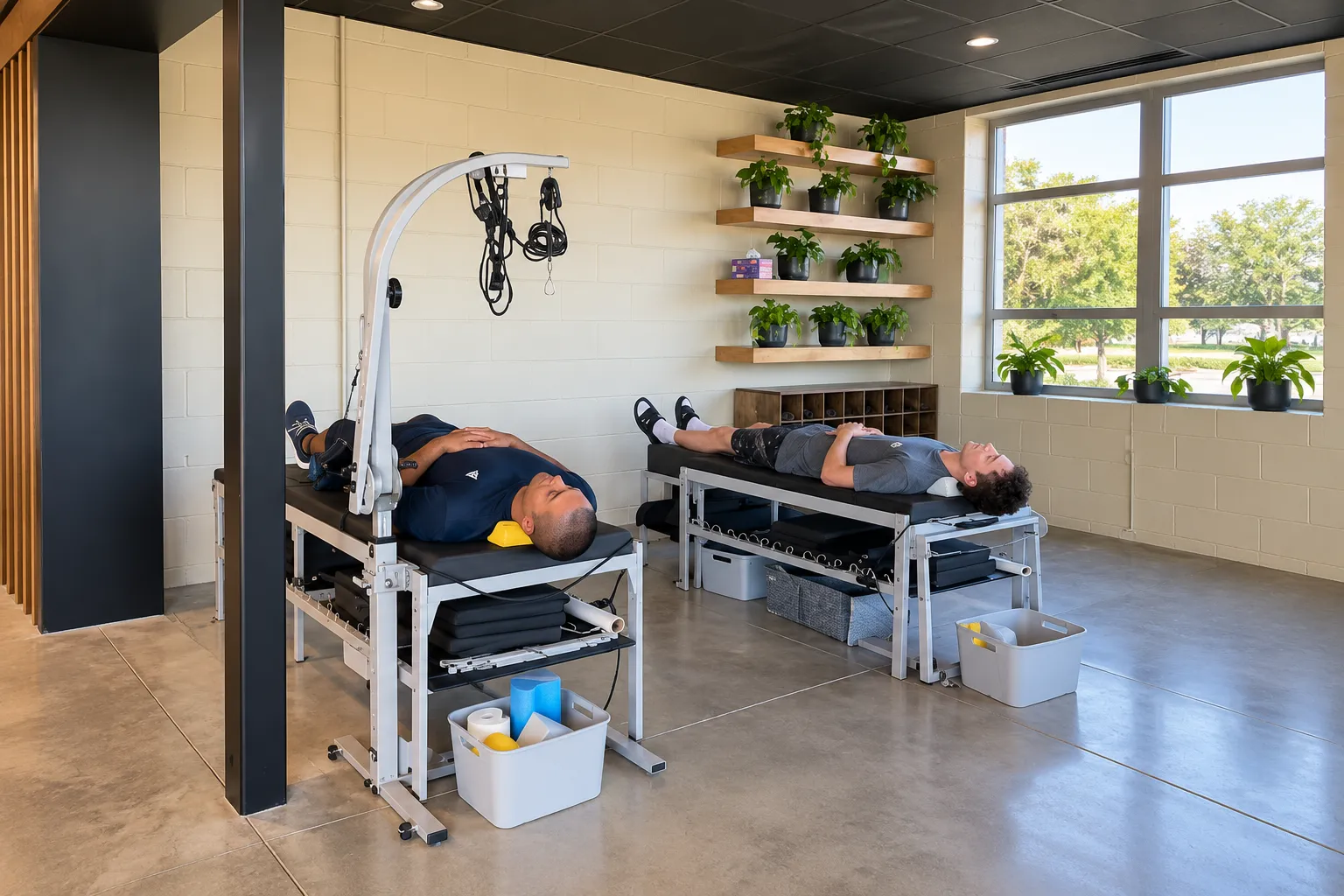
Can Chiropractic BioPhysics Help With Chronic Pain? Here's the Evidence
Chronic pain often returns because temporary relief doesn't fix the underlying structure. See what a six-year CBP case study found and how Thrive Wellness Center uses CBP for lasting correction in Fayetteville, AR.