Why Preventative Chiropractic Care in Fayetteville Saves You Money and Pain
July 10, 2026

You notice it when you stand up from your desk. At first, it's just a twinge. A week later, it's the dull ache that follows you to bed. Most people don't book an appointment at that point. They wait, hoping it will settle on its own. By the time they finally walk into a chiropractor's office, they've already paid for it with restless nights, skipped workouts, and money spent on pain relievers, heating pads, or other temporary fixes. Preventative chiropractic care in Fayetteville takes a different approach. Instead of waiting until pain interrupts your life, it helps you catch small problems early, before they become bigger and more expensive to deal with.
What Waiting Until It Hurts Actually Costs You
Waiting until pain forces your hand almost always ends up costing more. A single emergency room visit for acute back pain can cost between $1,200 and $3,000 before imaging is even added. A routine chiropractic adjustment, by comparison, usually costs $40 to $75. Looking at those numbers side by side, it's easy to see why waiting isn't always the cheaper option.
For many, it starts with hoping the pain will go away on its own. Then the twinge becomes a muscle spasm. You call your primary care doctor, wait for an appointment, and leave with a muscle relaxer and a referral. If the pain doesn't improve, the next step is often an MRI, which averages $1,000 to $3,000 in Northwest Arkansas, depending on where you go. Physical therapy may follow at $75 to $150 per session, often two or three times a week. Add in missed work, and you've likely spent more than you would have on a year of preventative chiropractic care.
The financial cost is only part of it. Pain changes the way you live long before it sends you to the doctor. Maybe you stop walking the Greenway because your back tightens halfway through. Maybe you skip the gym, avoid playing with your kids, or struggle to focus at work after another restless night. Those costs never appear on a bill, but they affect your daily life just the same.
The Math Most People Never Run on Their Own Spine

Think about how you look after your car. Most people wouldn't skip a $60 oil change because they know replacing an engine costs far more. Your spine works much the same way. Small problems are usually easier and less expensive to deal with than the bigger ones that develop when they're ignored.
Over a year, preventative chiropractic care with one or two visits a month typically costs between $500 and $1,200. Compare that to a single flare-up that leads to urgent care, imaging, and a course of physical therapy, which can easily cost more than $4,000. Spinal injections often start around $600 each. If surgery ever becomes necessary, procedures like a discectomy or spinal fusion can range from $20,000 to well over $100,000, depending on your insurance coverage.
The goal isn't to convince you that surgery is inevitable. Most people never need it. The goal is to catch problems while they're still small, when they're often easier, quicker, and less expensive to manage.
How Preventative Chiropractic Care in Fayetteville Works Between Flare-Ups
Preventative chiropractic care is about catching small issues before they start affecting how you move or feel. Even when you're not in pain, your chiropractor can pick up subtle changes in joint movement, posture, or the way your body is compensating. Most patients come in once or twice a month, and the appointments are usually quick.
Your spine isn't much different from a car that gets regular servicing. You don't wait for smoke to pour out of the engine before booking a maintenance appointment. When a vertebra in your lower back isn't moving properly, the muscles around it tighten to protect the area. That tension can pull your posture out of alignment, forcing nearby joints to work harder than they should. A simple adjustment restores movement early, helping stop that chain reaction before pain takes over.
At Thrive, we want to find and address small problems while they're still easy to manage, so you can keep doing the things you enjoy with fewer interruptions. You can learn more about our chiropractic care services and how we build treatment plans around your body
Desk Jobs, Razorback Trails, and the Bodies That Break Down in Northwest Arkansas
Fayetteville puts a specific kind of stress on backs. Half the town sits at a desk for one of the region's corporate offices or works long study hours near the University of Arkansas. The other half is out on the Razorback Greenway or the Kessler Mountain trails on weekends, going hard after five days of sitting still.
That mix is rough on a spine. Sit hunched over a laptop for eight hours, then attack a hilly 10-mile ride Saturday morning, and you're asking a stiff body to perform like a loose one. The weekend-warrior pattern is one of the most common reasons people in this area end up in acute pain, and it's one of the easiest to head off with steady maintenance.
Students get hit differently. Hauling a heavy backpack across a hilly campus, sleeping on a dorm mattress, and pulling all-nighters over a keyboard adds up to neck and upper-back complaints by finals week. A monthly adjustment through the semester keeps that from turning into a headache that wrecks exam prep.
What a Maintenance Visit Catches Before It Becomes a Bigger Bill
A preventative visit can pick up problems before you notice them yourself. Your chiropractor may spot that one hip sits higher than the other, your neck isn't turning as freely as it should, or you've started favoring one side when you walk. These small changes often appear well before pain does.
Addressing them early usually makes treatment much simpler. A joint that's been stiff for a couple of weeks may improve in one or two visits. Leave it for months, and the surrounding muscles can weaken, scar tissue may develop, and recovery often takes longer and costs more.
One benefit often surprises people. Regular adjustments can improve sleep and reduce tension headaches by helping your spine move the way it's supposed to. Patients frequently notice those changes before they realize their back is feeling better.
Is Preventative Chiropractic Care in Fayetteville Worth It for You?

Preventative chiropractic care in Fayetteville is often a good fit if you spend most of your day sitting, stay active on weekends, have recurring back or neck pain, or do physical work that puts extra strain on your body. For people in those situations, regular care can often cost less than treating repeated flare-ups.
At the same time, not everyone needs monthly visits. If you're young, active, pain-free, and your daily routine isn't placing much stress on your body, you may only need to come in when something doesn't feel right. A chiropractor you can trust will recommend the care you need, not a treatment plan you don't.
Research supports preventative chiropractic care for the right people. Studies on chiropractic care for low back pain have found that maintenance care can reduce the number of painful days over time compared with waiting for symptoms to return. Your body, however, isn't an average. The best way to know what makes sense for you is to have your spine evaluated and discuss your lifestyle, health history, and goals with your chiropractor.
Common Questions About Preventative Chiropractic Care
How often should I get adjusted for preventative care?
Most people on a preventative care plan visit their chiropractor once or twice a month. The right schedule depends on factors like your job, activity level, health history, and how your body responds to care. As things improve, your chiropractor should adjust your care plan rather than keeping you on the same schedule indefinitely.
Does insurance cover preventative chiropractic care?
It depends on your insurance plan. Many providers cover chiropractic care for an active condition but limit or exclude maintenance visits once your symptoms improve. If you're unsure what's included, check with your insurance company and ask your chiropractor's office about cash rates, which are often more affordable than people expect.
Can chiropractic care actually prevent injuries?
It can help lower your risk, but it can't guarantee you won't get injured. When your joints move well and your body stays properly aligned, you're less likely to develop the compensation patterns that often lead to strains and flare-ups. A body that moves well is generally better prepared to handle everyday stresses and physical activity.
How much does preventative chiropractic care cost in Fayetteville?
A routine chiropractic adjustment in the Fayetteville area typically costs between $40 and $75 if you're paying out of pocket. Some practices also offer monthly care plans that reduce the cost per visit. Compared with the cost of urgent care, imaging, or physical therapy after a flare-up, preventative care is often the more affordable option.
Start Before It Hurts
The best time to deal with back or neck pain is before it starts affecting your daily life. If you're noticing recurring stiffness, spend long hours at a desk, or want to stay active without worrying about your next flare-up, we'd love to help. Your first visit to Thrive is $49 and includes a consultation and exam, so you can get answers before deciding on the next st

Dr. Ben Ozanne
Chiropractor and Owner of Thrive Wellness Center
Latest from the Blog
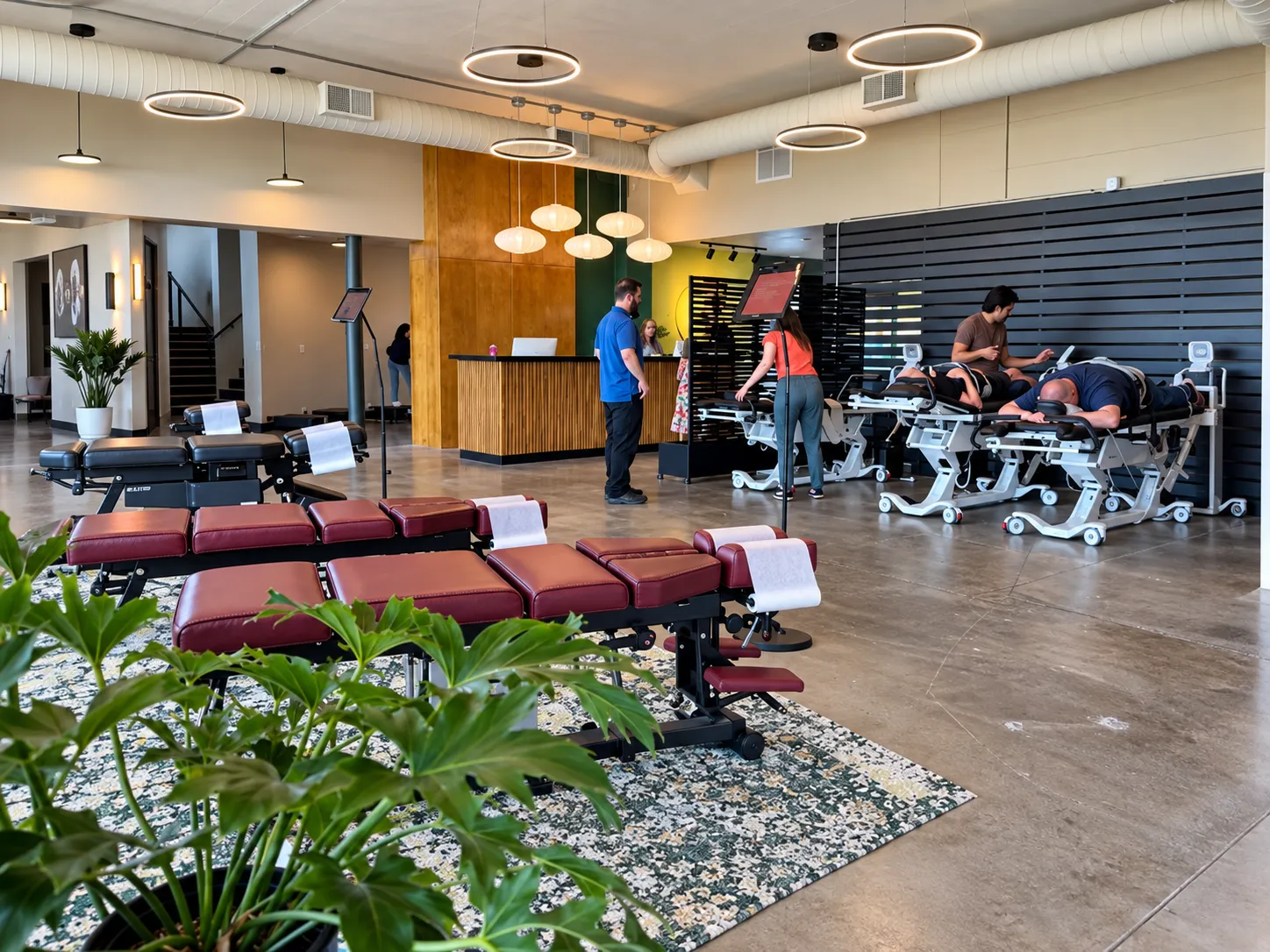
Inside a CBP Treatment Plan: What to Expect From Start to Finish
Wondering what a CBP treatment plan actually involves? See what happens from your first exam and X-rays through adjustments, mirror image traction, and follow-up imaging at Thrive Wellness Center in Fayetteville, AR.
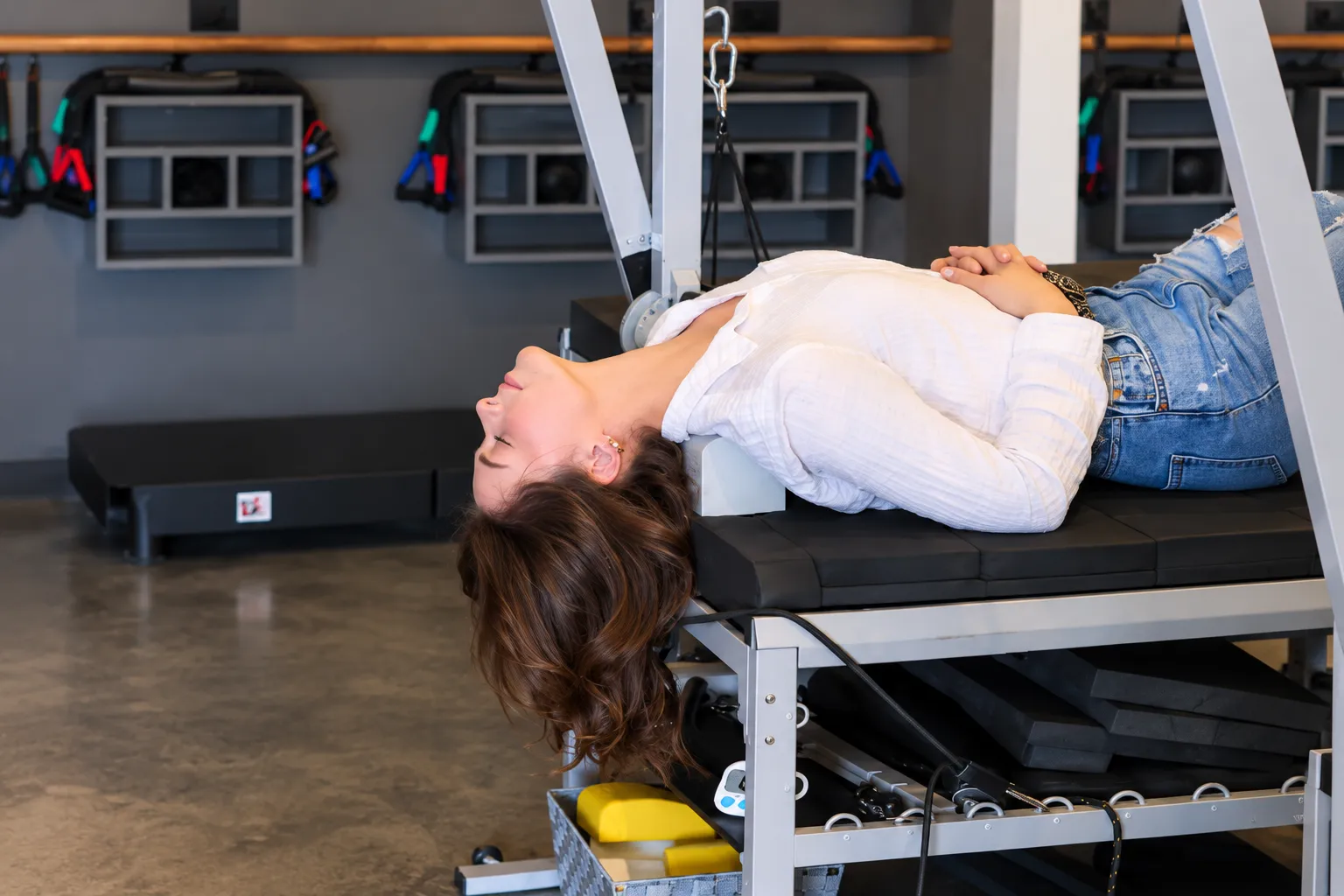
How CBP Postural Correction Techniques Work (and Why They Matter)
Temporary relief from an adjustment doesn't always mean the underlying posture problem is corrected. Here's how CBP postural correction techniques work, what a first visit looks like, and why the approach is built to be measured over time.

Structural Correction vs. Traditional Adjustments: What's the Difference?
Traditional adjustments can restore movement and ease pain. Structural correction adds measurable spinal and postural findings you can track over time. Here is how the two approaches differ, and what progress looks like when it is measured instead of guessed at.