Structural Correction vs. Traditional Adjustments: What's the Difference?
September 15, 2026
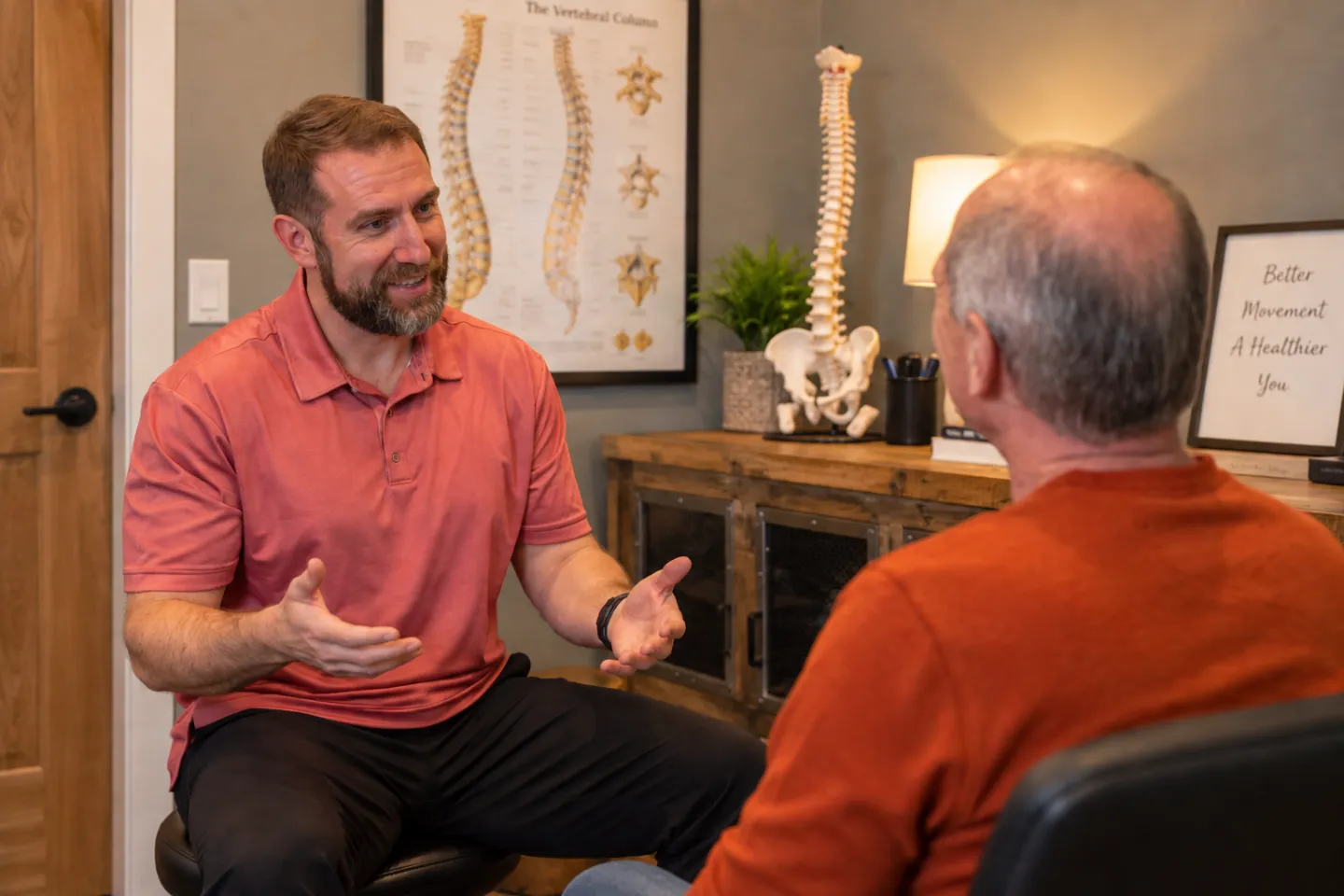
There’s nothing better than finally feeling your pain start to ease. But if you’ve dealt with back pain before, you may also know how frustrating it is when that relief doesn’t last. Research suggests that about 1 in 3 people who recover from an episode of low back pain will experience another episode within the following year.
That raises a bigger question: Is feeling better the whole goal, or should your care also focus on what may be contributing to the problem in the first place?
Key Takeaways
- Structural correction and traditional adjustments can both affect the spine, but they differ in how care is planned and progress is tracked.
- Structural correction uses measurements of spinal curves, alignment, and posture to set a starting point and track changes over time.
- Research on CBP-based care has found measurable changes in spinal alignment alongside improvements in pain and disability.
- Recurring pain is a reason to look beyond how you feel on a given day and assess what may be contributing to the problem.
- At Thrive Wellness Center, Dr. Ozanne uses examinations, digital X-rays, and individualized care plans to work toward specific structural changes rather than relying on pain relief alone.
What Separates Structural Correction From Traditional Adjustments?
Traditional adjustments can restore movement in restricted joints and help reduce pain or muscle tension.
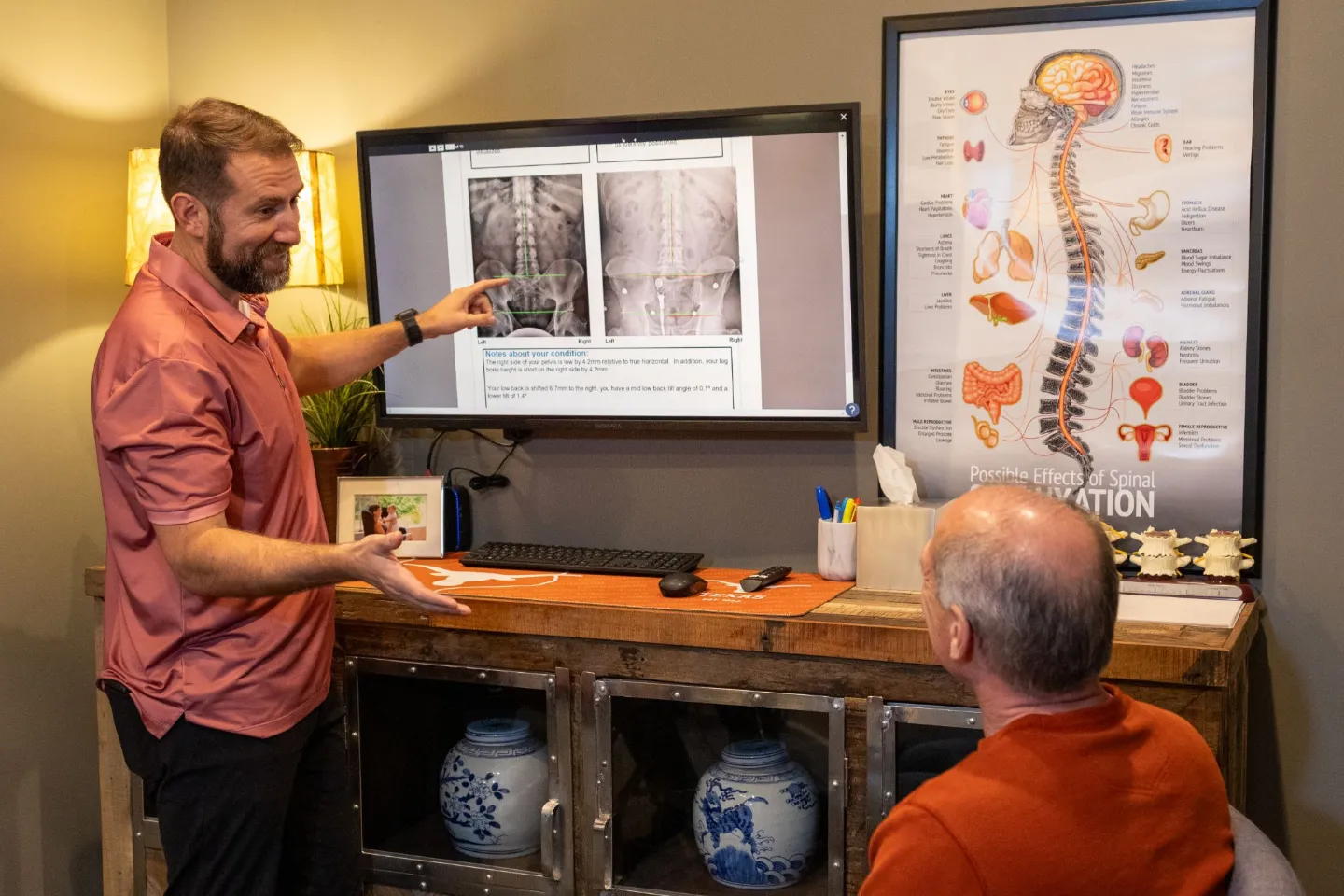
Structural correction also does this, but look at the position, curves, and posture of the spine and work toward measurable changes in those areas over time. So this changes how progress is tracked. Digital X-rays and posture analysis establish where your spine started and give your care team something to compare as care continues.
Your back may hurt less, your neck may feel looser, or a headache may come and go, but those symptoms alone can't show whether your spinal position has changed, which is incredibly important for long term management.
Why Does Fixing the Root Cause Matter?
Your back feels better. Great. But what changed?
If you’ve been through this before, you probably know the pattern. The pain settles down, you get back to work, exercise, driving, picking up your kids, or whatever you normally do. Then a few weeks later, your back starts bothering you again.
That doesn’t automatically mean the adjustment didn’t help. It means feeling better and changing what’s contributing to the problem are two different things.
This is why we look at more than your pain level at Thrive. If your X-rays and posture evaluation show a change in your spinal curves or alignment, we can measure that change as you go. You’re not left wondering whether anything is actually different.
In a systematic review of controlled trials, patients receiving lumbar structural rehabilitation increased their measured lumbar curve by 7 to 11 degrees over 10 to 12 weeks. Those studies also found improvements in pain and disability, with structural and symptom improvements maintained at six months in the randomized trials.
So when we talk about correcting the root cause, we’re not saying pain relief doesn’t matter. It absolutely does. We’re saying it shouldn’t be the only thing we’re looking at.
Does treating symptoms alone actually work long-term?
This is where recurring back pain becomes frustrating.
You can have a flare-up, get it settled, and feel completely normal again. But if the same pattern keeps returning, simply waiting for the next flare-up isn’t much of a plan.
About 1 in 3 people who recover from an episode of low back pain experience another episode within a year, according to one prospective study. Other research has reported recurrence rates of 35% to 44% within a year.
That doesn’t mean traditional adjustments cause recurrence. It means back pain can be recurrent, and there’s value in figuring out what you’re actually trying to change rather than only chasing the next painful episode.
What makes corrective care different from standard adjustments?
Traditional adjustments can help restore movement and reduce pain or muscle tension. There’s a place for that.
Structural correction takes the process further by giving you something specific to work toward and measure. At Thrive, Dr. Ozanne uses your examination, X-rays, and posture findings to determine what structural changes need attention, then tracks those measurements as care progresses.
So instead of the plan being, “Come back when it hurts again,” there’s a bigger picture.
How has your posture changed? What happened to the spinal curve we’re working on? Are the measurements moving in the direction we want?
That’s the point of structural correction. You’re not just measuring how you feel. You’re measuring what’s changing.
How Do You Start Corrective Care in Fayetteville?

Your first visit at Thrive Wellness Center gives Dr. Ozanne the information he needs to build your care plan. You’ll have a consultation, full examination, digital X-rays, and an adjustment during that first appointment.
What happens during the first appointment?
You’ll talk through what brought you in, what you’ve been dealing with, and how it’s affecting your day-to-day life. Dr. Ozanne then uses the examination and X-rays to assess your spine and determine what needs attention.
You’ll leave with a clearer picture of what was found and what the next steps look like.
What does an evidence-based plan include?
Your care plan is based on your specific findings and may include:
- Digital X-rays: Used to assess your spinal structure and identify areas that need correction.
- Spinal decompression therapy: Used when disc or nerve pressure is part of the problem.
- Functional rehab exercises: Help you work on the posture and movement patterns addressed during care.
You won’t be handed a generic treatment plan. The goal is to give you a clear plan based on what Dr. Ozanne found during your evaluation, with each part of your care serving a specific purpose.
FAQ
What is the main difference between structural correction and traditional adjustments?
Traditional adjustments can restore movement in restricted joints and help reduce pain or muscle tension. Structural correction adds a specific focus on changing measurable spinal and postural findings over time, using techniques such as Chiropractic BioPhysics®.
How does structural correction measure progress?
Your spinal curves and alignment can be measured using structural X-rays and compared at different points during care. This gives Dr. Ozanne more than your pain level to use when evaluating your progress.
Who benefits most from structural correction at Thrive Wellness Center?
Structural correction may be a good fit if you’ve been dealing with recurring pain, noticeable postural changes, or a spinal issue that you want to address beyond simply managing symptoms. At Thrive Wellness Center in Fayetteville, Dr. Ozanne uses CBP to build care around your individual findings and track the changes over time.
Choose a Chiropractic Plan You Can Measure
Feeling better is important. But if you’ve been dealing with the same back or neck problem over and over, you may want more than another temporary improvement.
Structural correction gives you a different way to approach care. At Thrive Wellness Center, Dr. Ozanne uses your examination and X-rays to identify the structural changes being targeted, builds your care around those findings, and measures your progress as you go.
That means you have more than a pain score to look at. You can see what’s changing in your spine and whether your care is moving in the direction you set out to achieve.
If you’re in Fayetteville or the surrounding Northwest Arkansas area and want to take a closer look at what’s contributing to your recurring back or neck problems, Thrive can start with a full evaluation and show you what your spine is doing before you decide what comes next.

Dr. Ben Ozanne
Chiropractor and Owner of Thrive Wellness Center
Latest from the Blog
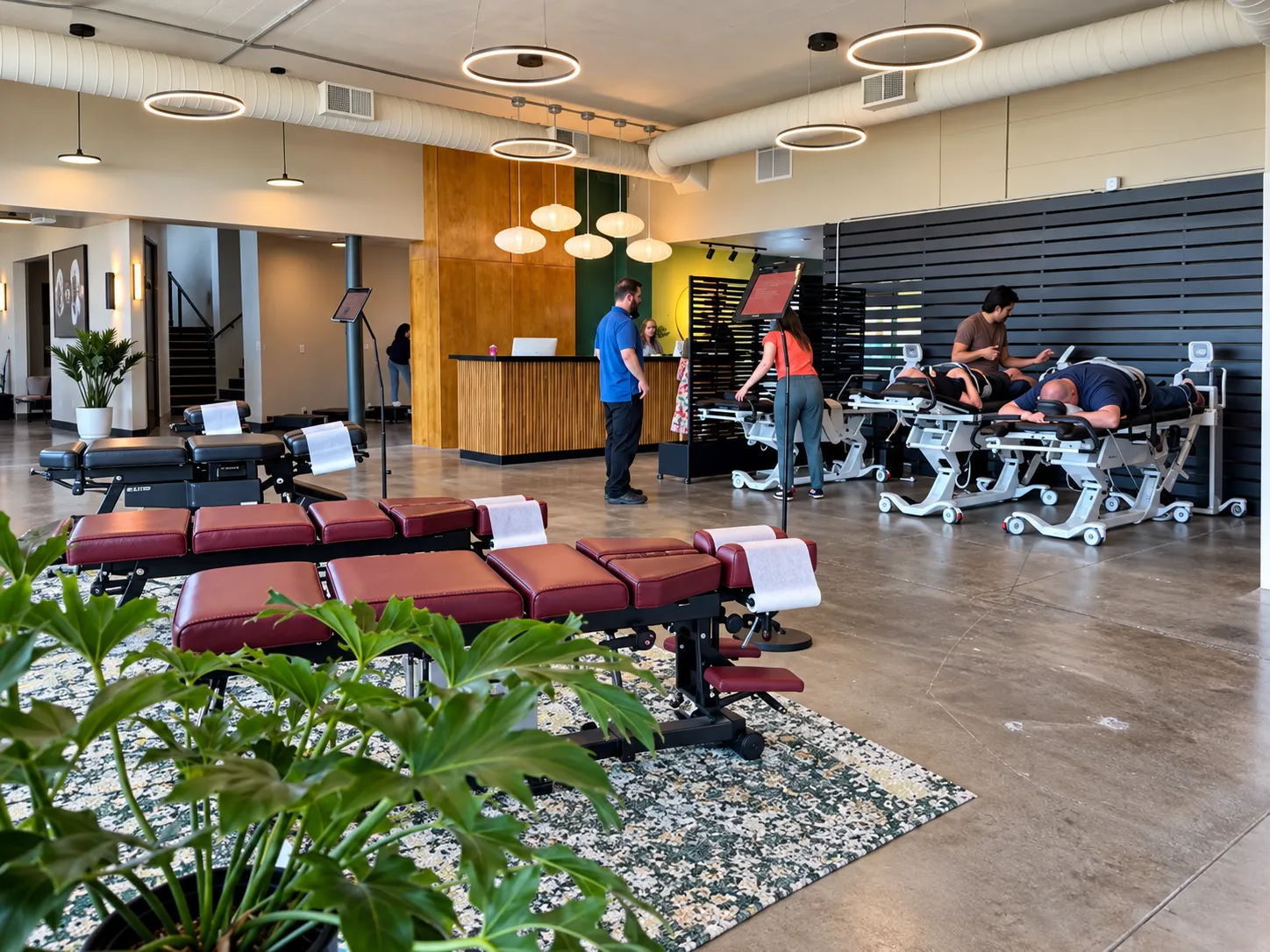
Inside a CBP Treatment Plan: What to Expect From Start to Finish
Wondering what a CBP treatment plan actually involves? See what happens from your first exam and X-rays through adjustments, mirror image traction, and follow-up imaging at Thrive Wellness Center in Fayetteville, AR.
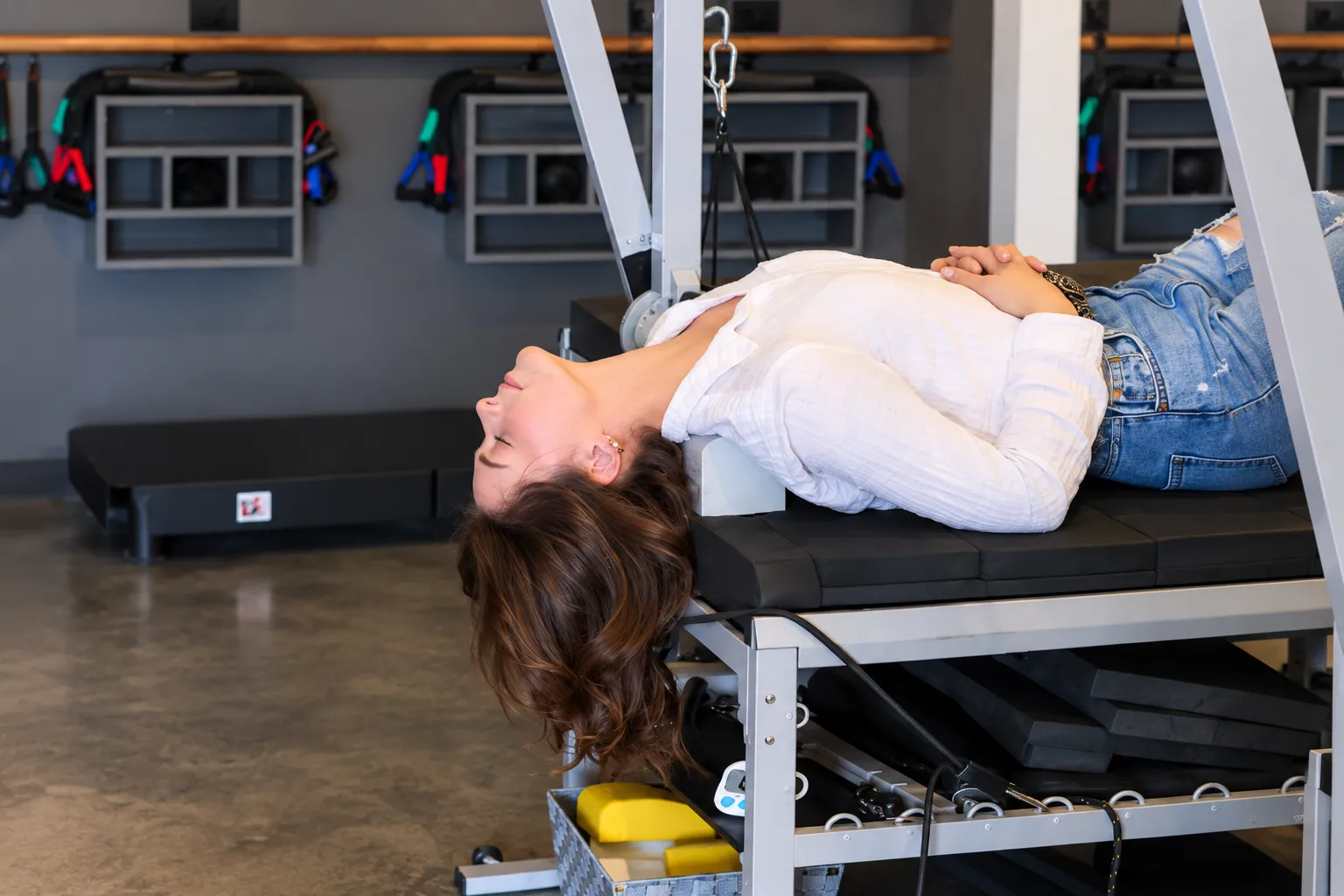
How CBP Postural Correction Techniques Work (and Why They Matter)
Temporary relief from an adjustment doesn't always mean the underlying posture problem is corrected. Here's how CBP postural correction techniques work, what a first visit looks like, and why the approach is built to be measured over time.
What Is Chiropractic Bio Physics? A Patient's Guide to CBP
Chiropractic BioPhysics (CBP) is a research-based corrective chiropractic approach that looks beyond pain relief to correct spinal alignment and posture. Here's what patients can expect from CBP care at Thrive Wellness Center.