How To Recover From Whiplash After An Auto Accident
March 19, 2026
Bottom Line
Your spine is a long chain of bones, discs, muscles, and ligaments that extend from your skull down to your tailbone. The cervical spine (your neck) is designed to support your head and protect the nerves that go out to your face, shoulders, and arms.
Postural changes, repetitive motions, injuries, and accidents can all contribute to neck pain and limited range of motion.
What Is Whiplash?
When it comes to auto accidents, whiplash is one of the most common injuries. It occurs when the head is suddenly forced backward and then forward, putting the cervical spine through extreme stress. Symptoms may include neck pain and stiffness, headaches, dizziness, blurred vision, and fatigue.
Treatment Approach
Research has shown that early, active treatment tends to lead to better outcomes than prolonged rest. Chiropractic care is one of the most effective approaches for treating whiplash injuries. Chiropractors use gentle adjustments to help restore proper motion and alignment to the cervical spine.
Your Recovery Plan
In addition to adjustments, your chiropractor may recommend specific exercises and stretches to strengthen the muscles that support your neck. Your treatment plan may also include guidance on posture, ergonomics, and lifestyle modifications.
Next Steps
If you or someone you know has been in a car accident in the Fayetteville, AR area, don't wait to get help. Schedule a visit with us at Thrive Wellness Center. We're here to help guide your recovery every step of the way.

Dr. Ben Ozanne
Chiropractor and Owner of Thrive Wellness Center
Latest from the Blog
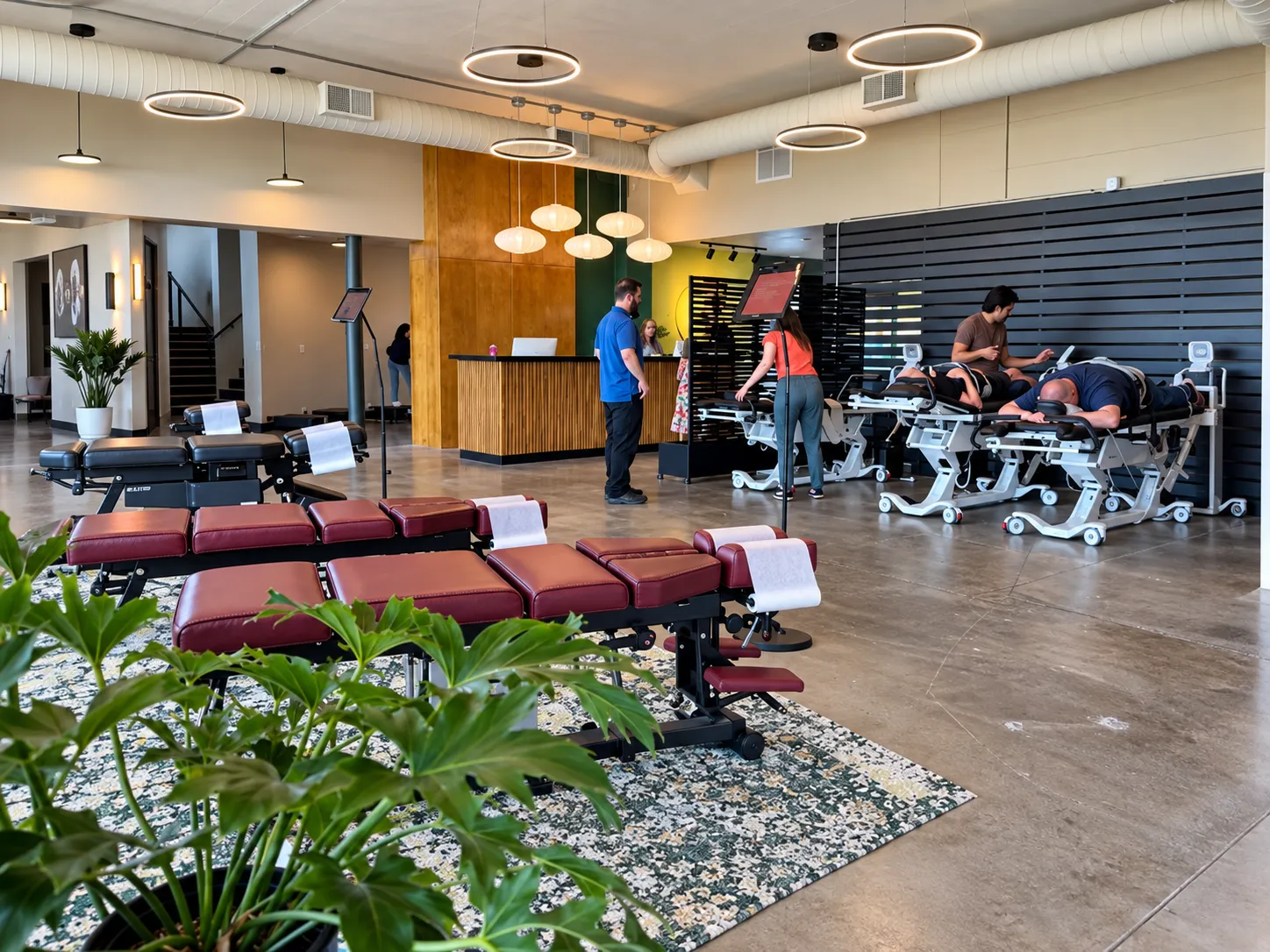
Inside a CBP Treatment Plan: What to Expect From Start to Finish
Wondering what a CBP treatment plan actually involves? See what happens from your first exam and X-rays through adjustments, mirror image traction, and follow-up imaging at Thrive Wellness Center in Fayetteville, AR.
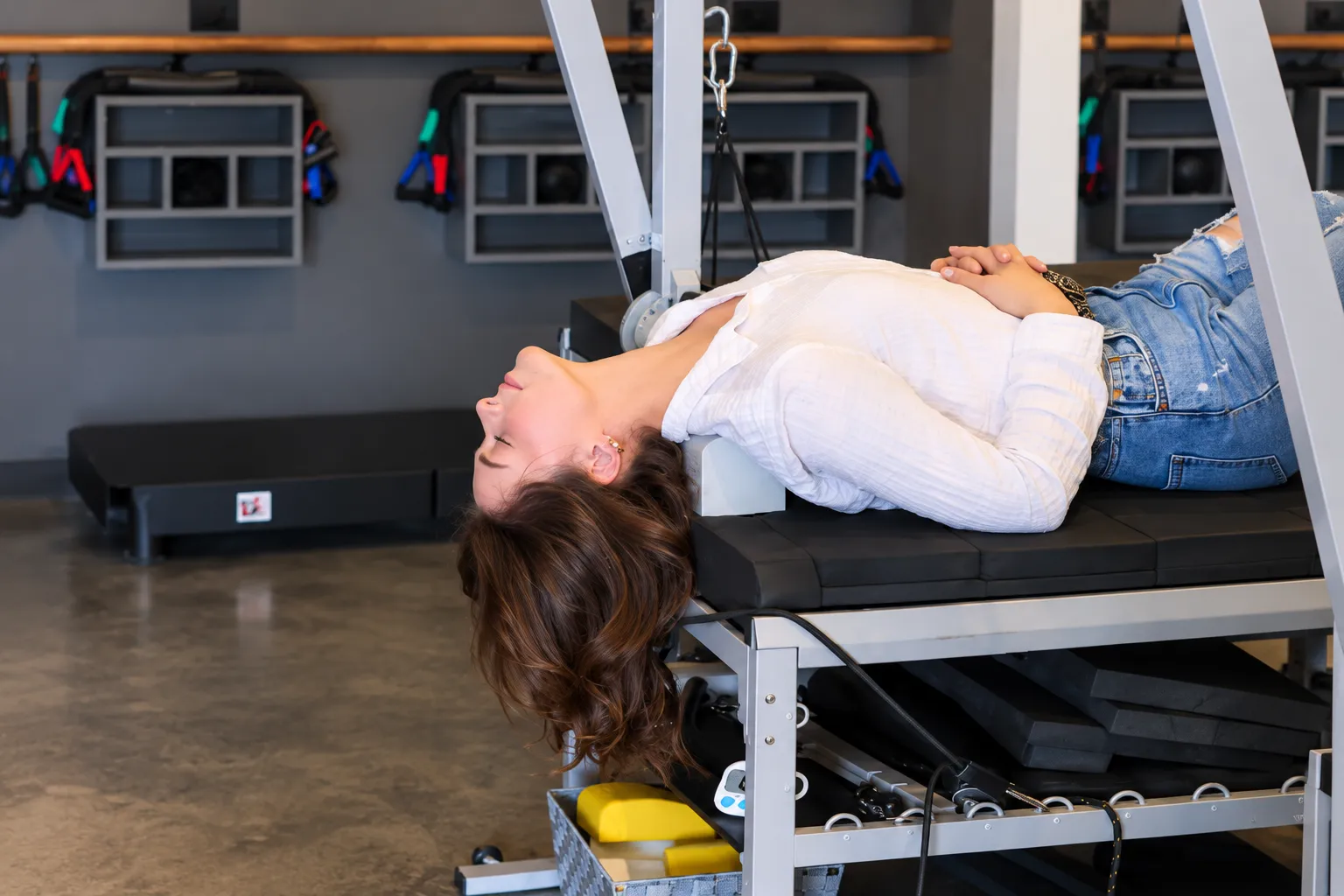
How CBP Postural Correction Techniques Work (and Why They Matter)
Temporary relief from an adjustment doesn't always mean the underlying posture problem is corrected. Here's how CBP postural correction techniques work, what a first visit looks like, and why the approach is built to be measured over time.
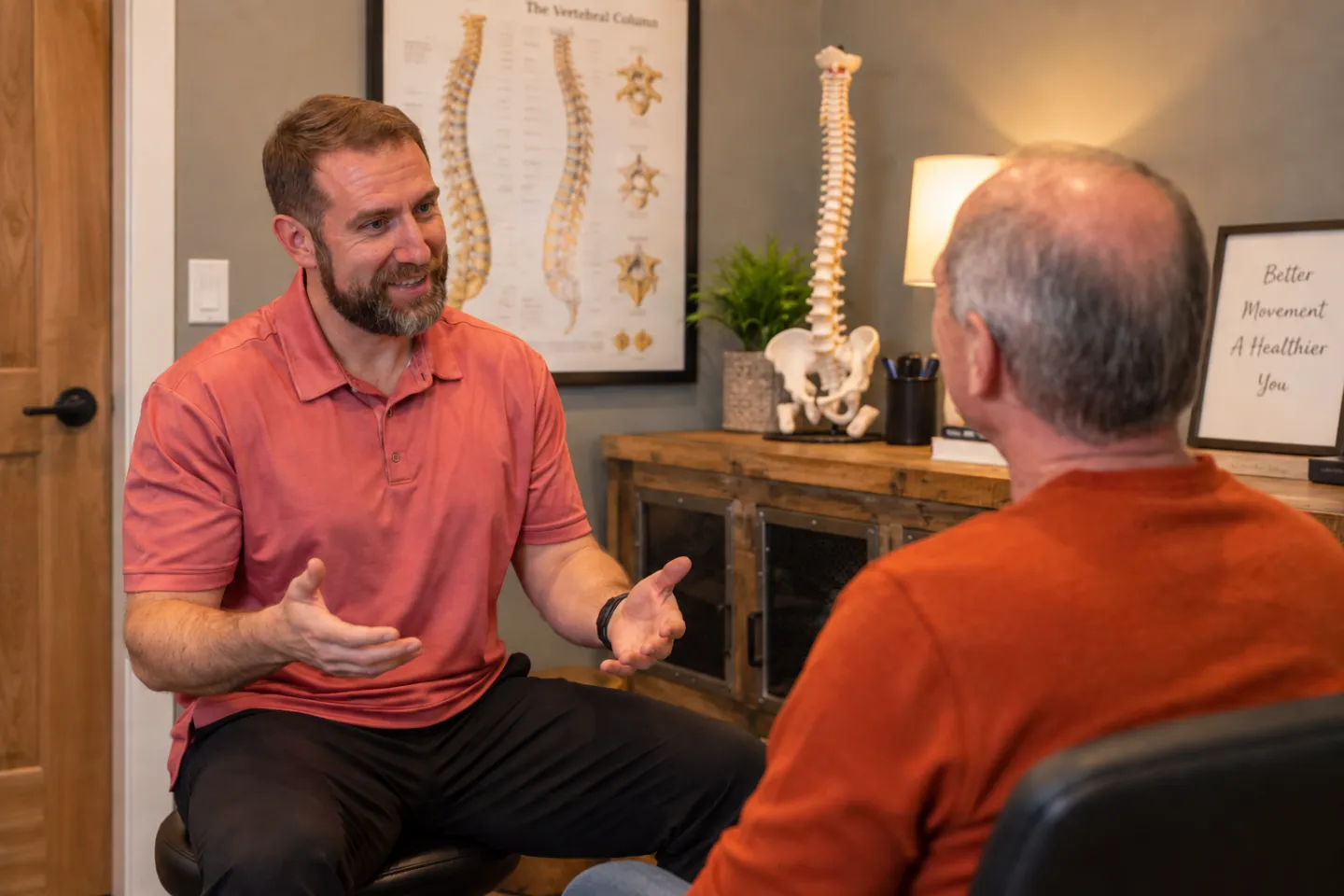
Structural Correction vs. Traditional Adjustments: What's the Difference?
Traditional adjustments can restore movement and ease pain. Structural correction adds measurable spinal and postural findings you can track over time. Here is how the two approaches differ, and what progress looks like when it is measured instead of guessed at.