A Chiropractor's Approach to Managing Chronic Pain Without Medication
July 7, 2026
Chronic pain affects millions of people worldwide, and for many, medication becomes part of everyday life. It can take the edge off, but if the pain keeps returning, it's worth asking why.
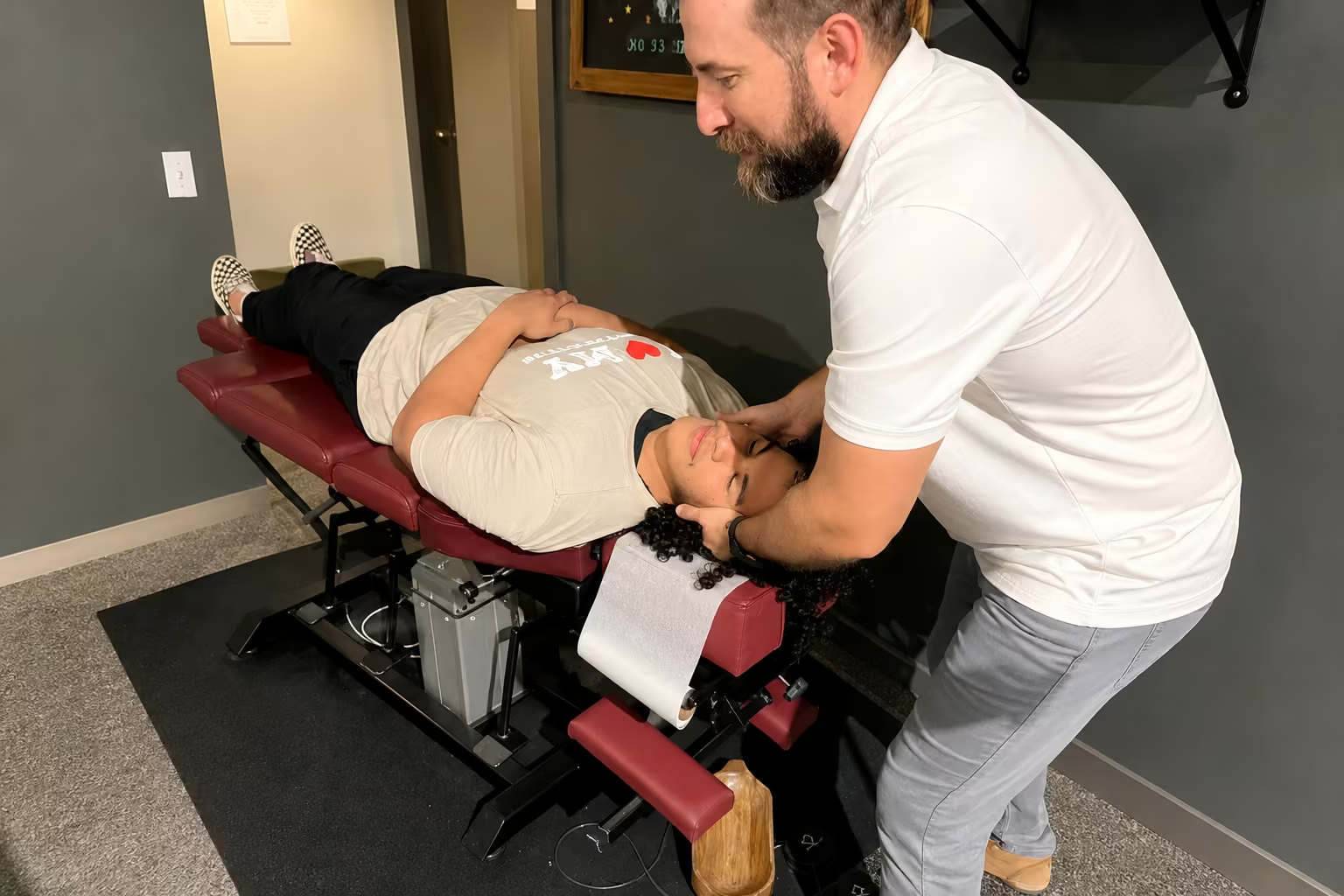
At Thrive Wellness Center, that's the first question we ask. Instead of focusing only on where it hurts, we look at what's contributing to the pain in the first place (this is called chiropractic care). That could be the way your spine moves, how your body is compensating, or other mechanical issues that medication alone can't address.
Key Takeaways
- Chronic pain often develops over time as your body adapts to repeated movements, poor posture, old injuries, or ongoing stress.
- Pain medication can help manage symptoms, but it doesn't correct the underlying mechanical issues that may be contributing to your pain.
- Chiropractic care focuses on finding why you're hurting, so treatment is based on your body, not a one-size-fits-all approach.
- Small habits, including how you move, sit, exercise, and manage stress, can make a meaningful difference in long-term pain relief.
- Your first visit at Thrive Wellness Center is designed to give you answers about what's causing your pain and the treatment options available to you.
Techniques Utilized
We've seen people come in after trying just about everything. Pain medication. Rest. Ice and heat. Stretching. Massage. Even chiropractic care elsewhere. More often than not, they're here because the pain keeps coming back, and they're tired of chasing temporary relief.
The techniques we use depend on what's causing your pain, but they often include:
- Spinal Adjustments: Gentle, targeted adjustments help restore movement to joints that aren't moving properly. That can reduce pressure on nearby nerves, improve mobility, and make everyday activities more comfortable.
- Postural Evaluations: The way you stand, sit, and move can tell us a lot about what's contributing to your pain. We assess your posture to identify imbalances and show you how small changes can help prevent the problem from coming back.
- Spinal Decompression Therapy: By gently stretching the spine, decompression therapy creates more space for irritated discs and nerves. This can reduce pressure, improve movement, and support your body's natural healing process.
The care you receive is based on your symptoms, your examination, and what's actually causing your pain, so you're getting the treatment your body needs rather than the same approach as everyone else.
Benefits of Non-Pharmacological Treatments
Most people don't care what a treatment is called. They care about whether they'll be able to work without pain, play with their kids, get through the day more comfortably, or finally stop relying on medication. That's exactly what chiropractic care is designed to help with.
- Finding the Cause: We don't stop at where it hurts. We look for what's creating the problem in the first place, whether that's poor movement, spinal misalignments, muscle imbalances, or pressure on nearby nerves.
- Moving More Freely: When your body moves the way it's supposed to, everyday tasks often become easier. Walking, exercising, working, or even getting out of bed shouldn't feel like a challenge.
- Long-Term Relief: Medication can help manage pain, but it doesn't always address why it's there. By focusing on the underlying cause, chiropractic care aims to reduce recurring pain instead of simply helping you get through another day.
At Thrive Wellness Center, every treatment plan starts with understanding what's happening in your body. Once we know that, we can recommend the techniques that make the most sense for you instead of taking a one-treatment-fits-all approach.
Understanding Chronic Pain and Why It Happens

Pain isn't always caused by one big injury. More often, it's the result of the same movement, posture, or habit repeated over and over again.
Think about someone who spends eight hours a day at a desk. At first, nothing feels wrong. After months or years, their shoulders start rounding forward, their neck works harder to support their head, and their lower back begins taking on more stress than it was designed to. Before long, what started as a small ache becomes something they're dealing with every day.
You've probably heard the saying quite a few times, "Stand up straight." People didn't say that just because it looked better. Good posture helps your body distribute weight the way it was designed to. When your body stays out of alignment for long enough, other muscles and joints start compensating. That's often when chronic pain develops.
Stress can also play a role. When you're stressed, your brain switches into "protective mode." Your muscles tighten without you even realizing it, especially around your neck, shoulders, and jaw. Your breathing often becomes shallower, and your body stays on high alert. If that happens for days, weeks, or months, those muscles don't get much of a chance to fully relax. The constant tension places extra strain on your joints and spine, which can make existing pain worse or contribute to new aches developing.
Why Medication Alone May Not Address the Root Cause
Pain medication can be incredibly helpful, especially after an injury or surgery. But when it comes to chronic pain, it's important to understand what medication is actually doing. It’s like putting a piece of tape over your car's warning light. The light disappears, but the engine still needs attention, right?
Pain medication works in a similar way. It helps reduce the signals your brain receives, making the pain easier to manage. What it doesn't do is correct the joint that isn't moving properly, improve your posture, reduce pressure on a nerve, or strengthen the muscles that are placing extra stress on your body.
That's why the pain often returns once the medication wears off.
How Chiropractic Care Supports Chronic Pain Management
Once you understand what's causing the pain, the next step is creating a plan to address it. Rather than giving every patient the same treatment, we build your care around what your examination shows and how your body is moving.
- Chiropractic Adjustments: When a joint isn't moving the way it should, nearby muscles and nerves can end up under extra stress. Gentle adjustments help restore normal movement, which can reduce discomfort and improve the way your body functions.
- Rehabilitation Exercises: Treatment doesn't stop when you leave the office. We may recommend specific exercises to strengthen weaker muscles, improve stability, and help your body hold onto the progress you're making.
- Postural Correction: Your posture is something you carry with you every day. Small improvements in the way you sit, stand, and move can reduce unnecessary strain on your spine and help prevent the same problem from returning.
Common Types of Chronic Pain Chiropractors May Help With
Some of the most common conditions we help people manage include:
- Chronic Back Pain: Whether it's from years of sitting at a desk, heavy lifting, or an old injury that never quite healed, back pain is one of the most common reasons people visit us.
- Neck Pain: Long hours looking at a computer or phone, poor posture, and repetitive movements can all place extra strain on your neck, leading to stiffness, headaches, and ongoing discomfort.
- Headaches and Migraines: In some cases, headaches can be linked to tension in the neck or restricted movement in the upper spine. Improving how those areas move may help reduce how often headaches occur.
What to Expect from Chiropractic Care at Thrive Wellness Center
Walking into a new healthcare office can feel a little intimidating, especially if you've never seen a chiropractor before. We want you to know exactly what to expect.
Your first visit starts with a conversation. We'll ask about your symptoms, your health history, what you've already tried, and how pain is affecting your day-to-day life. From there, we'll perform a thorough examination to understand what's happening and determine whether chiropractic care is the right fit for you.
Once we have those answers, we'll walk you through our findings and recommend a treatment plan based on your condition, your goals, and what your body needs. If we don't think chiropractic care is the best option, we'll tell you that too.
At Thrive Wellness Center, we believe you should leave your first appointment with answers, not more questions.
Lifestyle Habits That Support Long-Term Pain Relief
What you do between appointments can make a real difference in how your body feels over time.
- Eat to Support Recovery: Foods rich in nutrients and lower in processed ingredients can help support your body's natural healing processes and reduce inflammation.
- Keep Moving: You don't have to spend hours in the gym. Walking, stretching, and the rehabilitation exercises we recommend all help keep your joints moving and your muscles strong.
- Don't Overlook Stress: Studies have found that practices like meditation and mindfulness can help reduce chronic pain. That's because stress keeps your body in a constant state of tension. Muscles stay tight, breathing becomes shallower, and your nervous system stays on high alert, all of which can make pain feel worse. Giving your body a chance to relax can help break that cycle.
When to See a Chiropractor for Chronic Pain
It's easy to convince yourself that the pain will eventually go away. You tell yourself to give it another week, try a different pillow, take another painkiller, or hope some extra rest will fix it. Before you know it, weeks have turned into months.
If your pain keeps coming back, is stopping you from doing the things you enjoy, or you've tried different treatments without lasting relief, it's probably time to find out why. The sooner you understand what's causing your pain, the sooner you can start addressing it. In many cases, that means preventing your body from developing even more compensations that can lead to additional pain over time.
At Thrive Wellness Center, your first visit isn't about committing to treatment. It's about getting answers so you can decide what the right next step is for you.
Ready to Find Out What's Really Causing Your Pain?
Pain has a funny way of becoming part of your routine. You stop sitting a certain way, avoid picking things up, or think twice before making plans because you're worried about how you'll feel later. It happens so gradually that many people don't realize how much their pain has changed the way they live.
But you don't have to settle for simply managing it!
At Thrive Wellness Center, the first step is understanding why you're in pain. Once we know what's contributing to it, we'll explain what we found, answer your questions, and recommend the treatment options that make the most sense for your body.
Your first visit is about getting answers, not feeling pressured into treatment. If you're ready to understand what's really causing your pain, we'd love to help.
Frequently Asked Questions (FAQs)
Is chiropractic care safe for chronic pain management?
Yes. When performed by a licensed chiropractor, chiropractic care is considered a safe, non-invasive option for many people with chronic pain. At Thrive Wellness Center, every treatment begins with a thorough examination to make sure the care we recommend is appropriate for your condition.
How many chiropractic sessions are typically needed to see improvement?
That depends on what's causing your pain and how long you've been dealing with it. Some people notice changes within the first few visits, while others need more time to correct problems that have developed over months or years. After your examination, we'll explain what we recommend and why.
Can chiropractic care be used alongside other treatments?
Yes. Chiropractic care is often used alongside other medical treatments, physical therapy, or rehabilitation programs. If you're already receiving care elsewhere, we'll take that into account when creating your treatment plan.
Will I need to continue chiropractic treatment indefinitely?
Not necessarily. Some people come in for a specific problem and finish treatment once they've reached their goals. Others choose occasional maintenance visits because they like how they feel. It all depends on your condition, your goals, and how your body responds to care.
Are chiropractic adjustments painful?
Most chiropractic adjustments aren't painful. You may feel pressure or hear a popping sound during an adjustment, which is simply gas being released from the joint. Some people experience mild soreness afterward, similar to what you might feel after starting a new workout, but it usually settles within a day or two.

Dr. Ben Ozanne
Chiropractor and Owner of Thrive Wellness Center
Latest from the Blog
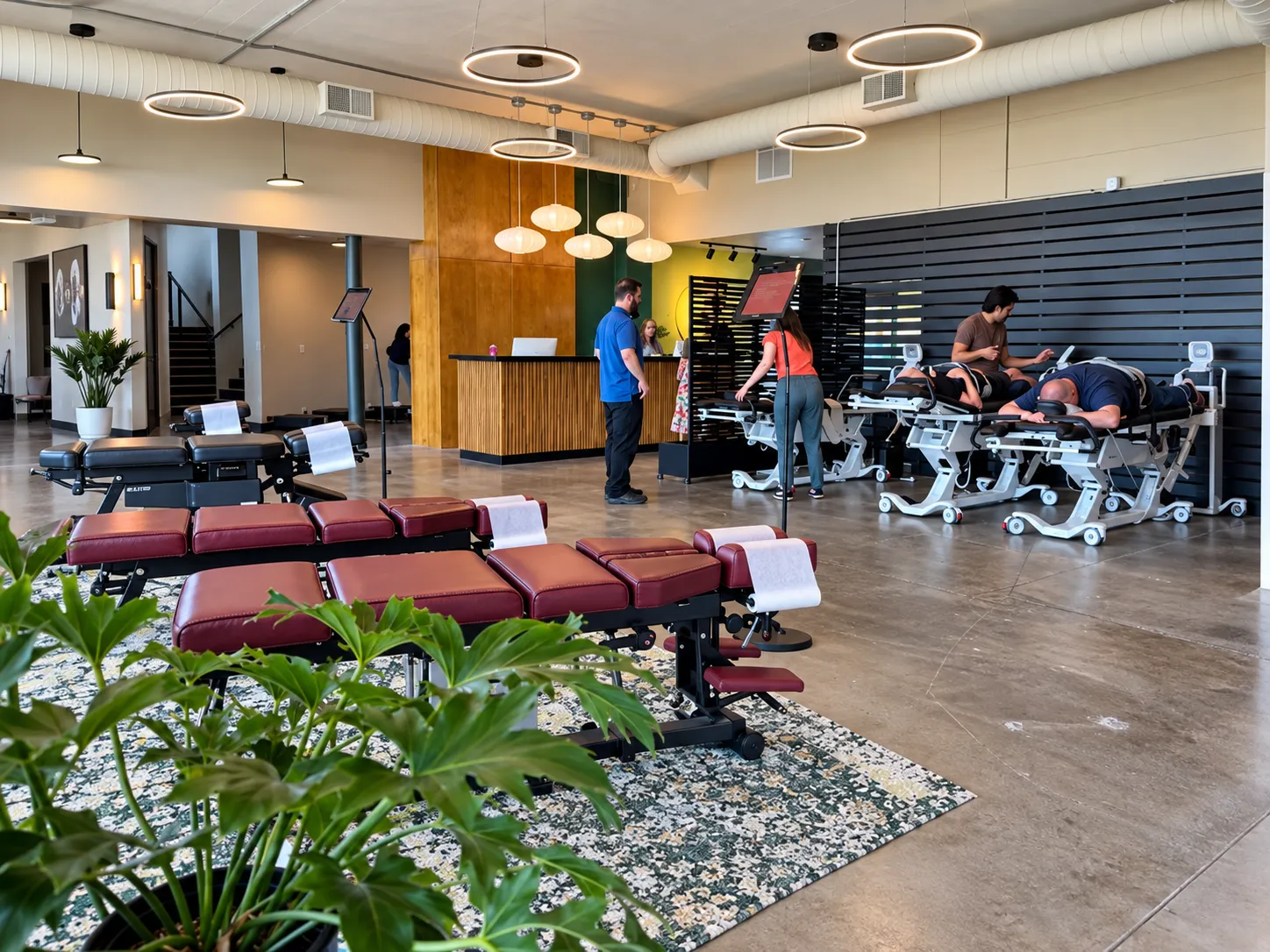
Inside a CBP Treatment Plan: What to Expect From Start to Finish
Wondering what a CBP treatment plan actually involves? See what happens from your first exam and X-rays through adjustments, mirror image traction, and follow-up imaging at Thrive Wellness Center in Fayetteville, AR.
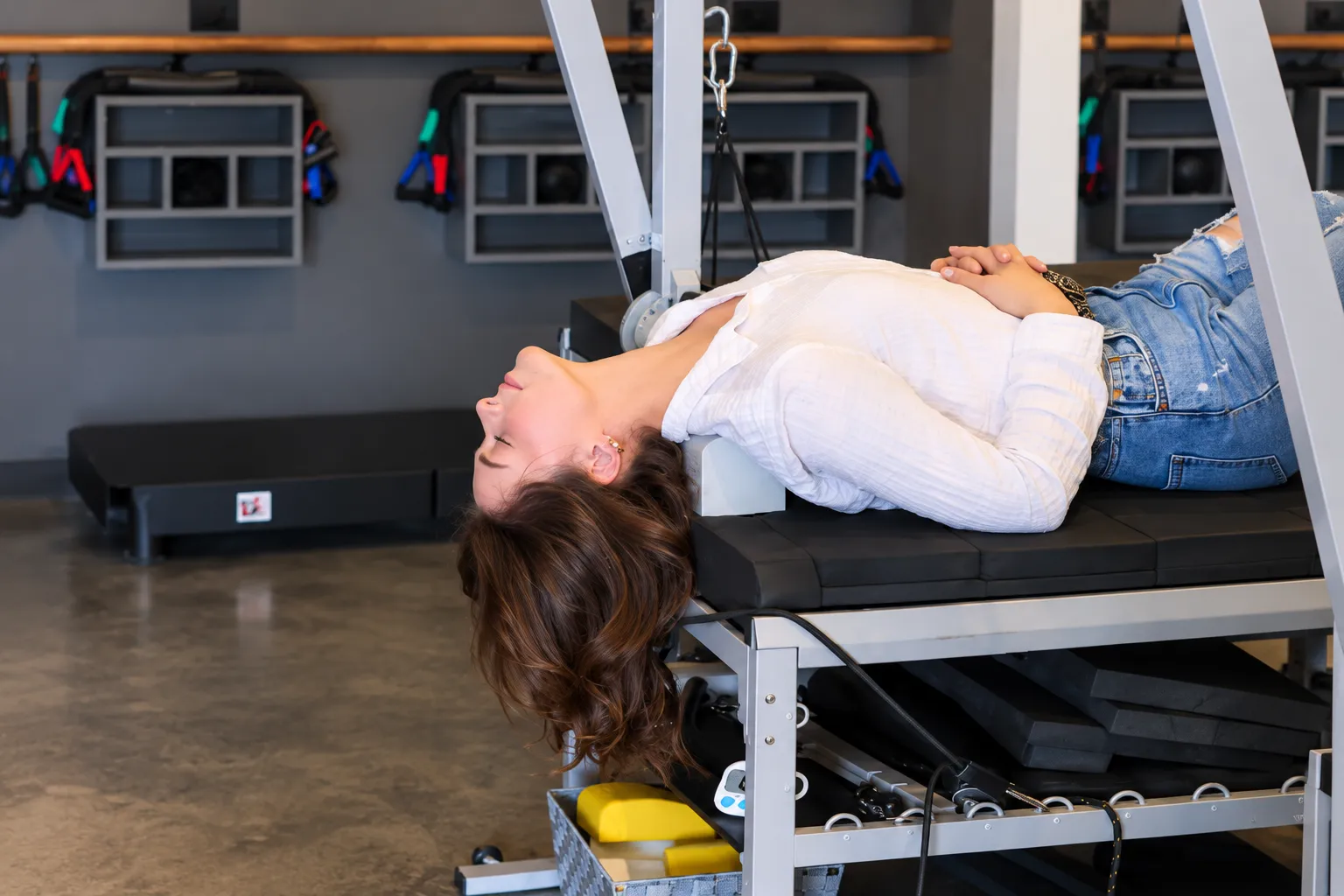
How CBP Postural Correction Techniques Work (and Why They Matter)
Temporary relief from an adjustment doesn't always mean the underlying posture problem is corrected. Here's how CBP postural correction techniques work, what a first visit looks like, and why the approach is built to be measured over time.
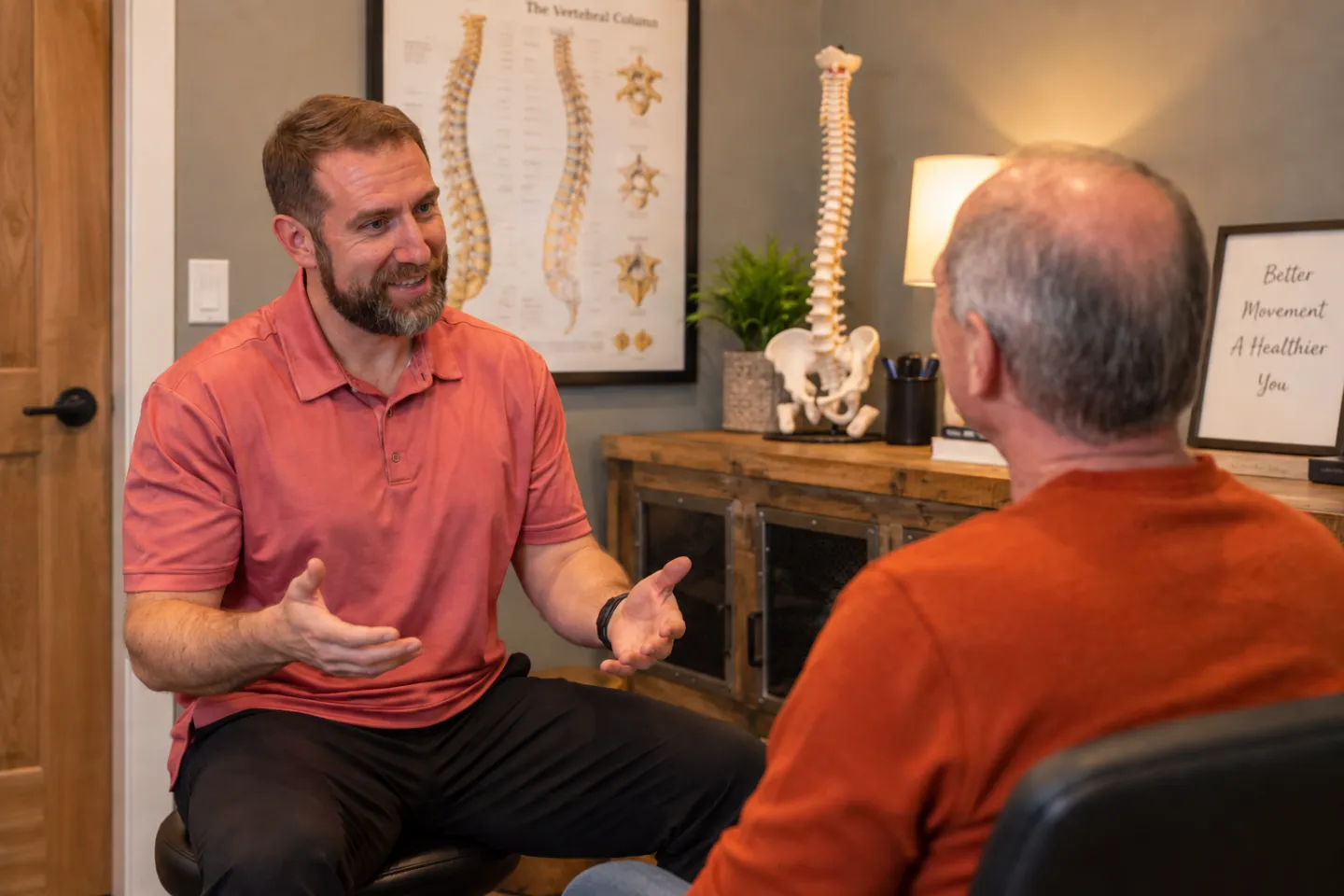
Structural Correction vs. Traditional Adjustments: What's the Difference?
Traditional adjustments can restore movement and ease pain. Structural correction adds measurable spinal and postural findings you can track over time. Here is how the two approaches differ, and what progress looks like when it is measured instead of guessed at.