Chiropractic Treatment Options Available in Fayetteville, AR
August 19, 2026
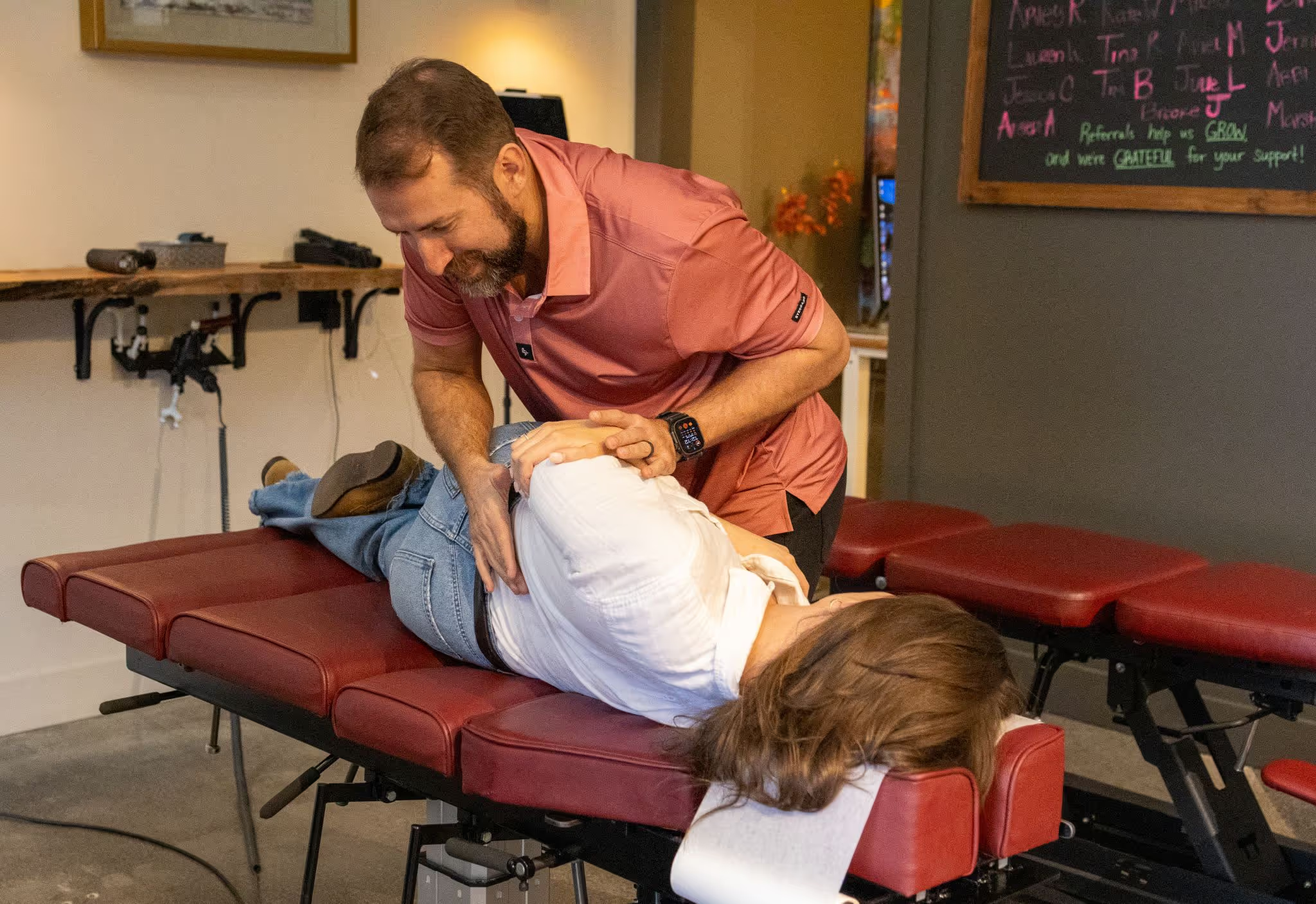
Back pain has a way of affecting everything. Work gets harder. Sleep gets uncomfortable. Even simple things like driving, exercising, or picking up your kids can start to wear you down.
For many people in Fayetteville, chiropractic care becomes an option after stretches, pain medication, or temporary fixes stop providing lasting relief. At Thrive Wellness Center, patients commonly seek care for lower back pain, neck tension, headaches, sciatica, and posture-related issues that interfere with work, sleep, and everyday movement.
Instead of focusing only on where the pain is located, our chiropractors look at how the spine is functioning as a whole. As the only CBP-certified practice in Fayetteville, Thrive Wellness Center focuses on spinal alignment, movement patterns, nerve pressure, posture, and habits that may be contributing to your problem.
Common Conditions Treated by Chiropractors
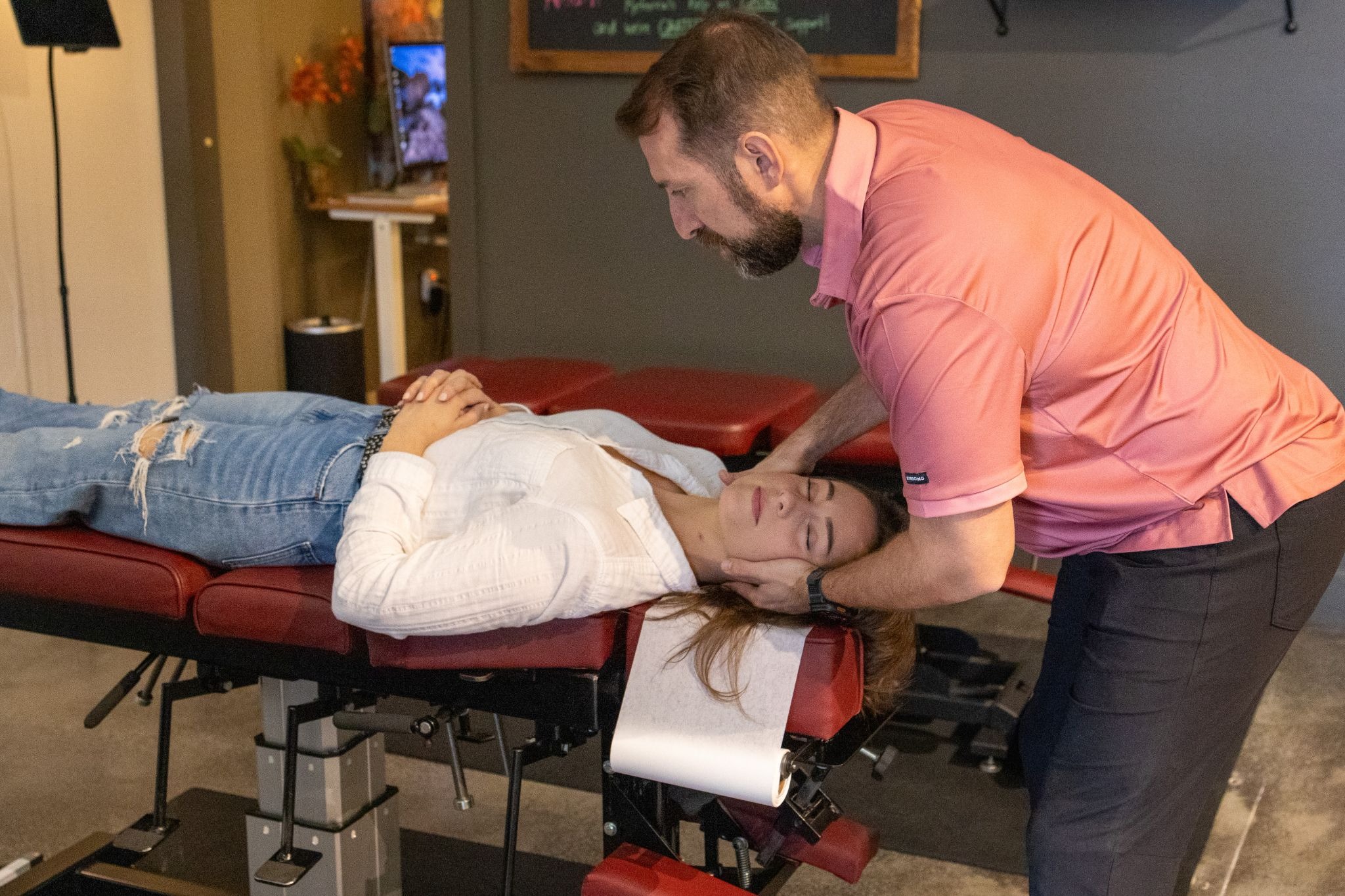
Our chiropractors treat a wide range of musculoskeletal conditions that can make everyday life frustrating, uncomfortable, or exhausting.
Common examples include:
- Lower Back Pain: So many patients come in thinking they just “slept wrong” or lifted something awkwardly. Then weeks go by, and the pain is still there. Sitting too long starts getting irritating. Sleeping comfortably becomes difficult. Even small movements feel more frustrating than they should. Spinal adjustments and stretching can help release some of that pressure you're feeling.
- Neck Pain: Ever notice how stress seems to settle straight into the neck and shoulders? Long hours at a desk, poor posture, and constantly looking down at screens can create a surprising amount of tension. At Thrive, soft tissue work and adjustments are often used to help loosen things up and improve movement through the neck.
- Headaches: Some headaches actually have very little to do with the head itself. Tight muscles through the neck and upper back can slowly build pressure throughout the day until it turns into that dull, exhausting ache people keep trying to push through. As the neck and upper back start loosening up with adjustments and soft tissue therapy, the headaches often become less exhausting to deal with.
- Sciatica: One bad sciatica flare-up is usually enough to get someone’s attention. Driving hurts. Sitting hurts. Standing too long hurts. The pain may travel all the way down the leg (depending on how irritated the sciatic nerve has become). Nerve irritation is usually treated with adjustments and mobility work to improve movement and reduce pressure.
In 2006, a clinical study on spinal manipulation found that some patients with acute lower back pain and sciatica experienced noticeable improvements in pain, movement, and daily function after treatment. The results were strongest when treatment was combined with stretching, strengthening exercises, and movement-based recovery plans.
Chiropractic Adjustments and Spinal Manipulation
Chiropractic adjustments, also called spinal manipulation, are designed to improve how the joints in your spine move and function. When certain joints stop moving properly, the surrounding muscles often tighten up to compensate. Over time, that can lead to stiffness, tension, reduced mobility, and ongoing discomfort that keeps coming back.
Think of it like driving a car with poor alignment. The problem does not stay in one place for long. Other areas start working harder to make up for it.
Some commonly reported benefits include:
- Pain Relief: Many patients come in because everyday activities have started feeling harder than they should. Sitting through work, getting comfortable at night, exercising, or even turning your head while driving can become frustrating when pain is constant. Some people notice relief shortly after an adjustment, while others improve more gradually over several visits, depending on the cause and severity of the issue.
- Improved Mobility and Function: Tight muscles and restricted joints can affect how your entire body moves. Patients often notice stiffness when bending over, walking long distances, or getting up after sitting for too long. Spinal adjustments and movement-focused therapies are designed to help restore range of motion and improve physical function.
- Reduced Muscle Tension: When certain muscles stay tight for long periods, they can start pulling other parts of the body out of balance. Chiropractic treatment is often combined with stretching, soft tissue therapy, and corrective exercises to reduce tension and improve movement patterns that may be contributing to discomfort.
- Non-Surgical, Drug-Free Care: Many explore chiropractic care because they want another option besides relying only on pain medication or more invasive procedures. The goal is not simply to mask symptoms for a few hours, but to better understand what may be contributing to the pain in the first place.
Before starting treatment, we evaluate posture, movement, pain patterns, lifestyle habits, and spinal function to create a care plan tailored to the patient’s symptoms and mobility goals.
Spinal Decompression Therapy
When a spinal disc becomes compressed, it can start placing pressure on nearby nerves. That pressure is often what causes symptoms like lower back pain, sciatica, numbness, tingling, or pain that travels down the legs. For some people, sitting becomes uncomfortable. Others notice pain when walking, bending, or standing for long periods.
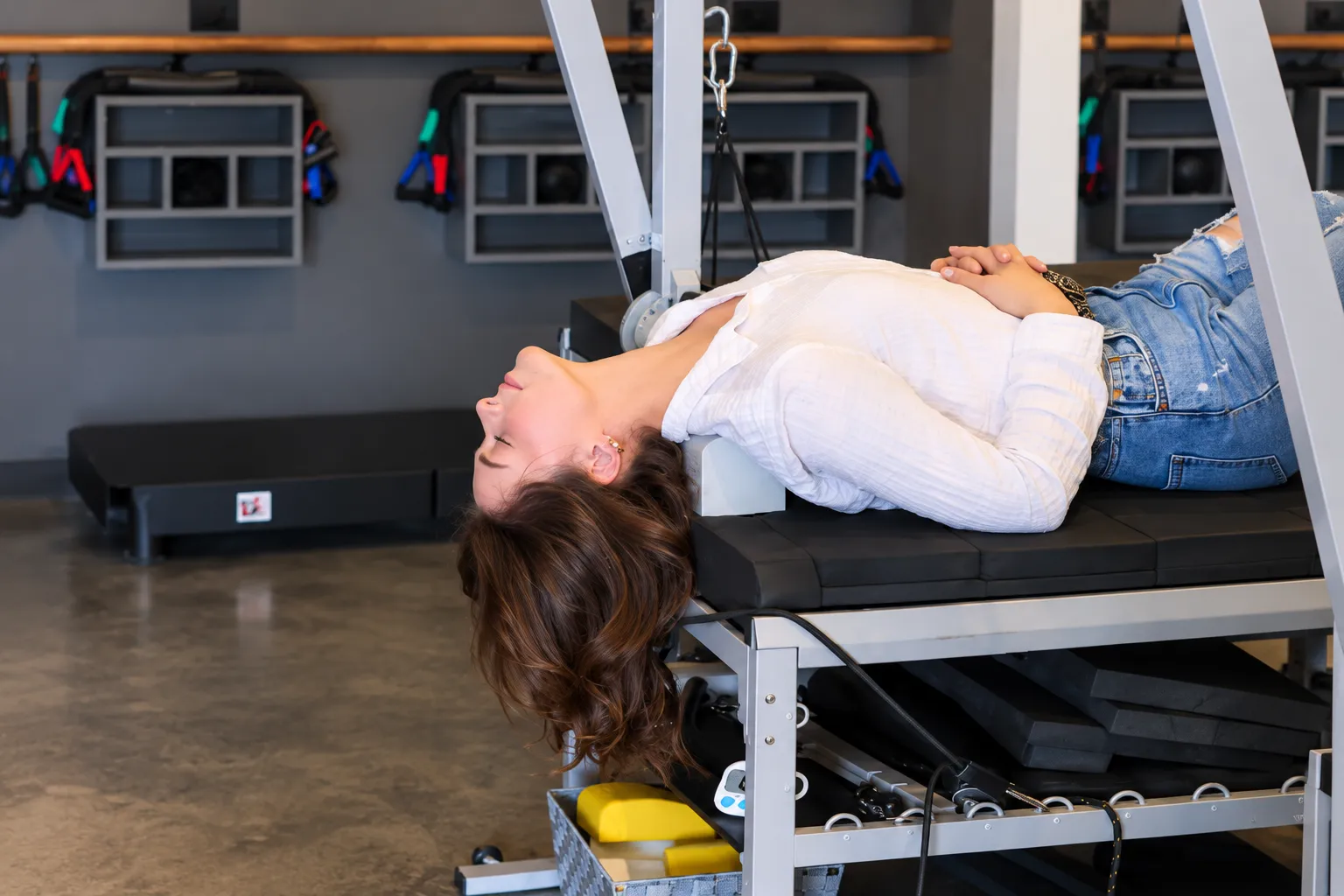
Spinal decompression therapy is a non-surgical treatment designed to gently create space within the spine and reduce pressure on affected discs and nerves.
A simple way to picture it is to think of a compressed disc like a sponge being squeezed. When pressure builds up for long periods, the disc has less room to function properly. Decompression therapy uses controlled stretching to help relieve some of that pressure and support movement in the spine.
At Thrive Wellness Center, spinal decompression is often used for patients dealing with conditions such as:
- Herniated discs
- Bulging discs
- Sciatica
- Chronic lower back pain
- Lumbar radiculopathy (nerve-related pain that travels into the legs)
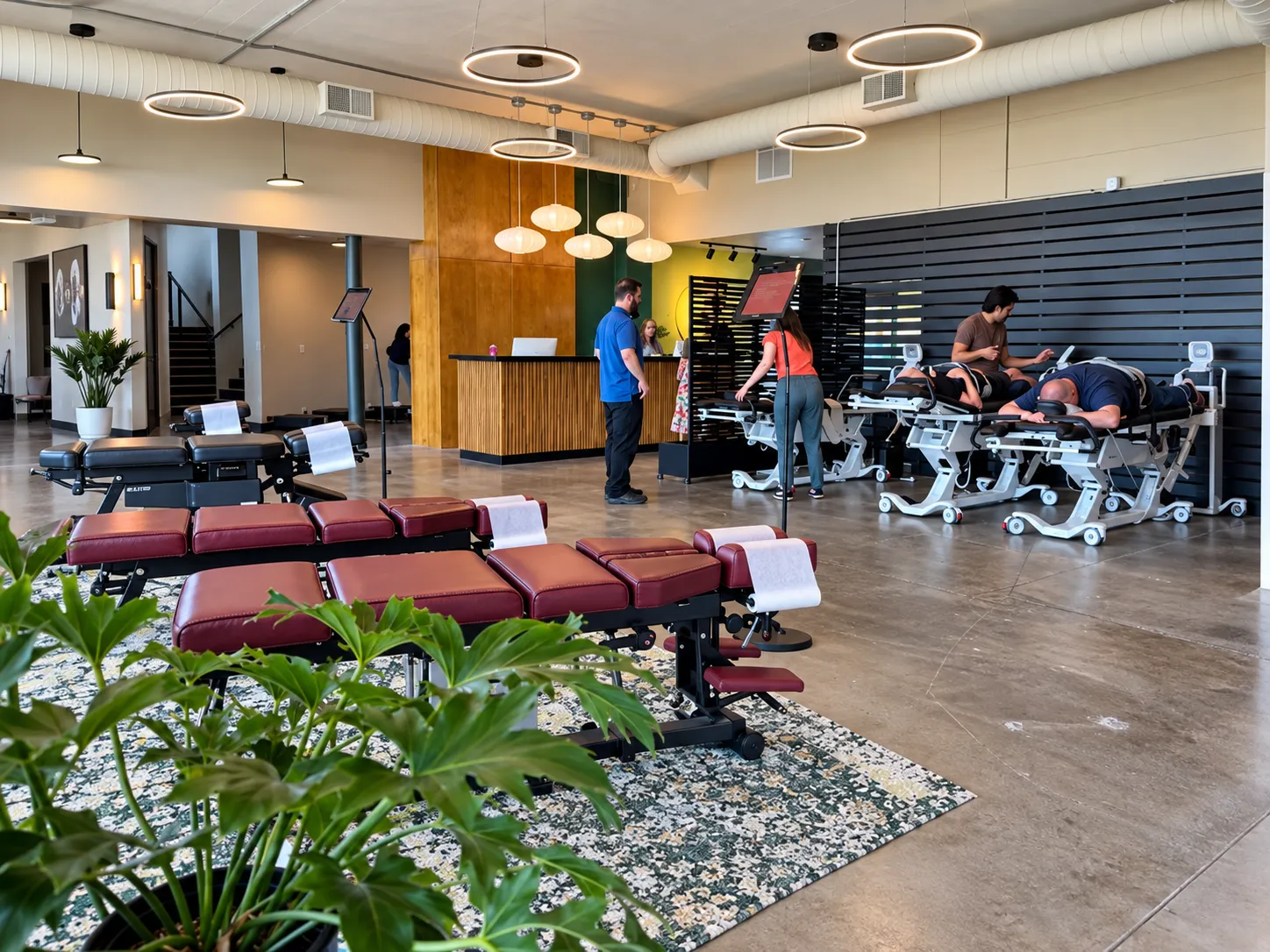
Treatment sessions are gradual and controlled, not forceful. Patients often describe the therapy as a gentle stretching sensation rather than a painful procedure. Decompression is also commonly combined with rehab exercises and mobility work to help improve long-term results.
Research has explored the effects of non-surgical spinal decompression therapy in patients with lumbar radiculopathy. One 2022 study found that combining decompression therapy with routine physical therapy improved pain levels, range of motion, functional disability, and quality of life outcomes in some patients compared to physical therapy alone.
Soft Tissue Therapy and Muscle Recovery
Soft tissue therapy focuses on the muscles, ligaments, and tendons surrounding the spine. When these areas stay tight or irritated for long periods, they can limit movement, increase tension, and make pain harder to fully resolve.
That’s why our chiropractors often combine spinal adjustments with techniques like massage therapy, myofascial release (a slower technique used to work through deeper muscle tightness and tension), trigger point therapy, and corrective exercises. Instead of focusing on the joint alone, treatment also addresses the surrounding muscles that may be contributing to stiffness and discomfort.
Corrective Exercises and Posture Improvement
Adjustments are only part of the picture. If the muscles supporting your spine stay weak or tight, it becomes much easier for discomfort and poor posture to keep coming back.
That’s why corrective exercises are built into many treatment plans at Thrive Wellness Center. These exercises are tailored to the individual and may focus on improving core strength, flexibility, posture, or movement patterns that place extra strain on the body throughout the day.
For someone sitting at a desk all day, that might mean improving posture and shoulder mobility. For others, it may involve strengthening areas that no longer support the spine properly after injury or chronic pain.
Chiropractic Care for Auto Accident and Sports Injuries
Auto accidents and sports injuries do not always feel serious right away. Sometimes the stiffness, headaches, or reduced mobility show up days later, once the body starts reacting to the strain.
We use chiropractic care to help restore movement and reduce tension after auto accidents and sports injuries through spinal adjustments, soft tissue therapy, and therapeutic exercises. The focus is not just getting you through the next few days, but helping your body recover properly so normal movement feels comfortable again.
Benefits of Chiropractic Treatment
When your body stays stiff, tight, or uncomfortable for long enough, you start noticing it in small parts of your day. Sitting through work gets frustrating. Sleep becomes harder to get comfortable in. Even simple movements can start feeling more exhausting than they should.
That’s one reason many people in Fayetteville turn to chiropractic care. The goal is not just short-term relief, but helping the body move and function better over time.
Some commonly reported benefits include:
- Pain Relief: Many people seek chiropractic care after pain starts interfering with work, sleep, exercise, or everyday movement. For some, it’s lower back pain that keeps flaring up. For others, it’s headaches, neck tension, or sciatica that never fully settles down.
- Improved Mobility: Tight muscles and stiff joints can make the body feel older than it should. Patients often notice it when bending over, getting out of the car, exercising, or even turning their head while driving.
- Better Movement and Posture: Long hours at a desk, repetitive movements, and poor posture habits can slowly place more strain on the spine and surrounding muscles over time. Small movement changes and corrective exercises can make a noticeable difference when those patterns are addressed consistently.
What to Expect During a Chiropractic Appointment
A lot of patients come into their first appointment not really knowing what to expect. Some are nervous about adjustments. Others are just tired of dealing with the same pain over and over again and want answers that actually make sense.
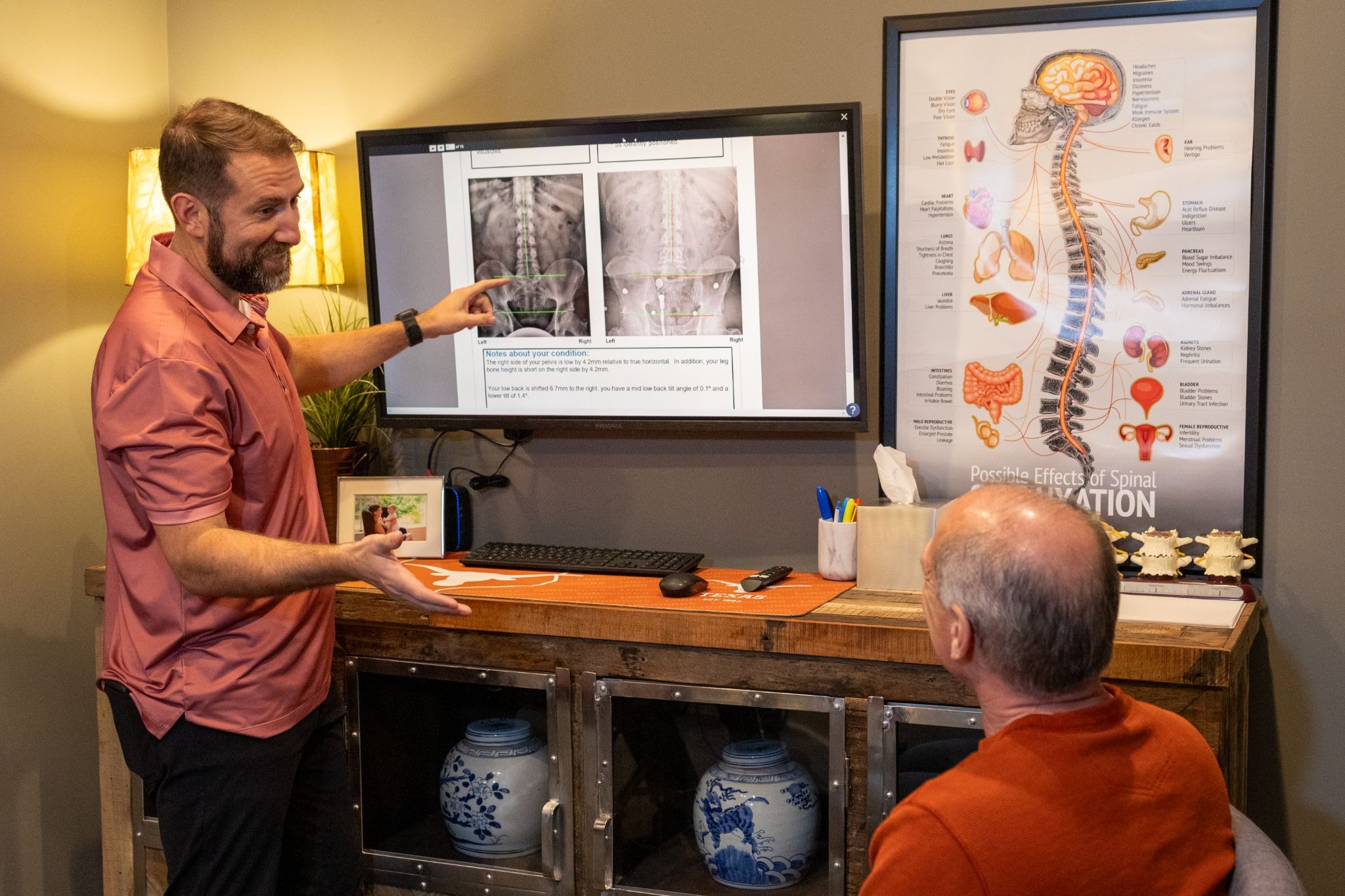
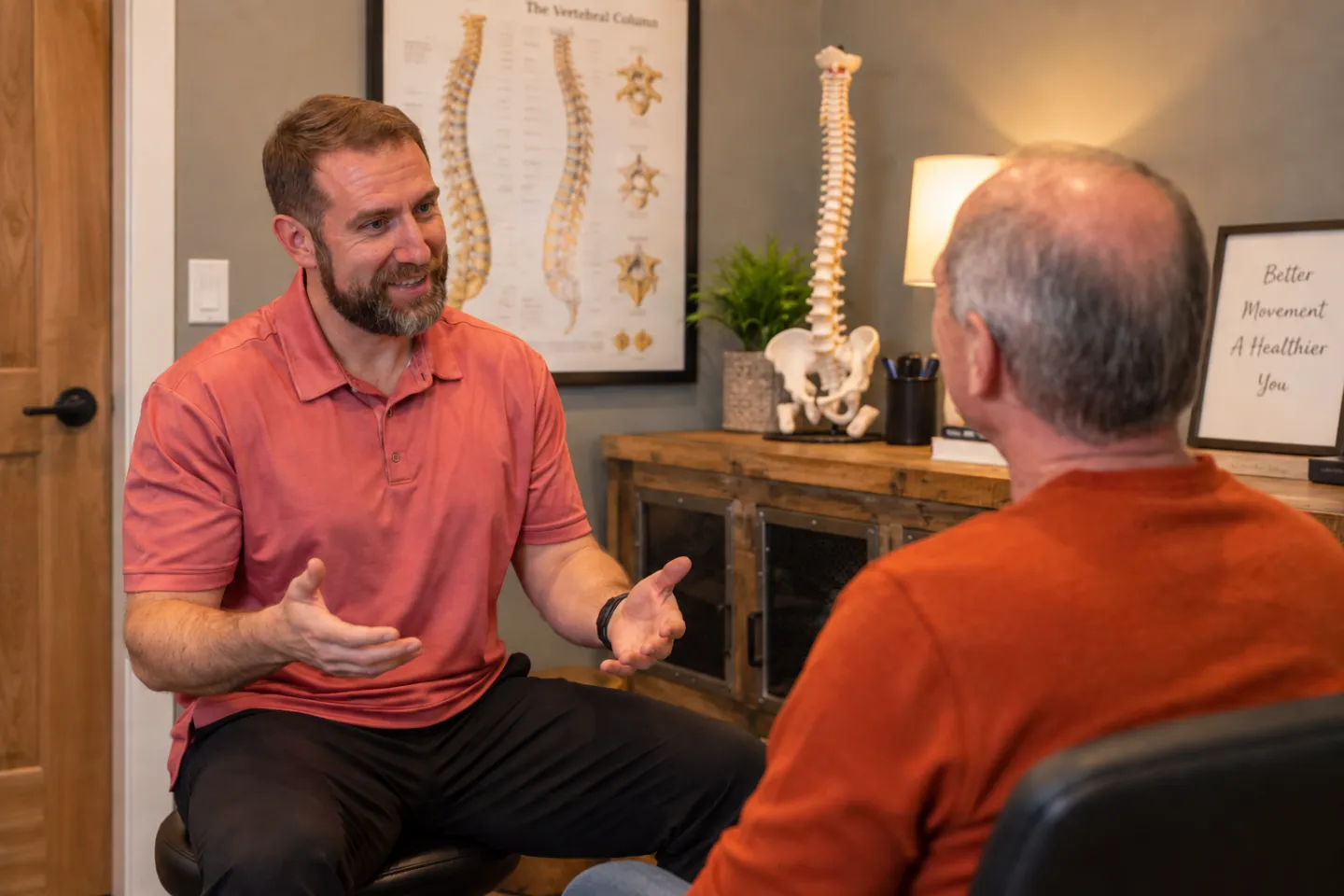
The first visit usually starts with a conversation about what you’ve been feeling, what seems to make it worse, and how it’s affecting your day-to-day life. From there, your chiropractor looks at things like posture, movement, range of motion, and areas of tension or discomfort to better understand what may be contributing to the problem.
Depending on what’s going on, treatment may include spinal adjustments, soft tissue therapy, corrective exercises, or recommendations to help reduce strain outside the clinic as well.
How to Choose the Right Chiropractor in Fayetteville
Choosing a chiropractor is personal. You want someone who listens, explains things clearly, and makes you feel comfortable asking questions, rather than rushing you through the appointment.
Reviews can help give you a sense of what the experience is actually like. Thrive Wellness Center has more than 612 five-star Google reviews from patients across Fayetteville and Northwest Arkansas and is also the only CBP-certified practice in Fayetteville.
And most importantly, you should leave the consultation understanding what may be contributing to the pain and what the next steps could look like moving forward.
Frequently Asked Questions
How long does a typical chiropractic session last?
Most chiropractic sessions last between 30 and 60 minutes, depending on the type of treatment and what the patient is coming in for. Initial appointments are usually longer because they include an assessment, health history, and discussion about symptoms.
Are chiropractic adjustments painful?
Most patients do not describe chiropractic adjustments as painful. Some people feel immediate relief afterward, while others notice a popping or releasing sensation during the adjustment. If an area is especially tight or inflamed, mild soreness afterward can sometimes happen, similar to how muscles feel after stretching or exercise.
Can chiropractic care help with stress relief?
For some people, yes. When the body stays tense or uncomfortable for long periods, stress tends to build alongside it. Patients often notice they feel more relaxed once muscle tension, stiffness, and pressure in the neck and back start easing up.
Is chiropractic care suitable for children?
Chiropractic care for children is typically much gentler than the treatment used for adults. Some parents seek care for posture-related issues, sports injuries, growing pains, or tension caused by heavy backpacks and long hours sitting at school.
At Thrive Wellness Center, treatment is adjusted based on the child’s age, size, and comfort level.
What lifestyle changes can complement chiropractic treatment?
Small daily habits can make a bigger difference than most people realize. Long hours sitting, poor posture, lack of movement, and repetitive strain can all place extra stress on the spine and surrounding muscles over time.
That’s why our chiropractors often recommend simple changes such as regular movement, stretching, posture improvements, and exercises to strengthen the muscles supporting the spine. The goal is to maintain progress outside the clinic, too.
Managing Your Pain
A lot of people wait longer than they should before getting help because they assume the pain will eventually settle down on its own. Sometimes it does. Sometimes it keeps coming back until everyday activities become harder and even more frustrating than they used to be.
We offer patients a chance to better understand what may be contributing to that discomfort and what steps can help improve movement over time. At Thrive Wellness Center, treatment plans are built around the individual, whether someone is dealing with sciatica, posture-related tension, sports injuries, or chronic back and neck pain.
If you’ve been trying to manage the pain on your own without much success, Thrive Wellness Center offers a $67 new patient visit that includes a full consultation and exam. It’s a chance to sit down, ask questions, and get a better understanding of what may be the problem.

Dr. Ben Ozanne
Chiropractor and Owner of Thrive Wellness Center
Latest from the Blog
Inside a CBP Treatment Plan: What to Expect From Start to Finish
Wondering what a CBP treatment plan actually involves? See what happens from your first exam and X-rays through adjustments, mirror image traction, and follow-up imaging at Thrive Wellness Center in Fayetteville, AR.
How CBP Postural Correction Techniques Work (and Why They Matter)
Temporary relief from an adjustment doesn't always mean the underlying posture problem is corrected. Here's how CBP postural correction techniques work, what a first visit looks like, and why the approach is built to be measured over time.
Structural Correction vs. Traditional Adjustments: What's the Difference?
Traditional adjustments can restore movement and ease pain. Structural correction adds measurable spinal and postural findings you can track over time. Here is how the two approaches differ, and what progress looks like when it is measured instead of guessed at.