How Chiropractic Care Addresses the Root Cause of Lower Back Pain
August 19, 2026

"I thought it was getting better"... until you bend over to tie your shoe, get out of the car, or pick up the laundry basket, and the pain is right back where it started. That's a pattern chiropractors see all the time.
Lower back pain often settles down before the problem causing it has actually improved. Pain medication can help you get through the day, and rest may calm an irritated back, but neither changes the way your joints move, how your muscles support your spine, or the daily habits that may have led to the pain in the first place.
The first step isn't treatment. It's working out what's putting your lower back under stress. For one person, it might be stiff joints that aren't moving the way they should. For someone else, it could be weak muscles, poor lifting mechanics, or hours spent sitting in the same position every day. Until you know what's driving the pain, it's difficult to know which treatment is actually going to help.
Key Takeaways
- Lower back pain often returns because the underlying cause hasn't been addressed, not because the pain never improved.
- A thorough chiropractic evaluation looks at how your spine moves, how your muscles function, and which everyday habits may be placing stress on your lower back.
- Treatment is tailored to your specific needs and may include spinal adjustments, corrective exercises, posture advice, and lifestyle recommendations.
- Recovery is about more than reducing pain. It's about helping you get back to the activities you enjoy with greater confidence.
Why Lower Back Pain Often Keeps Coming Back
Your body doesn't forget the habits that caused the pain just because the pain settled down.
Pain relievers, heating pads, and rest can help during a flare-up, but they don't change what's putting stress on your lower back. Tight joints don't suddenly move better, weak muscles don't get stronger, and poor movement habits don't correct themselves just because the pain eased.
That's why so many people end up in the same cycle. Their back starts feeling better, they get back to normal life, then something as simple as picking up a child, working in the garden, sitting through a long meeting, or playing a round of golf causes the pain to flare up again. A thorough assessment helps identify what's contributing to that cycle so treatment is based on the cause, not just where it hurts.
Common Underlying Causes of Lower Back Pain
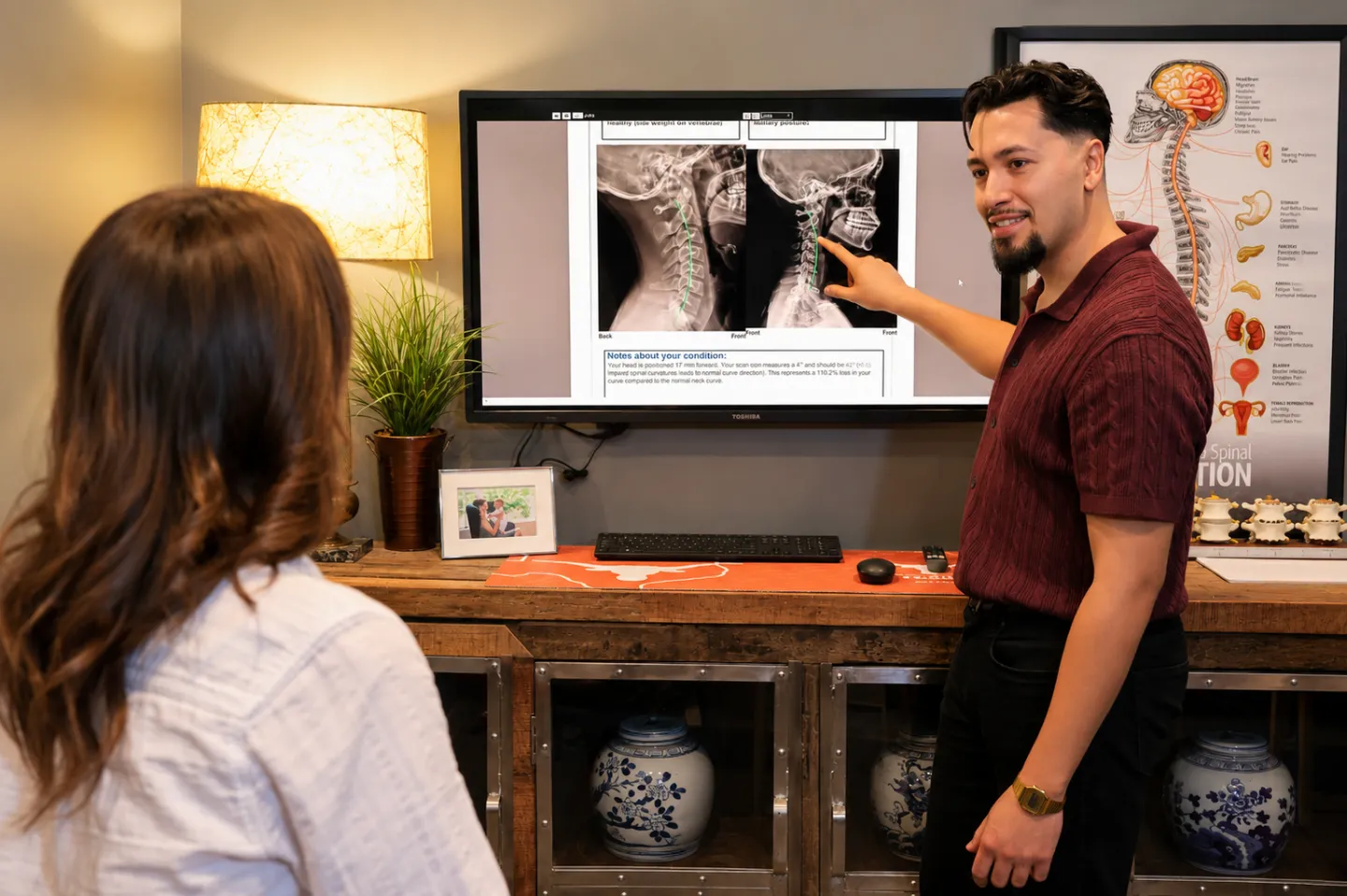
Lower back pain rarely comes from a single event. The longer these factors go unaddressed, the more likely they are to keep irritating your lower back. More often, it builds from a combination of daily habits and physical stressors, including:
- Prolonged sitting, especially with poor desk (known as tech neck) or car posture
- Improper lifting mechanics, particularly repeated bending and twisting
- Repetitive movements from work, sports, or household tasks
- Previous injuries that never fully healed or rehabilitated
- Reduced mobility in the spine or hip joints
- Muscle weakness or imbalance, especially in the core and glutes
- Disc irritation or compression from sustained postural stress
- Sciatic nerve irritation from a nearby disc or muscle
Age-related changes in the spine's joints and discs
Two people can describe nearly identical symptoms and still be dealing with different combinations of these factors. That's part of why a cookie-cutter treatment plan so often falls short.
What "Addressing the Underlying Cause" Actually Means
There's rarely a single answer to lower back pain. More often, it's a combination of factors that have developed over time, which is why the first appointment isn't about jumping straight into treatment.
Instead, the focus is on understanding how your back is functioning. A chiropractor looks at how you move, where your joints are restricted, how your muscles are supporting your spine, and whether your everyday habits could be placing repeated stress on your lower back. Those findings help explain why two people with similar symptoms may need completely different treatment plans.
How Chiropractors Evaluate Lower Back Pain
A thorough evaluation is what separates a targeted care plan from a generic one. Chiropractors typically work through several layers of assessment before recommending treatment.
Health History and Symptom Review
Your appointment usually starts with a conversation about your pain. A chiropractor will ask when it began, whether it came on suddenly or gradually, what movements make it better or worse, whether the pain stays in your lower back or travels into your hips or legs, and how it's affecting your daily activities. They'll also ask about previous injuries, your work, exercise routine, and any warning signs that need medical attention before chiropractic care is considered.
Posture and Movement Assessment
Next, your chiropractor will watch how you naturally stand, sit, walk, bend, and move. They may ask you to perform simple movements to see whether certain positions reproduce your pain or whether one side of your body is moving differently from the other. These movement patterns often reveal problems that aren't obvious when you're sitting still.
Physical and Spinal Examination
The physical examination helps identify where your back isn't moving or functioning as it should. Your chiropractor may check the movement of individual spinal joints, test your muscle strength and flexibility, assess your reflexes and sensation, and gently press on certain areas to identify tenderness or muscle tightness. Together, these findings help build a clearer picture of what's contributing to your pain.
Diagnostic Imaging When Clinically Appropriate
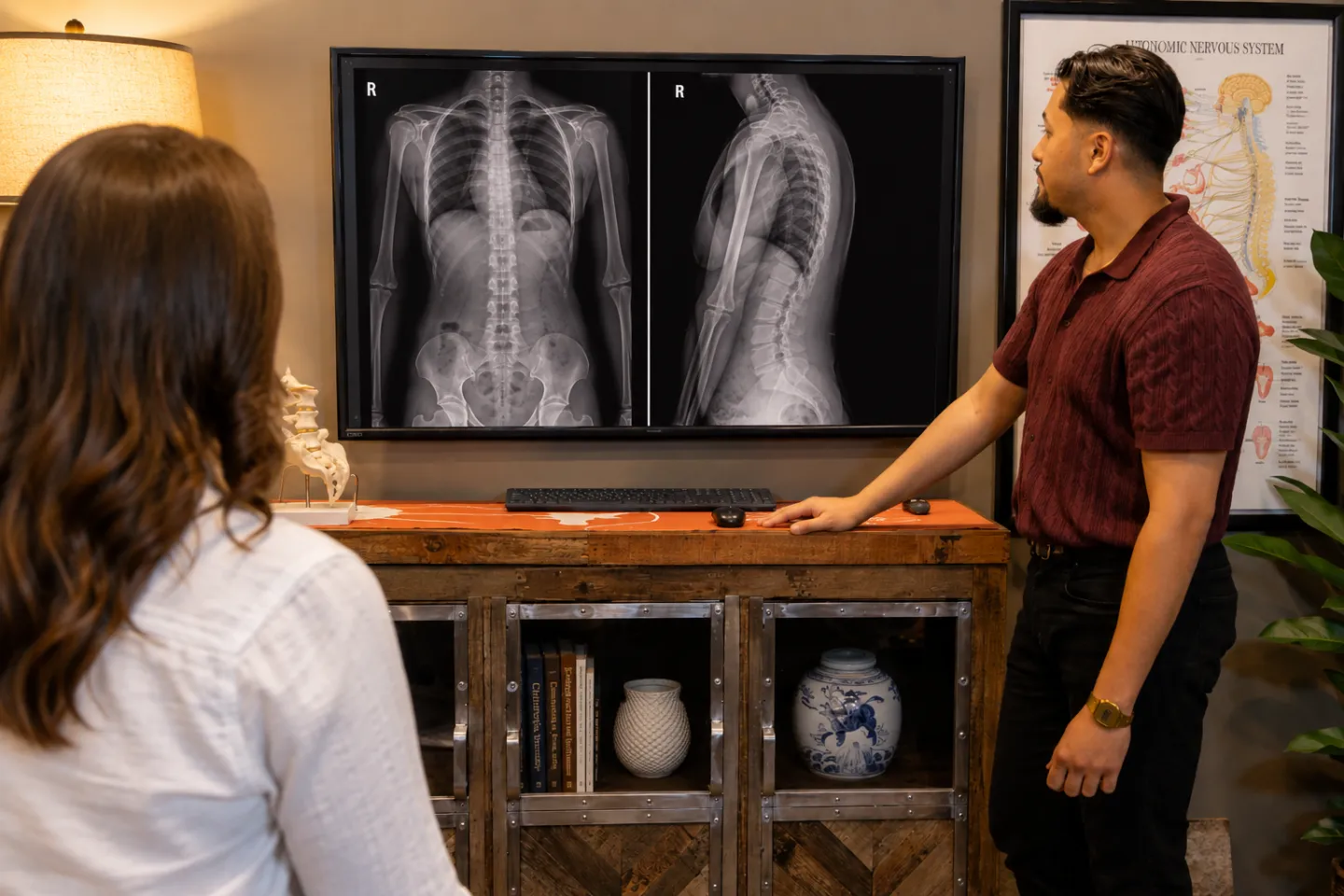
Most don't need X-rays or other imaging during their first visit. However, if your symptoms suggest a disc injury, fracture, arthritis, or another condition that needs a closer look, your chiropractor may recommend imaging to confirm what's going on. The decision is based on your history and examination findings, not as a routine part of every assessment.
How Chiropractic Care May Address Contributing Factors
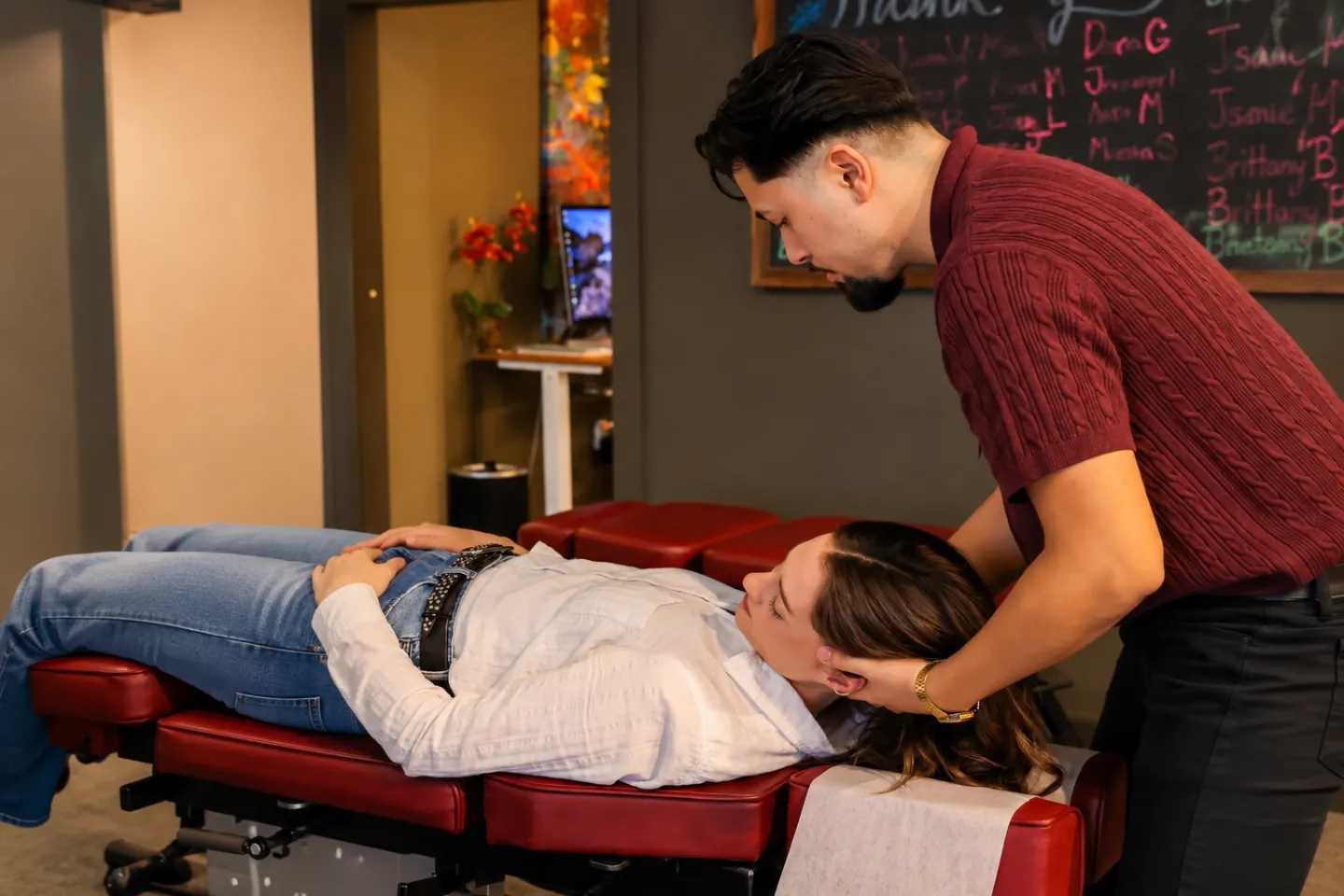
Once your evaluation is complete, the next step is deciding which treatments make the most sense for your situation. Not everyone needs every service. Your care plan should reflect what's contributing to your pain, not follow a standard checklist.
Chiropractic Adjustments
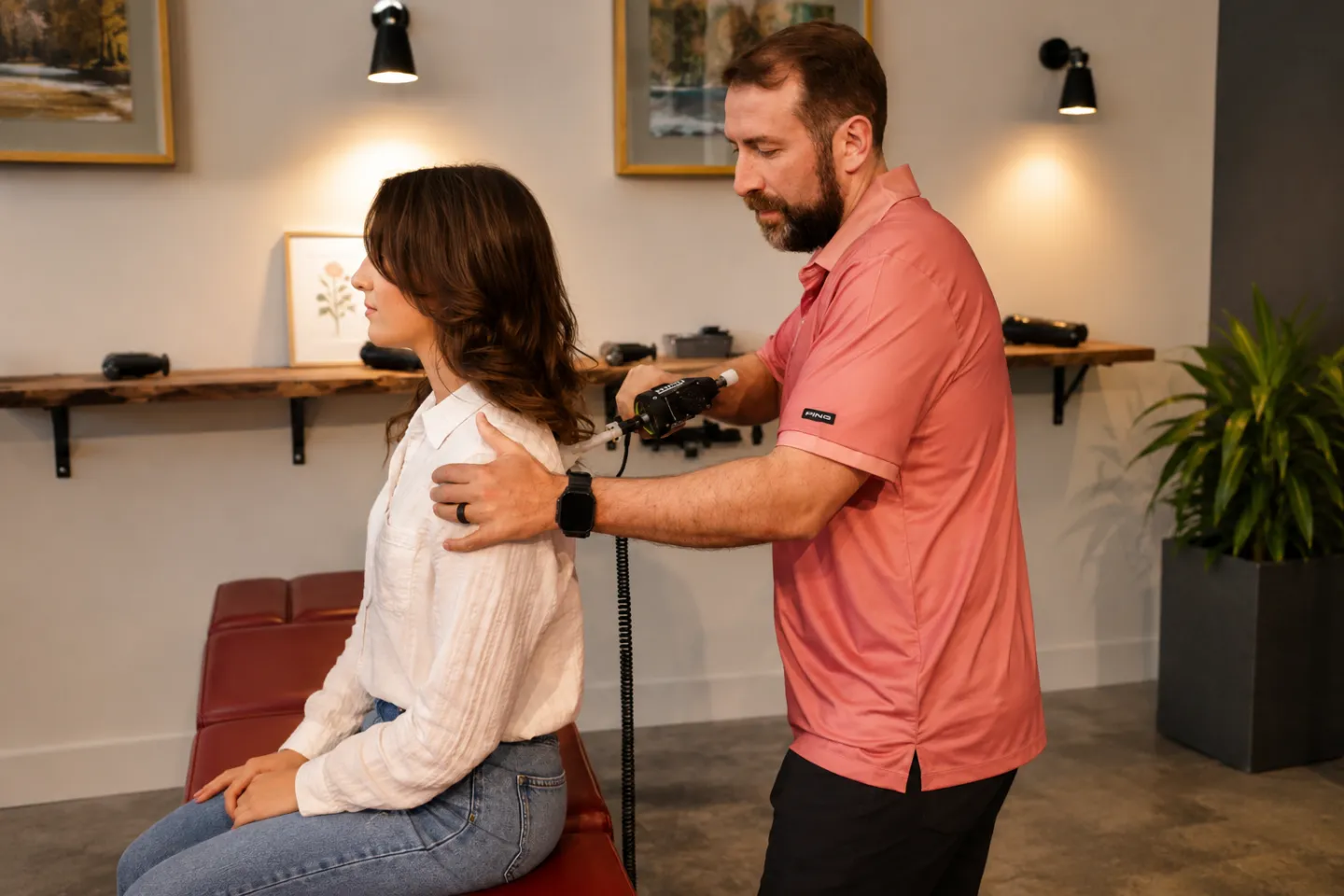
When joints in the spine aren't moving properly, they can place extra stress on the surrounding muscles and tissues. A chiropractor uses targeted spinal adjustments to restore movement in those restricted joints, helping reduce stiffness, improve mobility, and support more comfortable movement throughout the day.
Postural Correction
During your evaluation will identify the positions and movement habits that are placing repeated strain on your lower back (as mention previously), then show you practical ways to sit, stand, lift, or work that reduce that stress.
Spinal Decompression
Disc-related back pain sometimes needs a different approach. When your examination suggests a disc or irritated nerve is contributing to your symptoms, your chiropractor may recommend non-surgical spinal decompression to help reduce pressure on those structures. It's only recommended when it's appropriate for your condition.
Physical Rehabilitation and Corrective Exercise
Treatment doesn't end when you leave the adjustment table. Your chiropractor may prescribe stretches and strengthening exercises to improve flexibility, build support around your spine, and correct movement patterns that could be contributing to your pain.
Lifestyle and Ergonomic Recommendations
Many people unknowingly irritate their lower back every day. Your chiropractor can help identify those habits and recommend practical changes to your workstation, lifting technique, sleep position, daily routine, or exercise habits to reduce unnecessary strain and support long-term recovery.
Patients achieve the best results by combining several of these approaches. As your symptoms change and your body responds to treatment, your chiropractor can adjust your care plan to match your progress.
What to Expect During Recovery
The first few visits often focus on reducing pain and improving how your lower back moves. As your symptoms begin to settle, treatment usually shifts toward improving strength, correcting movement patterns, and helping you get back to your normal activities with more confidence.
You may also notice that some appointments feel different from others. One visit might focus more on hands-on treatment, while another includes stretches, exercises, or advice on changing everyday habits that could be slowing your recovery. As your back improves, your chiropractor will gradually adjust your care plan to match your progress.
When Lower Back Pain Requires Immediate Medical Attention
Most lower back pain is mechanical and responds well to conservative care. Some symptoms, however, point to something that needs prompt medical evaluation rather than chiropractic treatment.
Seek immediate medical attention if you experience:
- Loss of bowel or bladder control
- Numbness around the groin or saddle area
- Progressive weakness in one or both legs
- Severe pain following a major fall or accident
- Fever accompanying severe back pain
- Unexplained weight loss alongside back pain
- A history of cancer combined with new or worsening back pain
Fortunately, these symptoms are rare. If they are present, your chiropractor's priority is making sure you receive the right care, even if that means referring you to another healthcare provider before starting treatment.
Ready to Understand What's Behind Your Pain?
You don't have to keep guessing why your back hurts or simply hope it gets better with time. At Thrive Wellness Center, every evaluation starts with listening to your story, understanding how your pain affects your daily life, and identifying what's contributing to it before recommending treatment.
If you're ready to take the next step, our team proudly serves patients throughout Fayetteville and Northwest Arkansas with personalized lower back pain evaluations designed to help you move with greater confidence and get back to the everyday activities that pain has been getting in the way of.
Frequently Asked Questions
Can chiropractic care help with chronic lower back pain?
Chiropractic care may help some people with chronic lower back pain, particularly when factors like joint restriction, posture, or muscle imbalance are contributing to their symptoms. Because chronic back pain can have many possible causes, the first step is a thorough evaluation to determine whether chiropractic care is appropriate for your situation.
How does a chiropractor determine what is causing lower back pain?
Your chiropractor will combine a review of your health history, a posture and movement assessment, and a hands-on physical examination to identify what may be contributing to your pain. Imaging may be recommended when clinically appropriate. This helps determine whether your pain is mechanical or whether it needs further medical investigation.
How long does chiropractic care for lower back pain take?
Timelines vary based on how long the pain has been present, its severity, and how many contributing factors are involved. Some patients notice changes within a few visits, while others with longstanding issues may need a longer rehabilitation process. Your chiropractor can offer a more specific timeline after your evaluation.
Is chiropractic care appropriate for a herniated or bulging disc?
In some cases, yes. Conservative chiropractic care, including non-surgical spinal decompression where appropriate, may help people with certain disc-related conditions. A thorough examination and sometimes imaging help determine whether chiropractic care is likely to help or whether another type of treatment would be more appropriate.
When should I see a doctor instead of a chiropractor for back pain?
Seek immediate medical attention if you experience loss of bladder or bowel control, saddle numbness, progressive leg weakness, fever with severe back pain, unexplained weight loss, or pain following major trauma. If you aren't experiencing these warning signs, a chiropractic evaluation can help determine whether your back pain is mechanical and which treatment options may be appropriate.

Dr. Ben Ozanne
Chiropractor and Owner of Thrive Wellness Center
Latest from the Blog

Why Your Chronic Lower Back Pain Keeps Coming Back
Herniated Disc Lower Back Pain: Symptoms and Treatment
A herniated disc in your lower back can send pain, tingling, or weakness all the way into your leg and foot. Here is what the symptoms feel like, what helps in the first few days, and the warning signs that mean you should stop managing it at home.
Muscle Strain vs. Something Worse: Understanding Your Lower Back Pain
A strain usually stays put and eases day by day. Pain that travels into your leg, or comes with numbness, tingling, or weakness, is a different signal. Here is how to tell them apart and when to stop watching and get evaluated.