Can a Chiropractor Help With Vertigo? Causes, Treatment & What to Expect
June 8, 2026
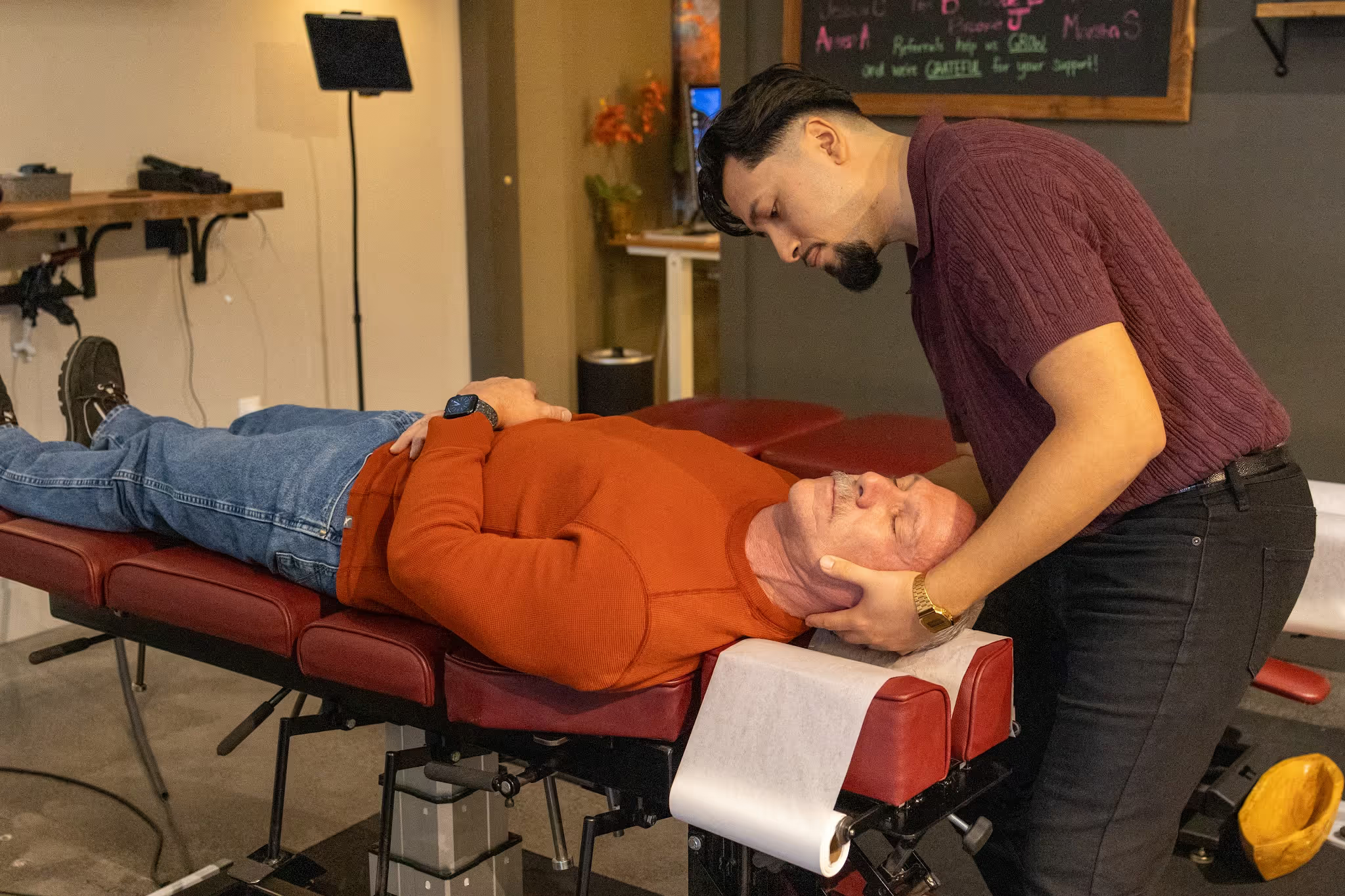
Vertigo can make even simple tasks feel difficult. One moment you're getting out of bed, turning your head, or looking up at a shelf. The next, it feels like the room is spinning around you. For some people, the episodes last a few seconds. For others, the dizziness, nausea, and loss of balance can make driving, working, or even walking through the grocery store feel overwhelming.
If you've been searching for answers, you've probably come across medications, home remedies, and exercises that promise relief. But what many people don't realize is that certain types of vertigo may be connected to problems affecting the neck, nervous system, or balance centers in the body.
At Thrive Wellness Center, Dr. Ben Ozanne uses a combination of chiropractic care, spinal correction, and rehabilitation techniques to help patients better understand what's causing their symptoms and what treatment options may be available. The goal isn't just to manage dizziness. It's to identify why it's happening in the first place.
Takeaways
- Vertigo is not always caused by an inner ear problem. In some cases, issues affecting the neck, nervous system, or balance system may play a role.
- Certain movements like rolling over in bed, looking up, or bending down can trigger vertigo episodes, especially in people with BPPV.
- A thorough evaluation can help identify whether dizziness is linked to the inner ear, spinal function, posture, or another underlying cause.
- Treatment may include chiropractic care, vestibular rehabilitation, balance exercises, or a combination of approaches depending on what's causing the symptoms.
- The sooner you understand what's behind the dizziness, the sooner you can start taking steps toward feeling more stable and confident again.
Causes of Vertigo and Its Effect on Balance
Vertigo isn't a condition on its own. It's a symptom that something affecting your balance system isn't working the way it should. For some people, it feels like the room is spinning. Others describe it as feeling unsteady, lightheaded, or as if they're being pulled to one side.
Several different issues can cause vertigo, including problems in the inner ear, conditions that affect the vestibular system, and, in some cases, certain medications.
Benign Paroxysmal Positional Vertigo Explained
Benign Paroxysmal Positional Vertigo (BPPV) is one of the most common causes of vertigo. It happens when tiny calcium crystals inside the inner ear move out of place and begin sending incorrect balance signals to the brain.
The result is often a sudden spinning sensation that appears when you change positions. Looking up, rolling over in bed, bending down, or getting out of a chair can trigger an episode. Many people also experience nausea, balance problems, or the feeling that the room is moving around them even though they're standing still.
Vestibular Disorders and Their Role in Dizziness
Your vestibular system is the part of your body responsible for helping you stay balanced and understand where you are in space. When something disrupts that system, dizziness and vertigo can follow.
Conditions such as Meniere's disease, vestibular neuritis, and labyrinthitis can interfere with how balance information travels between the inner ear and the brain. Depending on the cause, symptoms may include spinning sensations, difficulty focusing, unsteadiness while walking, or a constant feeling of being off balance.
Chiropractic Treatment for Vertigo
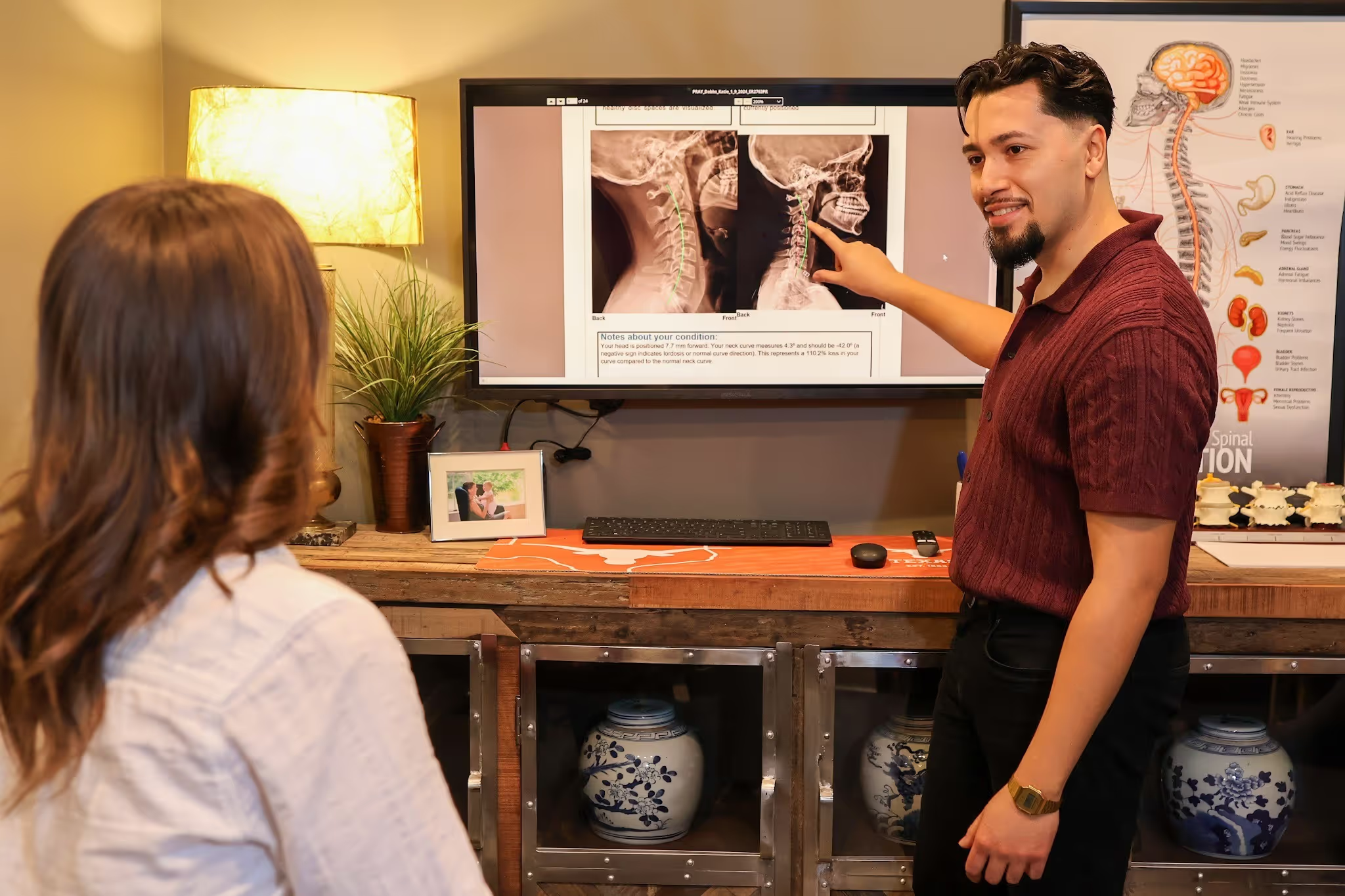
If vertigo is making it difficult to get through your day, it's worth looking into more than just the inner ear. In some cases, problems affecting the neck, spine, or nervous system can contribute to dizziness and balance issues.
Chiropractic care improves how the body functions as a whole. By evaluating the spine, posture, and nervous system, chiropractors can identify factors that may be contributing to vertigo symptoms and develop a treatment plan designed around the individual patient.
Manual Spinal Adjustments and Their Role in Vertigo Treatment
The neck contains joints, muscles, and nerves that constantly send information to the brain about where your head is positioned. When those signals become disrupted, some people experience dizziness, imbalance, or symptoms associated with cervical vertigo.
Spinal adjustments are designed to improve movement in restricted areas of the spine and reduce stress on the nervous system. For some patients, this can help decrease the frequency or intensity of vertigo episodes while improving overall balance and coordination.
Research into cervical vertigo is still evolving, but manual therapy continues to show promise as a treatment option. A 2025 randomized controlled trial noted that cervical vertigo is common in clinical practice and highlighted the potential benefits of manual therapy for patients experiencing dizziness related to the neck.
We combine chiropractic adjustments with a thorough evaluation of spinal alignment, posture, and movement patterns. As the only CBP-certified chiropractor in Fayetteville, he focuses on identifying why symptoms are occurring rather than simply chasing temporary relief. In our experience, many patients notice measurable improvement within the first two to four weeks of care, typically after 4 to 8 visits.
Vestibular Rehabilitation Alongside Chiropractic Care
Vestibular rehabilitation is a specialized form of therapy designed to improve balance and reduce dizziness. This rehabilitation often complements chiropractic care by incorporating exercises that enhance the vestibular system's function. Techniques may include balance training, gaze stabilization exercises, and habituation strategies. Together, chiropractic adjustments and vestibular rehabilitation can create a full treatment plan that addresses both the symptoms and underlying causes of vertigo.
Manual Therapy & Spinal Manipulation for Cervicogenic Dizziness
There is moderate evidence to support the use of manual therapy, in particular spinal mobilisation and manipulation, for cervicogenic dizziness. The evidence for combining manual therapy and vestibular rehabilitation in
What to Expect During Your Chiropractic Vertigo Appointment
If you've been dealing with dizziness for a while, you may be worried about getting answers or concerned that you'll be told to simply live with it. Your first visit is designed to uncover what's contributing to your symptoms and determine whether chiropractic care may be able to help.
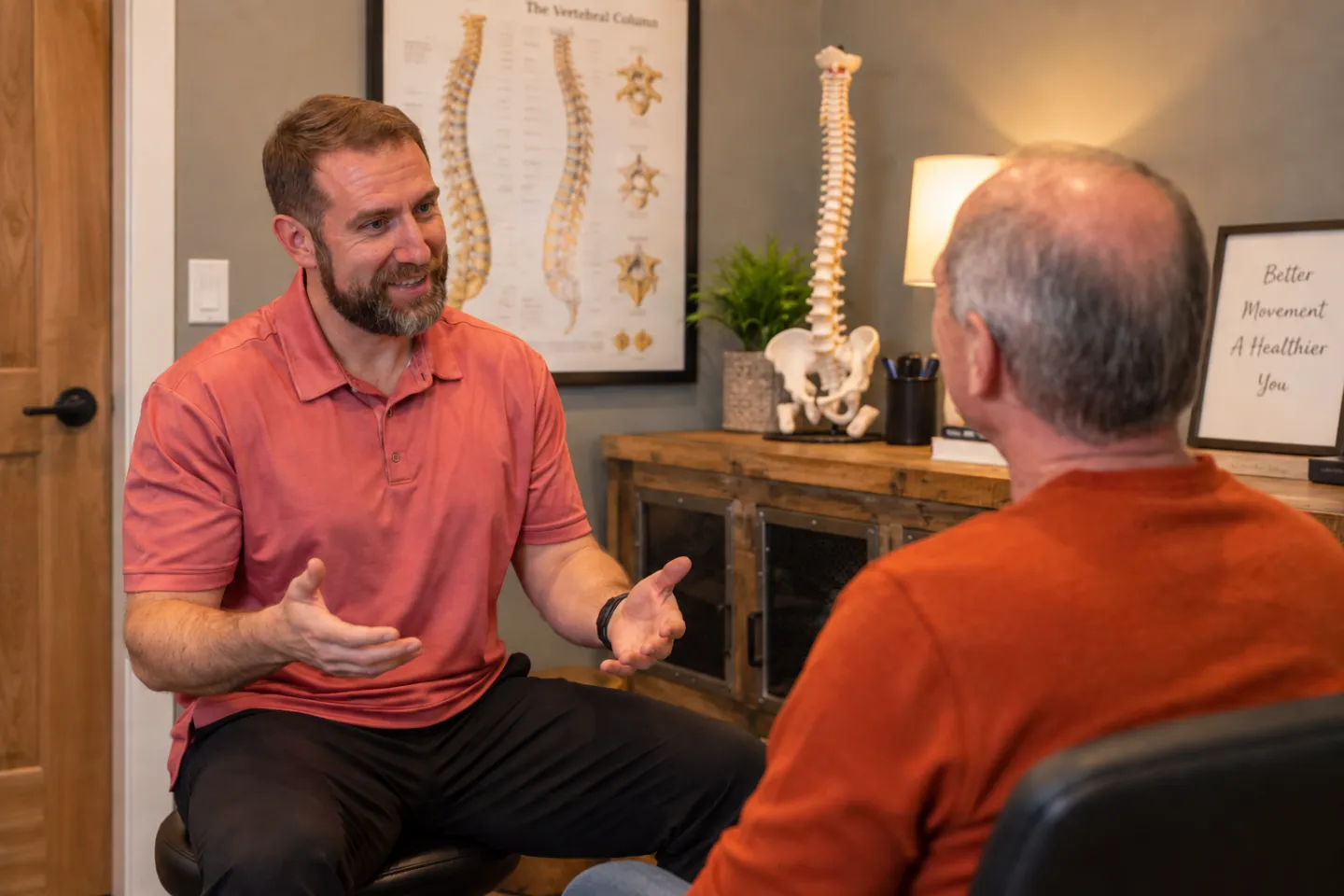
At Thrive Wellness Center, Dr. Ben Ozanne will begin by discussing your health history, when the dizziness started, what triggers it, and how it's affecting your daily life. From there, we'll perform a physical examination and evaluate factors such as balance, coordination, posture, and spinal function to get a clearer picture of what's going on.
Advanced Chiropractic Assessments for Diagnosing Vertigo
If you've searched for vertigo online, you've probably noticed how many possible causes there are. Inner ear problems, issues affecting the neck, certain neurological conditions, and even some medications can all create similar symptoms. That's why the evaluation process is so important.
Depending on your symptoms, Dr. Ben may perform balance testing, posture assessments, neurological evaluations, and movement screenings to identify patterns that could be contributing to your dizziness. Think of it like putting together pieces of a puzzle. Each test provides information that helps narrow down possible causes and guide the next steps.
Thrive places a strong emphasis on measuring spinal alignment and identifying structural issues that may be affecting how the body functions. The goal isn't simply to label the problem. It's to understand why it's happening and what can be done about it.
Personalized Care Plan for Vertigo
Your treatment plan will depend on what's contributing to your dizziness. For some patients, that may mean spinal adjustments to improve movement in the neck and spine. Others may benefit from vestibular rehabilitation exercises designed to retrain the body's balance system. In some cases, simple changes to daily habits and movement patterns can also play a role.
At Thrive Wellness Center, we track your progress throughout care and adjust recommendations as needed. Most patients begin noticing measurable improvements within the first two to four weeks, although recovery timelines can vary depending on the underlying cause of the vertigo.
Upper Cervical Chiropractic & Vestibular Rehab for Dizziness
Research has also looked at combining upper cervical chiropractic care with vestibular rehabilitation for people experiencing dizziness. In a 2023 case series, patients who participated in a 30-day program reported improvements in their perceived dizziness symptoms and balance-related challenges.
While every patient responds differently, the findings support an approach that combines spinal care with targeted rehabilitation exercises rather than relying on a single treatment method alone.
Supporting Vertigo Recovery With At-Home Exercises
What you do between appointments can make a difference, too. Certain exercises are designed to help your brain and balance system adapt to movements that may currently trigger dizziness. While they won't be appropriate for every type of vertigo, they can be a helpful part of recovery when recommended by your provider.
Recommended Vestibular Exercises for Dizziness Relief
Several vestibular exercises are commonly used to help improve balance and reduce dizziness:
- Brandt-Daroff Exercises: These exercises involve repeated head and body movements that help the brain become less sensitive to position changes that trigger dizziness. Most people perform them twice daily, with each session taking about 10 to 15 minutes.
- Cawthorne-Cooksey Exercises: This series of movements gradually challenges the balance system through eye, head, and body movements. The goal is to improve stability and reduce dizziness over time.
- Balance Training: Simple activities such as standing on one leg, walking heel-to-toe, or practicing balance on different surfaces can help improve coordination and confidence with movement. If you're trying these exercises at home, it's a good idea to stay close to a wall, countertop, or sturdy chair for support.
Frequency and Duration of Exercises for Best Results
Like any type of rehabilitation, these exercises work best when they're done consistently. A few minutes here and there usually won't create lasting changes. The goal is to gradually retrain the brain and balance system so everyday movements feel more comfortable and predictable.
Most patients are encouraged to spend about 10 to 15 minutes a day performing their exercises, although recommendations can vary depending on the cause of the dizziness. As symptoms improve, the exercises may become more challenging to continue building balance, coordination, and confidence with movement.
Get Some Real Answers
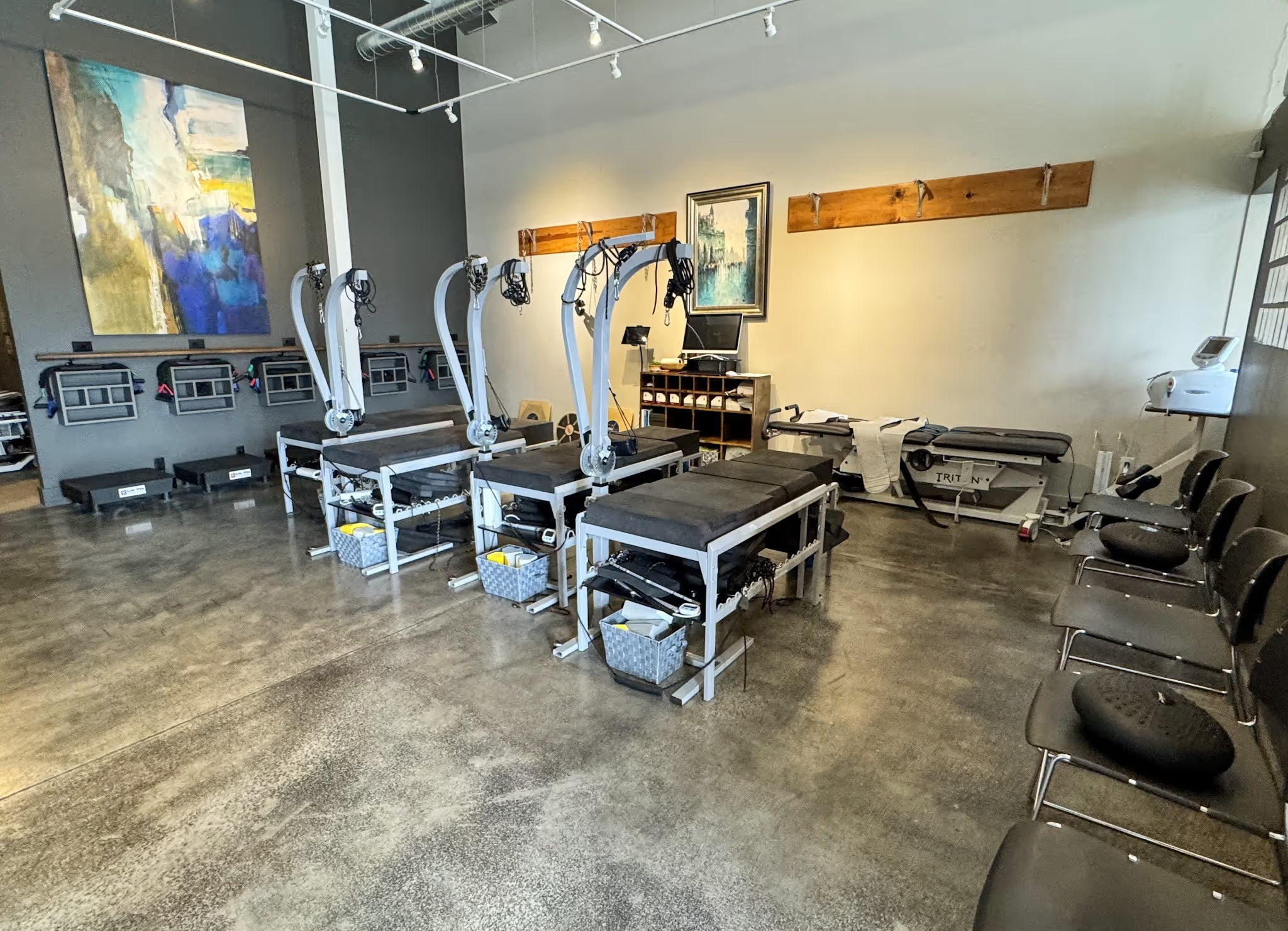
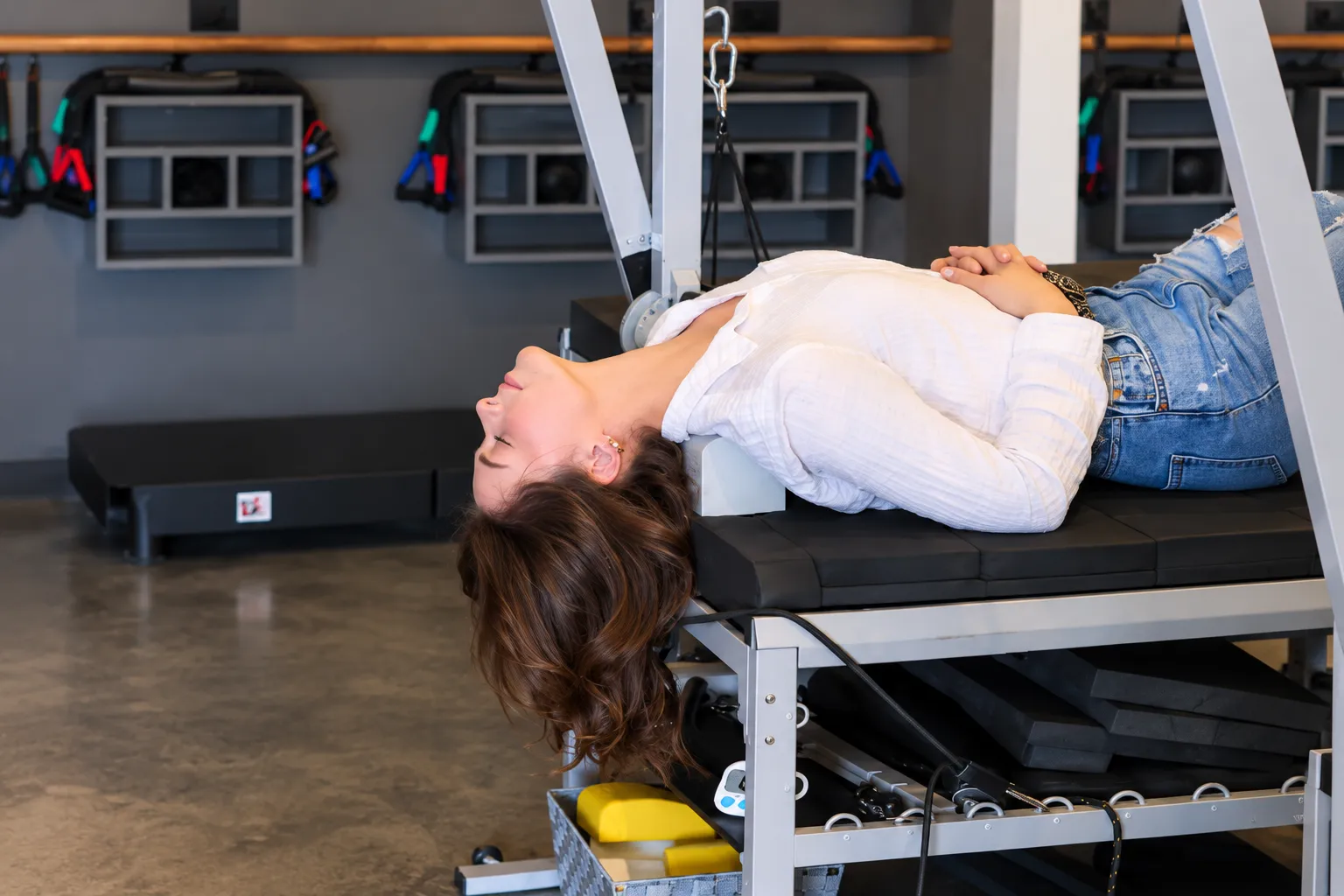
Modern chiropractic clinic treatment room with spinal decompression tables, rehabilitation equipment, and patient seating used for vertigo, neck pain, and balance disorder care.
Living with vertigo can be frustrating, especially when you don't know why it's happening or what to do next. You deserve more than temporary fixes.
If you're ready to better understand what's causing your dizziness, schedule an appointment with Thrive Wellness Center. We'll take the time to listen, evaluate what's going on, and help you determine the next best steps for your health.

Dr. Ben Ozanne
Chiropractor and Owner of Thrive Wellness Center
Latest from the Blog
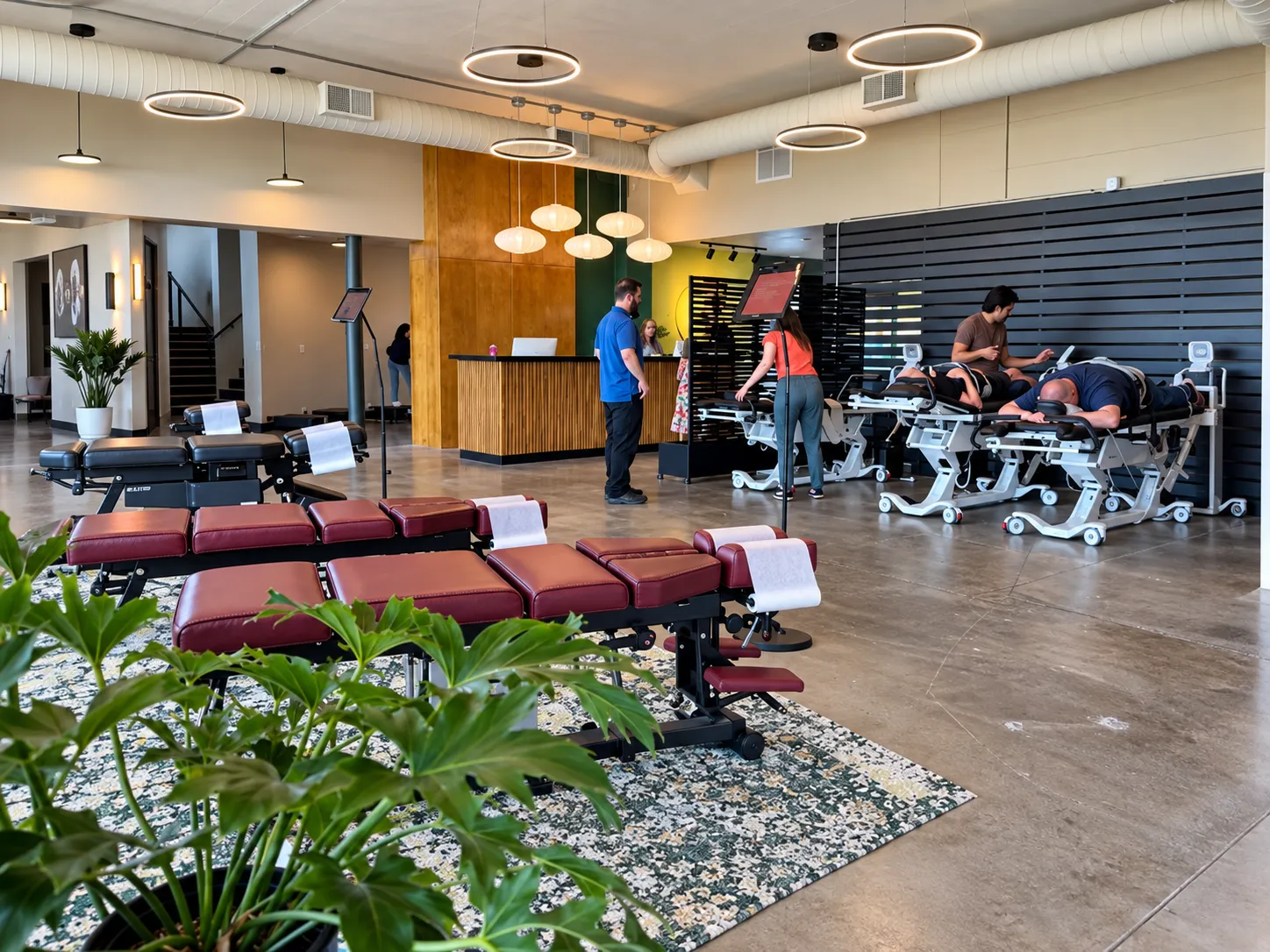
Inside a CBP Treatment Plan: What to Expect From Start to Finish
Wondering what a CBP treatment plan actually involves? See what happens from your first exam and X-rays through adjustments, mirror image traction, and follow-up imaging at Thrive Wellness Center in Fayetteville, AR.
How CBP Postural Correction Techniques Work (and Why They Matter)
Temporary relief from an adjustment doesn't always mean the underlying posture problem is corrected. Here's how CBP postural correction techniques work, what a first visit looks like, and why the approach is built to be measured over time.
Structural Correction vs. Traditional Adjustments: What's the Difference?
Traditional adjustments can restore movement and ease pain. Structural correction adds measurable spinal and postural findings you can track over time. Here is how the two approaches differ, and what progress looks like when it is measured instead of guessed at.