Pillow Talk: Enhancing Sleep through Chiropractic Care in Fayetteville, AR
June 23, 2026
You spend a third of your life sleeping. At least, that's the goal.
But for many people, sleep isn't as restful as it should be. You wake up with a stiff neck. Your lower back hurts before your feet hit the floor. You spend the night shifting positions, trying to get comfortable, only to wake up feeling like you barely slept at all.
While stress, screens, and busy schedules can all play a role, physical discomfort is often part of the picture too. At Thrive Wellness Center in Fayetteville, we frequently work with patients whose sleep improves after addressing the tension, posture issues, and spinal problems contributing to their discomfort.
Here's what you should know about the connection between sleep and spinal health.
Key Takeaways
- Sleep and pain often go hand in hand. Ongoing neck pain, back pain, and stiffness can make it harder to get the deep, restorative sleep your body needs.
- Research suggests that up to 88% of people with chronic neck and back pain experience sleep disturbances.
- Waking up stiff, constantly changing positions at night, morning headaches, and feeling tired after a full night's sleep may be signs that physical discomfort is affecting your rest.
- At Thrive Wellness Center, we focus on finding what's creating tension, pain, or movement restrictions rather than simply trying to improve sleep symptoms.
- Better sleep isn't always about a new mattress or pillow. Sometimes it's about addressing the underlying issues that keep your body from fully relaxing and recovering overnight.
Can Chiropractic Care Help You Sleep Better?
Sleep and physical discomfort are closely connected. It's hard to get quality rest when your neck is throbbing, your lower back feels tight, or you can't find a comfortable position that lasts more than a few minutes.
That's one reason some patients notice improvements in their sleep after starting chiropractic care. As tension decreases and movement improves, getting comfortable at night often becomes easier, too.
At Thrive Wellness Center, the goal isn't simply to help you sleep better. It's to figure out what's creating stress and discomfort in the first place. For some people, that's related to posture. For others, it's chronic tension, spinal problems, or pain that's been lingering for months or even years.
When those issues are addressed, better sleep can be one of the benefits that follow.
The Sleep-Spine Connection

Sleep is when your body does its best repair work. Muscles relax, tissues recover, and your nervous system shifts into a calmer state.
Pain can interfere with that process.
Research has found that up to 88% of people with chronic neck pain and back pain are more likely to experience sleep disturbances. The relationship works both ways. Poor sleep can make pain feel worse, and ongoing pain can make it harder to get quality sleep. That cycle can become difficult to break.
Posture and spinal health can also play a role. When joints aren't moving properly, or muscles stay tight throughout the day, your body may struggle to fully relax at night. You might find yourself constantly changing positions, waking up uncomfortable, or starting the day feeling stiff instead of refreshed.
Think of it like trying to sleep with a pebble in your shoe. Even if you're exhausted, something keeps pulling your attention back to the discomfort. Small physical stresses can have a similar effect on the body throughout the night.
That's why Dr. Ben Ozanne and the team at Thrive Wellness Center look beyond sleep itself. Understanding what's creating tension, irritation, or discomfort can help uncover one of the reasons restful sleep has become so difficult.
Signs Your Body Might Be Affecting Your Sleep
Not every sleep problem starts with stress, caffeine, or a busy schedule. Sometimes your body gives clues that physical discomfort is getting in the way of quality rest.
You might notice:
- You wake up with neck pain or back pain most mornings.
- It takes a while to "loosen up" after getting out of bed.
- You constantly change positions throughout the night to get comfortable.
- You wake up feeling tired, even after a full night's sleep.
- Headaches are more common in the morning.
- Your shoulders, hips, or lower back feel stiff when you wake up.
- You find it difficult to settle into a comfortable sleeping position.
None of these symptoms automatically points to a spinal issue. However, they can be signs that underlying tension, joint restrictions, posture problems, or other physical stressors are affecting how well your body rests and recovers overnight.
If any of these sound familiar, a thorough evaluation can help determine whether your sleep challenges are connected to what's happening elsewhere in your body.
How Thrive Wellness Center Approaches Sleep-Related Complaints
When someone comes to Thrive Wellness Center because they're struggling with sleep, the first question isn't, "How can we help you sleep better?"
It's, "What's keeping your body from resting the way it should?"
Sometimes the answer is chronic neck pain. Sometimes it's tension that has built up over years. Sometimes it's posture changes, joint restrictions, or spinal problems that are creating ongoing discomfort throughout the day and night.
That's why Dr. Ben and the team focus on understanding the source of the problem rather than chasing symptoms. Through a thorough examination, they'll look at factors that may be contributing to pain, stiffness, limited movement, and other issues that can affect sleep quality.
As the only CBP-certified practice in Fayetteville, Thrive also evaluates spinal structure and posture. Small changes that develop over time can place additional stress on the body, making it harder to move comfortably and recover fully.
Who Benefits Most
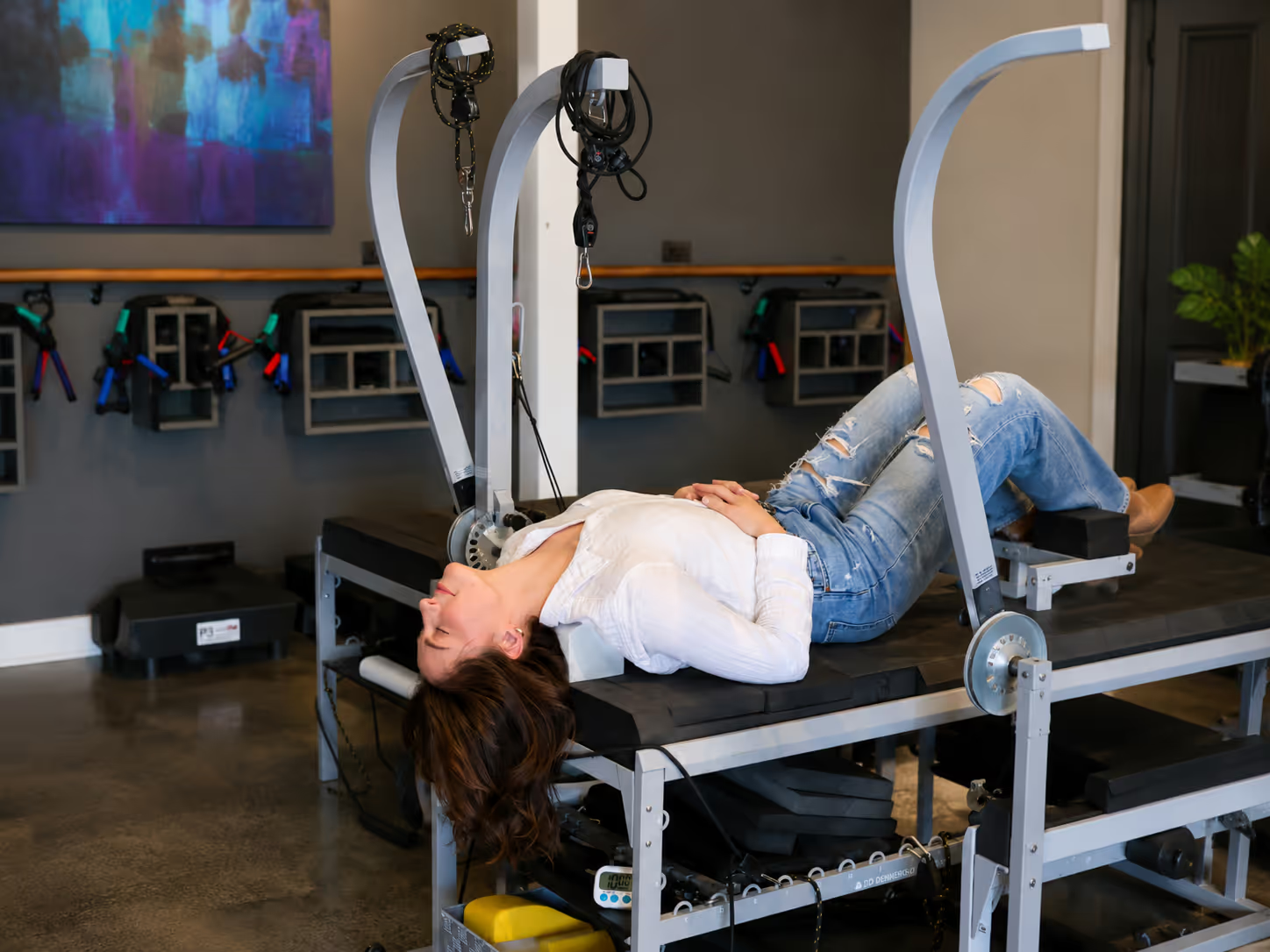
Sleep-related discomfort can affect anyone, but we often see it in people who spend long hours sitting at a desk, working on their feet, caring for young children, or dealing with ongoing neck and back pain.
If you regularly wake up feeling stiff, sore, or less rested than you should, it may be worth looking at whether physical stress and discomfort are playing a role in your sleep quality.
What Happens Next
If sleep-related discomfort has become part of your routine, the next step is figuring out why.
At Thrive Wellness Center, your visit starts with a consultation and examination to better understand what's contributing to your symptoms. From there, Dr. Ben and the team will walk you through their findings, answer your questions, and discuss whether chiropractic care may be a good fit for your situation.
The goal isn't to guess. It's to help you understand what's going on and what options are available to you.
Tired of Waking Up Tired?

A better night's sleep doesn't always come from a new mattress, a different pillow, or another sleep aid.
Sometimes the missing piece is understanding why your body isn't fully relaxing and recovering overnight.
At Thrive Wellness Center, Dr. Ben and the team focus on finding the source of the problem, not just the symptom. A thorough evaluation can help uncover what's contributing to the stiffness, tension, or discomfort that's getting in the way of quality rest.
Better answers often lead to better sleep.

Dr. Ben Ozanne
Chiropractor and Owner of Thrive Wellness Center
Latest from the Blog
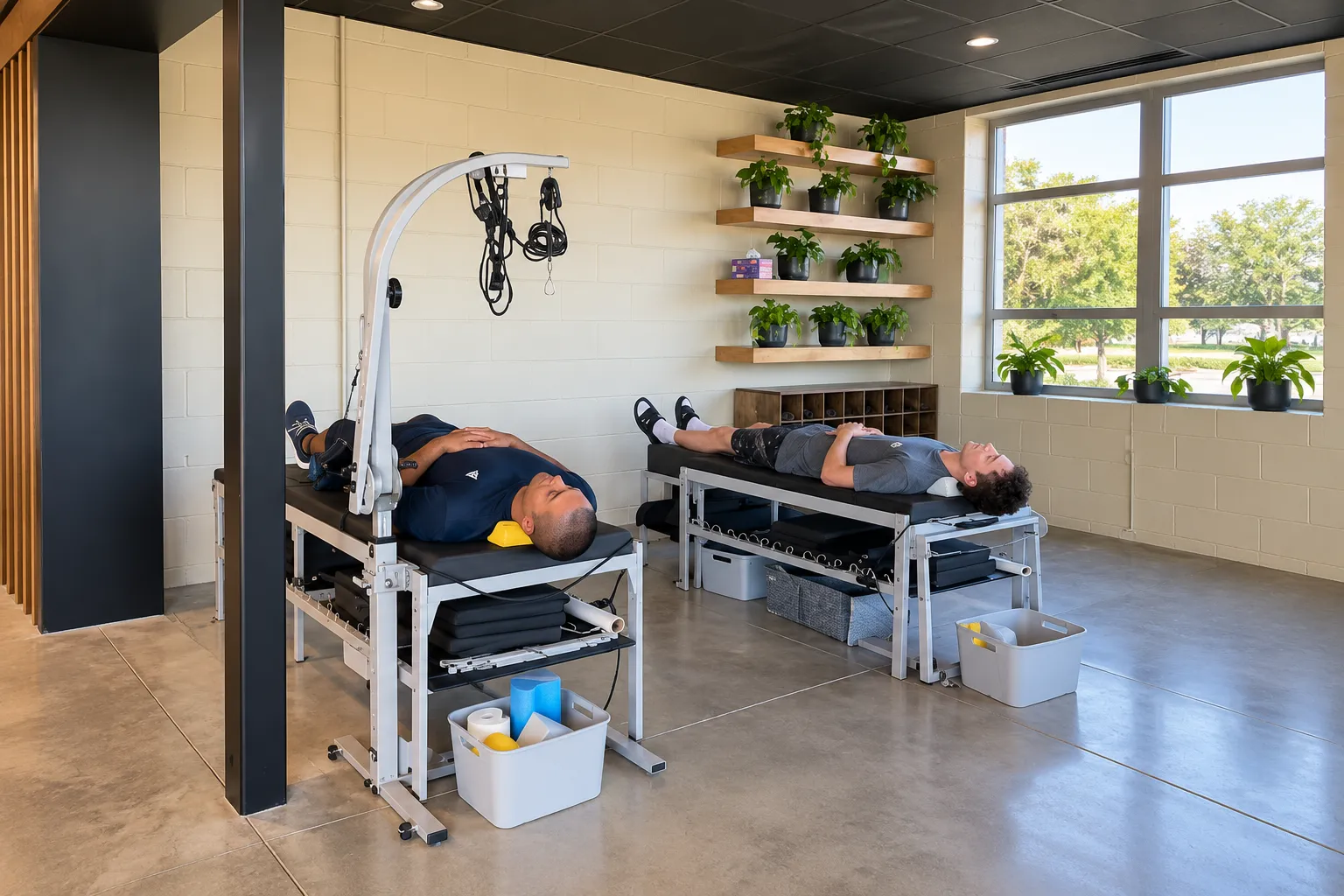
Can Chiropractic BioPhysics Help With Chronic Pain? Here's the Evidence
Chronic pain often returns because temporary relief doesn't fix the underlying structure. See what a six-year CBP case study found and how Thrive Wellness Center uses CBP for lasting correction in Fayetteville, AR.