Can Chiropractic BioPhysics Help With Chronic Pain? Here's the Evidence
September 23, 2026
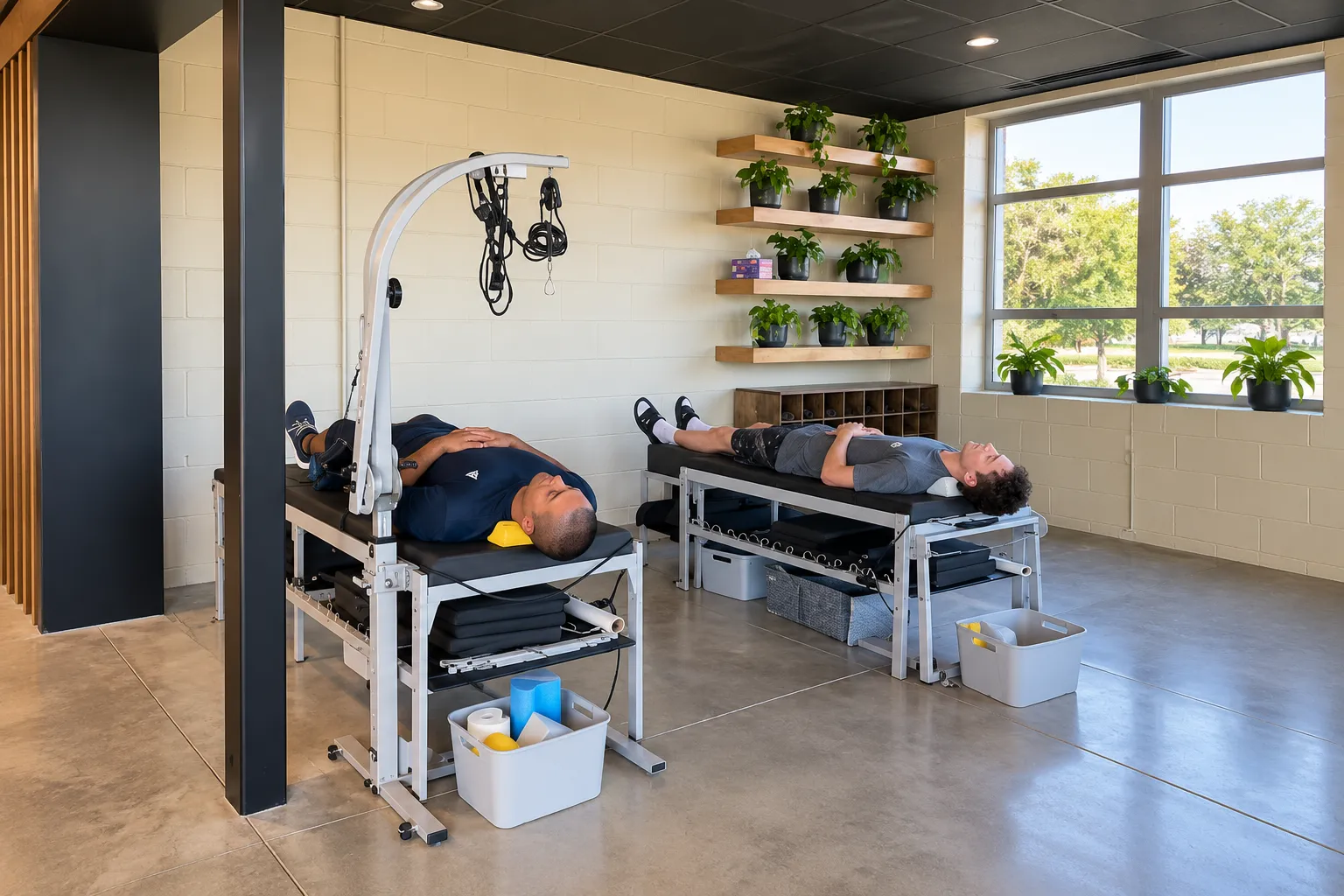
Six years is a long time to follow a patient after treatment. In a published Chiropractic BioPhysics (CBP) case report, that’s exactly what researchers did, documenting sustained pain reduction after structural correction.
That raises a bigger question: what happens when chronic pain is approached as a problem of structure, rather than something that simply needs to be calmed down?
That’s the idea behind CBP. Instead of focusing only on the painful area, it looks at spinal alignment and posture and how they may be contributing to ongoing strain. Everyday habits such as sitting for hours, spending time on a phone or laptop, or working at a poorly set-up desk can place uneven stress on the spine over time.
CBP aims to address that underlying structural issue rather than repeatedly treating the symptoms when they flare up.
Key Takeaways
- Chronic pain can have several contributing factors, including previous injuries, repetitive strain, and posture.
- Temporary relief doesn’t always mean the underlying problem has changed.
- CBP uses imaging and measurements to assess spinal alignment and track progress over time.
- Care can include adjustments, movement assessments, and lifestyle changes based on the individual.
- A six-year CBP case report documented sustained pain reduction following structural correction.
- Thrive Wellness Center combines CBP with services such as spinal decompression and functional rehabilitation.
Why Does Chronic Pain Keep Coming Back?
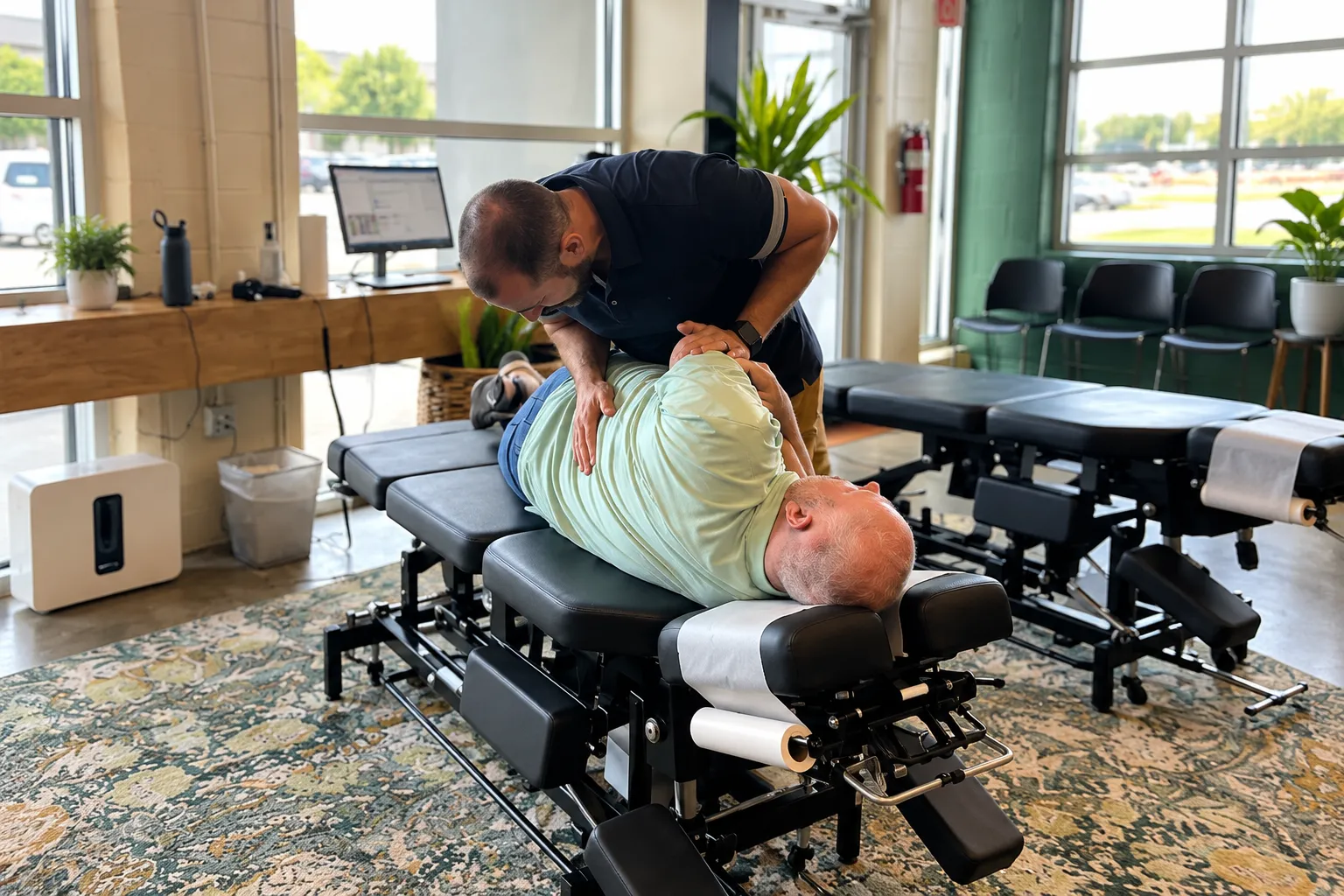
There’s a reason chronic back pain can feel like a revolving door. You get some relief, go back to your normal routine, and before long, the pain is back.
An old injury, repetitive strain, or years of poor posture can all play a part. Sitting at a desk for hours, looking down at your phone, or spending a lot of time driving can put uneven stress on the spine. The muscles and joints around it then have to compensate, which can leave them tight, irritated, and working harder than they should.
Massage, medication, and stretching can help you feel better, but that doesn't necessarily mean the reason for the pain has changed. If the same strain is still there, your body can fall back into the same pattern.
Why Does Stretching Only Help for a While?
Stretching feels good because it can release some of that built-up tension. But if the muscle is tightening because it’s constantly compensating for something else, stretching alone may not be enough to change the pattern.
It’s a bit like loosening a knot without changing what keeps pulling the rope tight. The knot may ease for a while, but the tension is still there.
Chiropractic Biophysics for pain relief looks at the spine, posture, and how the nervous system functions together. Rather than only focusing on where you hurt today, CBP looks at what may be contributing to the recurring strain.
What Does Research Show About CBP Relief?
There’s more to CBP than the idea of “straightening” the spine. Research on Chiropractic BioPhysics describes it as a structural approach that uses specific measurements to assess spinal alignment and track changes over time.
That matters because chronic pain isn’t always tied to one obvious injury. The way your spine is positioned and how your body compensates around it can also play a role. CBP focuses on those structural factors instead of looking only at where the pain happens to show up.
Why Does Spinal Alignment Matter for Pain?
Your spine doesn’t work in isolation. When its alignment changes, the muscles, joints, and nervous system around it have to adapt. Over time, those changes can contribute to tension and discomfort.
CBP uses measurements to look at those changes rather than relying on how the spine looks or feels in a single moment. At Thrive Wellness Center, that includes digital diagnostic tools that help measure spinal alignment and track progress over time.
Thrive also combines CBP postural correction with spinal decompression and functional rehabilitation, giving patients more than an adjustment alone. Our clinic uses certified CBP protocols and is among the few offices in Northwest Arkansas trained in this specific method.
How Is CBP Different From a Standard Chiropractic Adjustment?
An adjustment and structural correction aren't necessarily the same thing.
A standard chiropractic adjustment may focus on restoring movement to a joint during a particular visit. CBP takes a longer view. Imaging and other measurements are used to establish where the spine is now, identify the structural changes being targeted, and track progress as care continues.
For someone dealing with ongoing back or neck pain, that means there’s a measurable plan behind the care rather than simply adjusting the area that hurts that day.
What Does CBP Care Look Like in Practice?
CBP care starts with figuring out what’s actually going on, rather than assuming every person with back or neck pain needs the same treatment. At Thrive Wellness Center, digital X-rays, functional assessments, and lifestyle factors help build a picture of your spine, posture, and movement.
From there, the care plan is based on your structure and goals. That means your plan may look different from someone else’s, and it can change as your progress is measured.
What Happens During a CBP Care Plan?
A typical plan can include:
- Digital X-ray imaging to assess spinal alignment
- Functional movement assessments
- Chiropractic adjustments based on your individual structure
- Lifestyle guidance to support the changes you’re making
These pieces work together rather than treating your spine as if it exists on its own. The assessments show where you’re starting, the adjustments address the areas being targeted, and lifestyle changes can help support the work happening in the clinic.
What Can You Expect From Your First Visit?
For many patients, one of the most useful parts of the first visit is finally understanding what may be contributing to their pain. Instead of being told to simply rest or stretch, you can see what the assessment is looking at and why it matters.
Your care plan should make sense to you. At Thrive, the reasoning behind the imaging, adjustments, and other recommendations is explained so you know what each part of your care is meant to do.
Thrive Wellness Center is located in Fayetteville and serves patients throughout Northwest Arkansas who are looking for a better understanding of their pain and a plan based on what’s actually happening with their spine.
FAQ
What evidence supports Chiropractic BioPhysics for chronic pain?
There is published research on CBP, including a case report that followed a patient for six years after structural correction. The report documented sustained pain reduction during that follow-up period. That gives us a longer-term look at what happened after CBP care rather than only measuring whether someone felt better immediately after treatment.
Why does chronic pain return after stretching or massage?
Stretching and massage can help loosen tight, irritated muscles, but the relief may not last if the same strain is still affecting your body. Think about what happens when you spend hours at a desk or looking down at your phone every day. The muscles can settle down after treatment, but they may tighten up again when the same habits return.
Where can patients receive certified CBP treatment in Northwest Arkansas?
Thrive Wellness Center in Fayetteville offers certified CBP care alongside spinal decompression and functional rehabilitation. The practice is among the few offices in Northwest Arkansas trained in CBP, so patients in the area can access this specific approach without having to look outside the region.
Conclusion: What to Take Away About CBP and Chronic Pain
Chronic pain can be hard to make sense of, especially when the same treatments keep giving you only short-term relief. CBP takes a closer look at the relationship between your spine, posture, movement, and the way your body is compensating.
At Thrive Wellness Center, that starts with understanding what’s happening rather than assuming every patient needs the same plan. Imaging, functional assessments, and your individual goals help shape the care you receive, so you can understand what’s being addressed and why.
If chronic back or neck pain has been affecting how you move or get through your day, getting a clearer picture of what may be contributing to it can be a useful place to start. Thrive Wellness Center in Fayetteville works with patients across Northwest Arkansas using CBP alongside spinal decompression and functional rehabilitation.

Dr. Ben Ozanne
Chiropractor and Owner of Thrive Wellness Center